The Race to Reverse the River Backdrop Blur
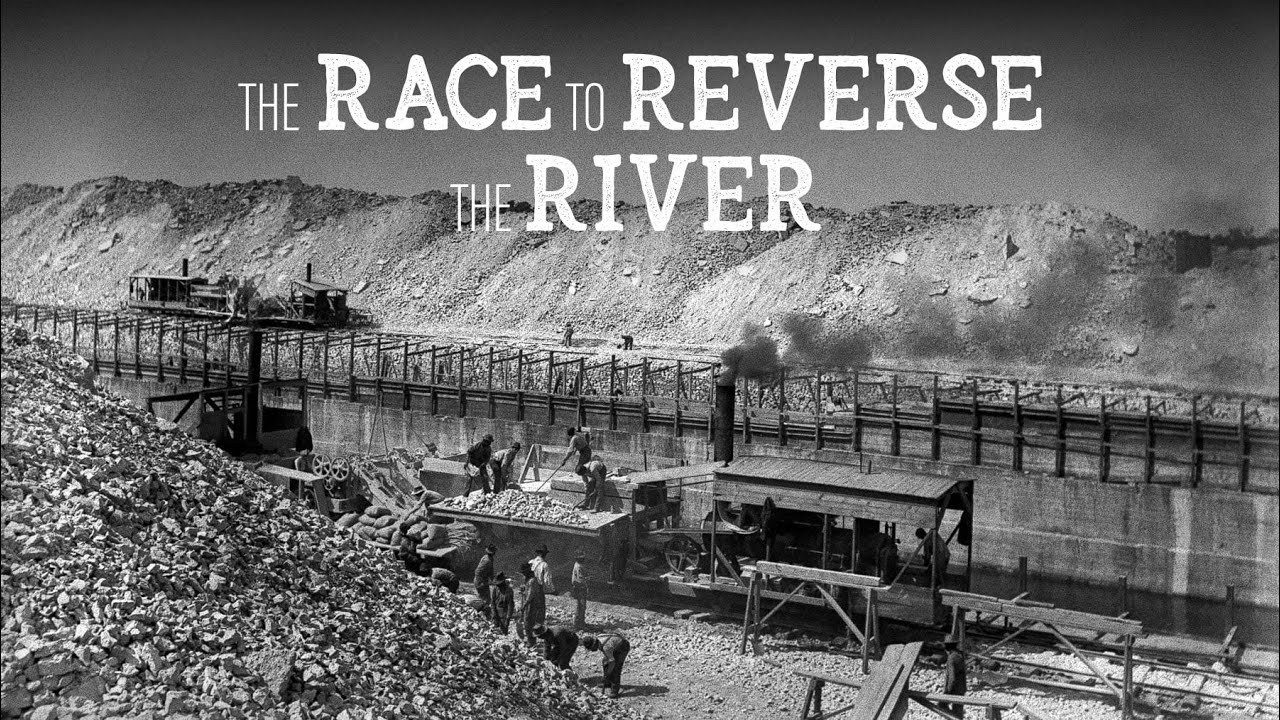
The Race to Reverse the River Poster

The Race to Reverse the River

"Amid a public health crisis, Chicago came up with a bold solution: reverse the river."

From the city’s earliest days, Chicago residents and businesses alike dumped waste into the Chicago River, which flowed into Lake Michigan, contaminating the city’s drinking water, causing widespread disease and death. To combat the problem and save the city, one bold solution was proposed: reversing the flow of the river away from the lake. Audio-narrated descriptions are available.
Top Cast

Overview

From the city’s earliest days, Chicago residents and businesses alike dumped waste into the Chicago River, which flowed into Lake Michigan, contaminating the city’s drinking water, causing widespread disease and death. To combat the problem and save the city, one bold solution was proposed: reversing the flow of the river away from the lake. Audio-narrated descriptions are available.
Related Movies

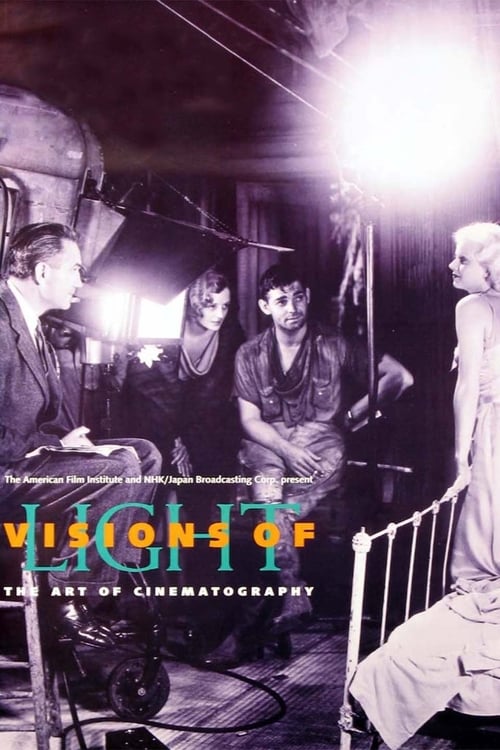
Visions of Light

Cameramen and women discuss the craft and art of cinematography and of the "DP" (the director of photography), illustrating their points with clips from 100 films, from Birth of a Nation to Do the Right Thing. Themes: the DP tells people where to look; changes in movies (the arrival of sound, color, and wide screens) required creative responses from DPs; and, these artisans constantly invent new equipment and try new things, with wonderful results. The narration takes us through the identifiable studio styles of the 30s, the emergence of noir, the New York look, and the impact of Europeans. Citizen Kane, The Conformist, and Gordon Willis get special attention.

Visions of Light

7.0 1992
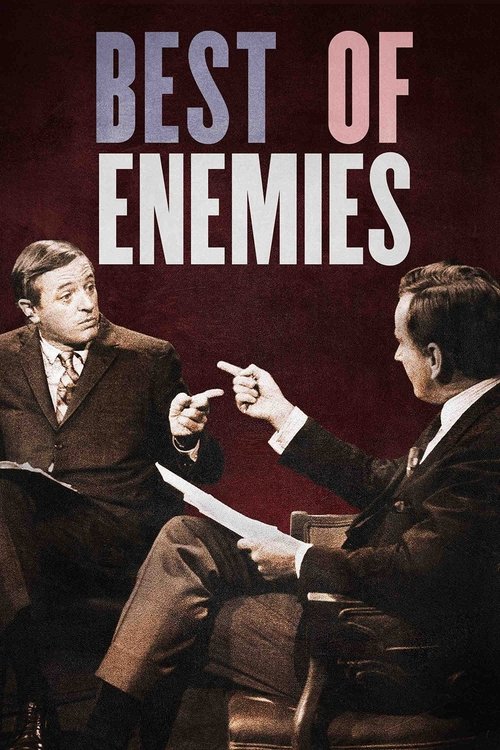
Best of Enemies

A documentary about the legendary series of nationally televised debates in 1968 between two great public intellectuals, the liberal Gore Vidal and the conservative William F. Buckley Jr. Intended as commentary on the issues of their day, these vitriolic and explosive encounters came to define the modern era of public discourse in the media, marking the big bang moment of our contemporary media landscape when spectacle trumped content and argument replaced substance. Best of Enemies delves into the entangled biographies of these two great thinkers, and luxuriates in the language and the theater of their debates, begging the question, "What has television done to the way we discuss politics in our democracy today?"

Best of Enemies

7.2 2015