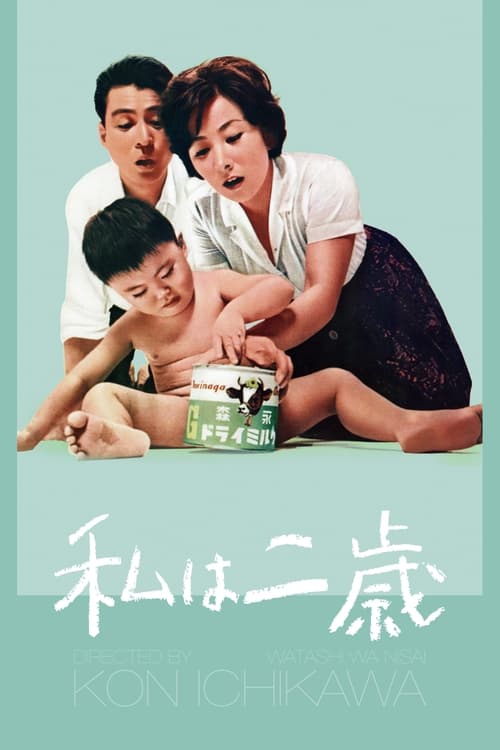
Being Two Isn't Easy
The days leading up to a toddler's second birthday are seen alternately from the child's point of view as well as that of his parents.
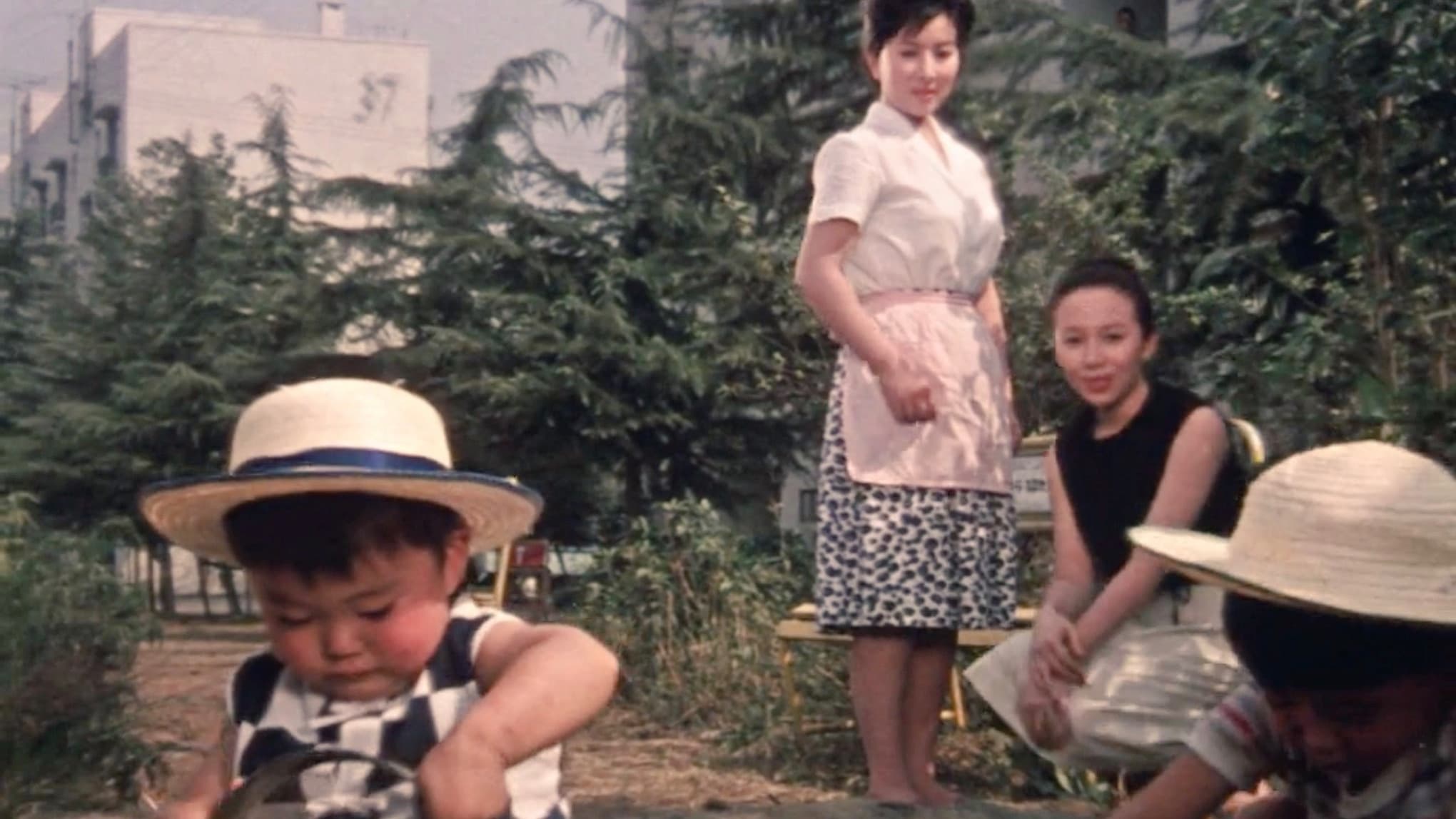
The days leading up to a toddler's second birthday are seen alternately from the child's point of view as well as that of his parents.
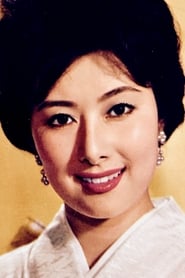
Fujiko Yamamoto
Chiyo

Hiroo Suzuki
Taro
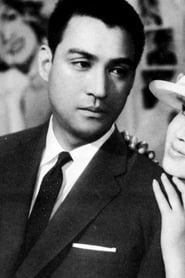
Eiji Funakoshi
Goro
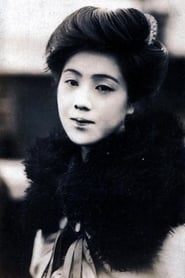
Kumeko Urabe
Ino
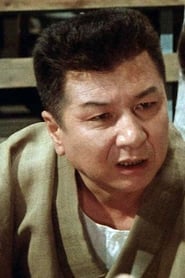
Mantarō Ushio
Laundry Man
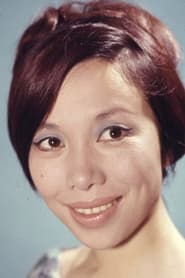
Kyôko Kishida
Chiyo's Friend

Misako Watanabe
Setsuko
Masako Kyōzuka
Chiyo's sister

Shirō Ōtsuji
Doctor
The days leading up to a toddler's second birthday are seen alternately from the child's point of view as well as that of his parents.
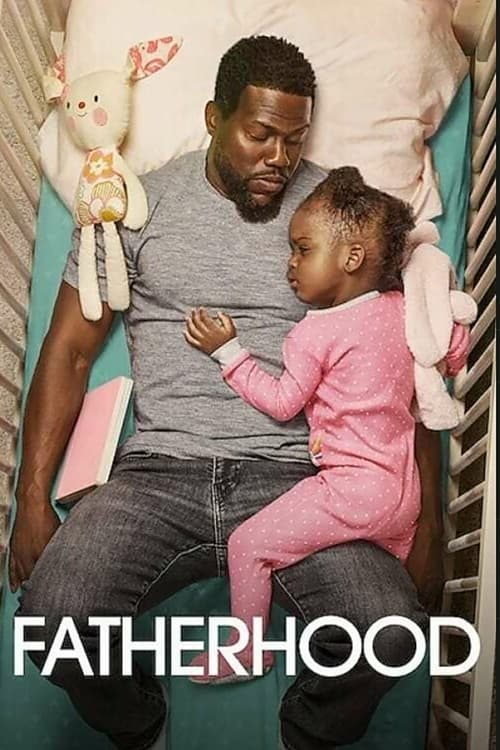
A widowed new dad copes with doubts, fears, heartache and dirty diapers as he sets out to raise his daughter on his own. Inspired by a true story.

Daikichi learns that his recently deceased grandfather has an illegitimate daughter with an unknown mother. The girl's name is Rin and she is just 6 years old. Everybody in Daikichi's family looks at the girl as an embarrassment and wants no part of her. Daikichi, annoyed by his family's attitude, decides to raise Rin by himself. Even though Daikichi himself has no experience raising a child and is still single.
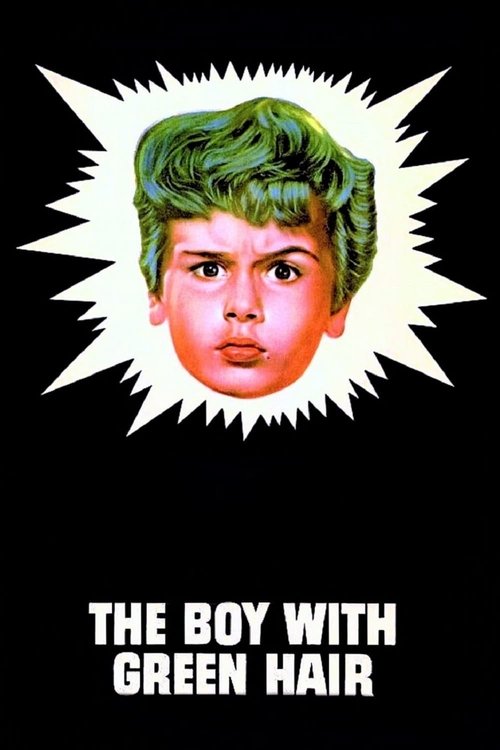
Peter, an orphaned boy, is adopted by Gramp Frye after his parents are killed in Europe while doing war relief work. The boy feels safe with his new caretaker, but when he is taunted for being an orphan, he gets demoralized. The next day Peter wakes up with green hair. Embarrassed and further ridiculed, Peter seeks solace in a nearby forest. To his surprise, he finds other orphans in the woods, who encourage him to spread news of the injustices of war.
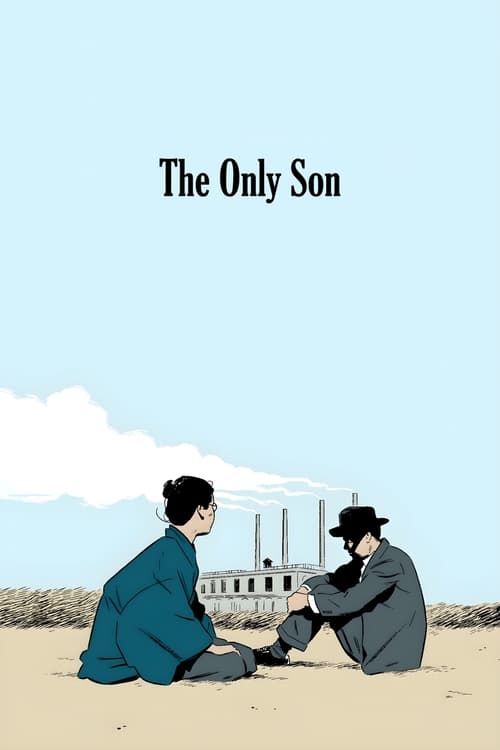
A silk factory worker is persuaded to support her son's education up to a college level despite their poverty. Many years later, she travels to Tokyo to visit her son.
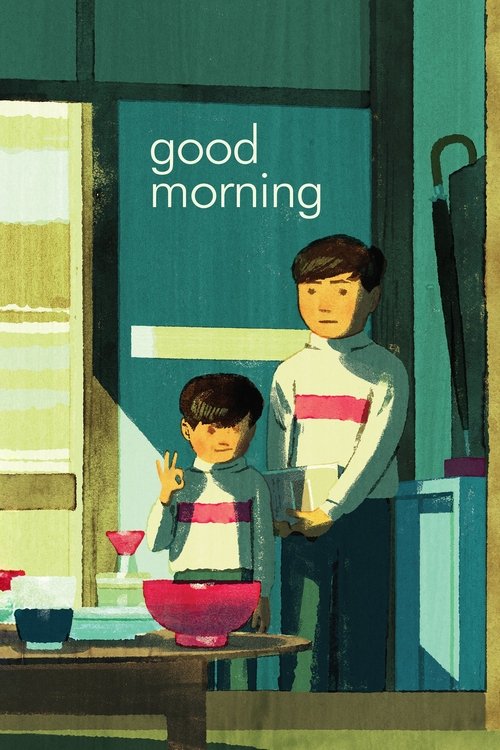
A lighthearted take on director Yasujiro Ozu’s perennial theme of the challenges of intergenerational relationships, Good Morning tells the story of two young boys who stop speaking in protest after their parents refuse to buy a television set. Ozu weaves a wealth of subtle gags through a family portrait as rich as those of his dramatic films, mocking the foibles of the adult world through the eyes of his child protagonists. Shot in stunning color and set in a suburb of Tokyo where housewives gossip about the neighbors’ new washing machine and unemployed husbands look for work as door-to-door salesmen, this charming comedy refashions Ozu’s own silent classic I Was Born, But . . . to gently satirize consumerism in postwar Japan.
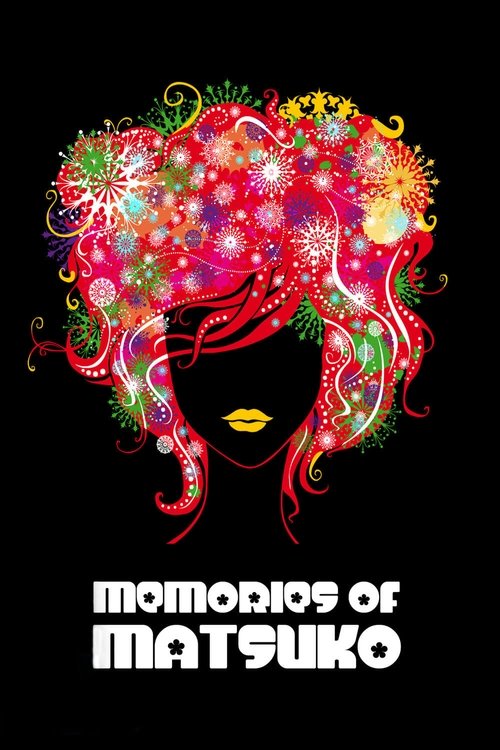
While combing through the belongings of his recently deceased aunt, Matsuko, nephew Sho pieces together the crucial events that sank Matsuko's life into a despairing tragedy.
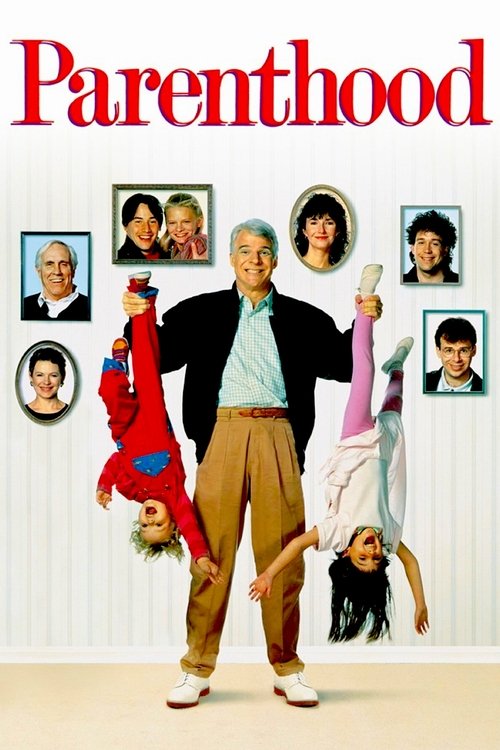
The story of the Buckman family and friends, attempting to bring up their children. They suffer/enjoy all the events that occur: estranged relatives, the 'black sheep' of the family, the eccentrics, the skeletons in the closet, and the rebellious teenagers.
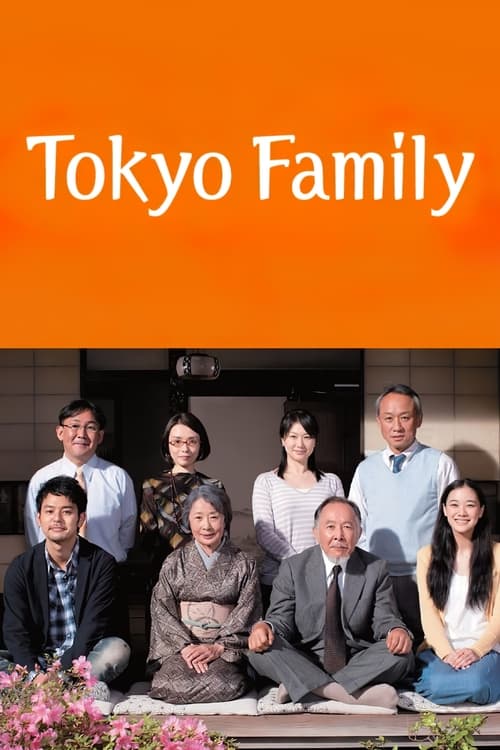
An elderly couple journey to Tokyo to visit their grown children, only to find them preoccupied and self-involved.