Piccolo film decomposto Backdrop Blur
Piccolo film decomposto Poster
5.0 0h 15m

Piccolo film decomposto

This extremely short film is dedicated to chronophotography, which—as is well known—is the prelude to cinema. As with one of my earlier films dedicated to Muybridge (The Naked Killer, 1982), this one was excavated from books and catalogues, that is, from typographic ink. I tried, in a certain sense, to reanimate the inanimable as does the photographer Duane Michals, having only, sometimes, three or four frames. I found older stroboscopic technology as well as more contemporary flicker effects to be very helpful here and there. I attempted to realize the cinematic identification of Skladanowksy with Avedon; contaminations, precisely, between creators of films and creators of photography, contemporary or not. It is surprising to see Michals, a contemporary photographer, bearing such a strong cinematographic resemblance to Londe, the proto-filmmaker. I hope, at least, to have told the story of their direct commingling, as if by a single secret author.
Top Cast

Overview

This extremely short film is dedicated to chronophotography, which—as is well known—is the prelude to cinema. As with one of my earlier films dedicated to Muybridge (The Naked Killer, 1982), this one was excavated from books and catalogues, that is, from typographic ink. I tried, in a certain sense, to reanimate the inanimable as does the photographer Duane Michals, having only, sometimes, three or four frames. I found older stroboscopic technology as well as more contemporary flicker effects to be very helpful here and there. I attempted to realize the cinematic identification of Skladanowksy with Avedon; contaminations, precisely, between creators of films and creators of photography, contemporary or not. It is surprising to see Michals, a contemporary photographer, bearing such a strong cinematographic resemblance to Londe, the proto-filmmaker. I hope, at least, to have told the story of their direct commingling, as if by a single secret author.

Related Movies

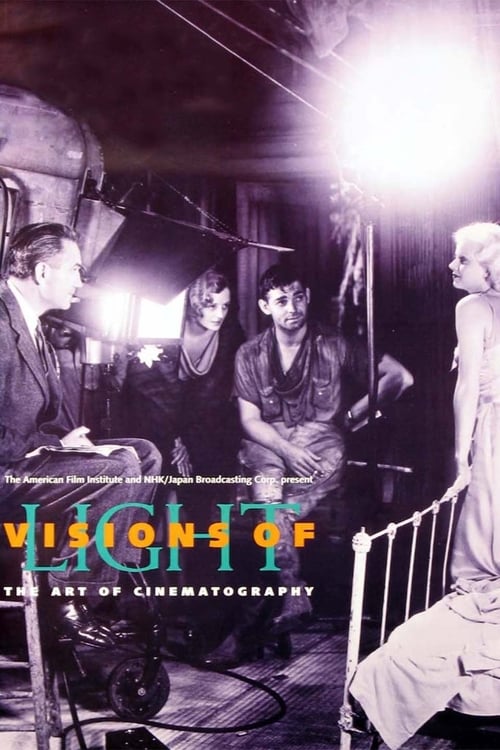
Visions of Light

Cameramen and women discuss the craft and art of cinematography and of the "DP" (the director of photography), illustrating their points with clips from 100 films, from Birth of a Nation to Do the Right Thing. Themes: the DP tells people where to look; changes in movies (the arrival of sound, color, and wide screens) required creative responses from DPs; and, these artisans constantly invent new equipment and try new things, with wonderful results. The narration takes us through the identifiable studio styles of the 30s, the emergence of noir, the New York look, and the impact of Europeans. Citizen Kane, The Conformist, and Gordon Willis get special attention.

Visions of Light

7.0 1992