Anniversary of the Revolution
A chronicle of the Russian Revolution of 1917, from the bourgeois democratic February Revolution to the great socialist October Revolution and the final triumph.
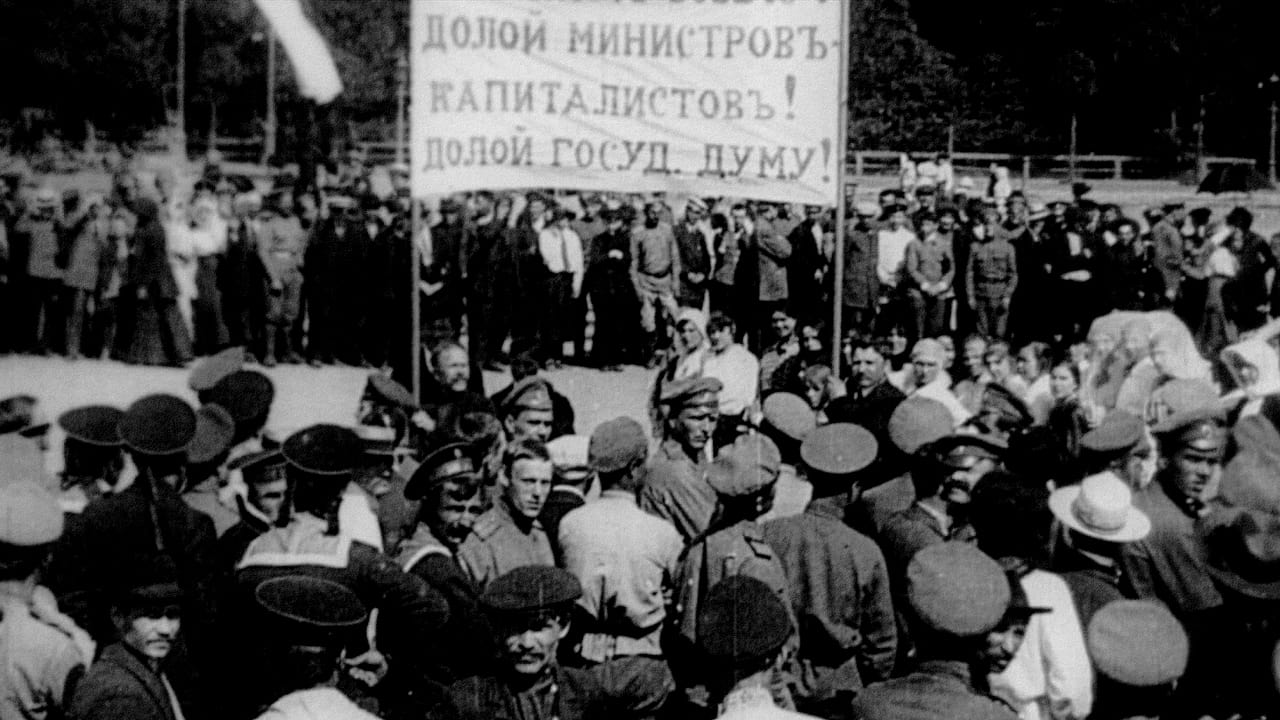
A chronicle of the Russian Revolution of 1917, from the bourgeois democratic February Revolution to the great socialist October Revolution and the final triumph.

Vladimir Purishkevich
Self - Politician
Alexander Kerensky
Self - Politician
Mikhail Rodzianko
Self - Politician
Alexander Guchkov
Self - Politician
Nikolai V. Nekrasov
Self - Politician
Mikhail Stakhovich
Self - Politician
Ivan N. Efremov
Self - Politician
G. A. Yakubovich
Self - Politician
Andrei Manuilov
Self - Politician
A chronicle of the Russian Revolution of 1917, from the bourgeois democratic February Revolution to the great socialist October Revolution and the final triumph.
A former Imperial Russian general and cousin of the Czar ends up in Hollywood as an extra in a movie directed by a former revolutionary.
An account of the revolutionary years of the legendary American journalist John Reed, who shared his adventurous professional life with his radical commitment to the socialist revolution in Russia, his dream of spreading its principles among the members of the American working class, and his troubled romantic relationship with the writer Louise Bryant.
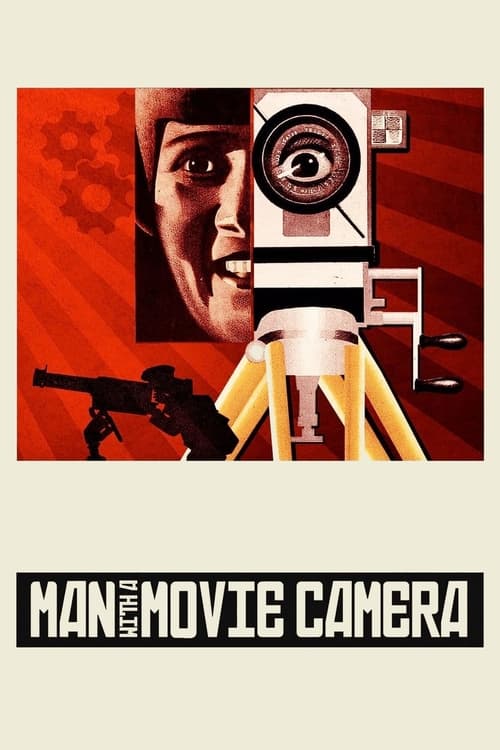
A cameraman wanders around with a camera slung over his shoulder, documenting urban life with dazzling inventiveness.
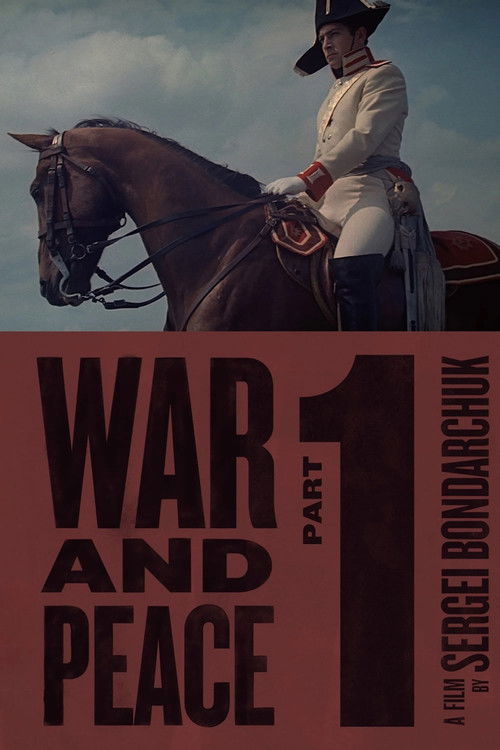
In 1805 St. Petersburg, Pierre Bezukhov, illegitimate son of a rich nobleman, is introduced to high society. His friend, Prince Andrei Bolkonsky, joins the Imperial Russian Army as aide-de-camp of General Mikhail Kutuzov in the War of the Third Coalition against General Napoleon Bonaparte. Part one of the four-part adaptation of Leo Tolstoy's 1869 novel.
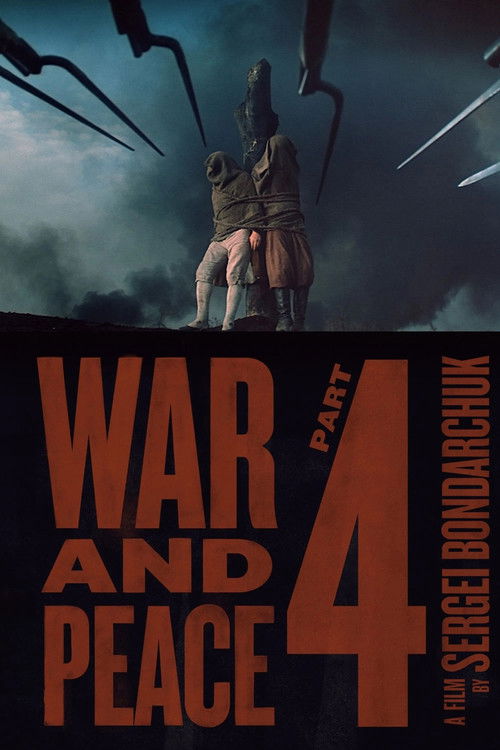
As Moscow is set ablaze by the retreating Russians, the Rostovs flee their estate, taking wounded soldiers with them, and unbeknownst to them, also Andrei. Pierre, dressed as a peasant, tries to assassinate Napoleon but is taken prisoner. As the French are forced to retreat, he's marched for months with the Grande Armée, until being freed by a raiding party. Part four of the four-part adaptation of Leo Tolstoy's 1869 novel.
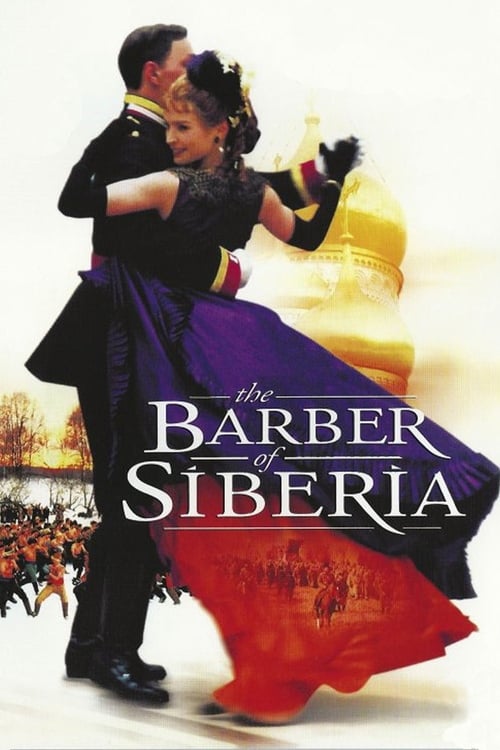
Douglas is a foreign entrepreneur, who ventures to Russia in 1885 with dreams of selling a new, experimental steam-driven timber harvester in the wilds of Siberia. Jane is his assistant. On her travels, she meets two men who would change her life forever: a handsome young cadet Andrej Tolstoy with whom she shares a fondness for opera, and the powerful General Radlov who is entranced by her beauty and wants to marry her.
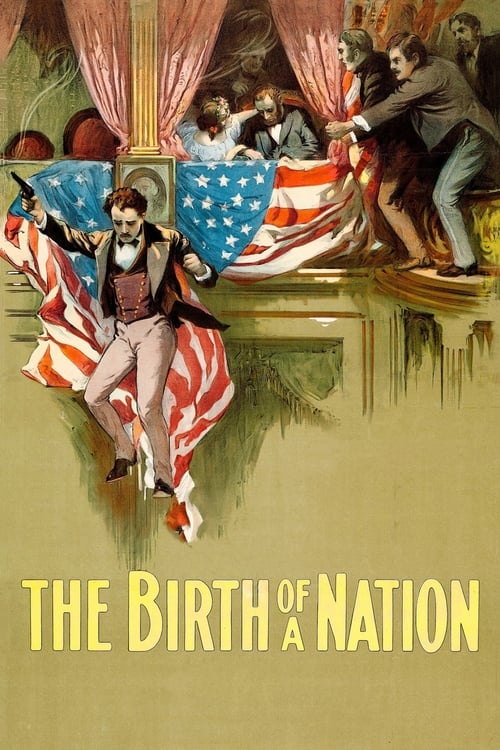
Two families, abolitionist Northerners the Stonemans and Southern landowners the Camerons, intertwine. When Confederate colonel Ben Cameron is captured in battle, nurse Elsie Stoneman petitions for his pardon. In Reconstruction-era South Carolina, Cameron founds the Ku Klux Klan, battling Elsie's congressman father and his African-American protégé, Silas Lynch.

When Allied forces liberated the Nazi concentration camps in 1944-45, their terrible discoveries were recorded by army and newsreel cameramen, revealing for the first time the full horror of what had happened. Making use of British, Soviet and American footage, the Ministry of Information’s Sidney Bernstein (later founder of Granada Television) aimed to create a documentary that would provide lasting, undeniable evidence of the Nazis’ unspeakable crimes. He commissioned a wealth of British talent, including editor Stewart McAllister, writer and future cabinet minister Richard Crossman – and, as treatment advisor, his friend Alfred Hitchcock. Yet, despite initial support from the British and US Governments, the film was shelved, and only now, 70 years on, has it been restored and completed by Imperial War Museums under its original title "German Concentration Camps Factual Survey".
