Amor Backdrop Blur
Amor Poster

Amor

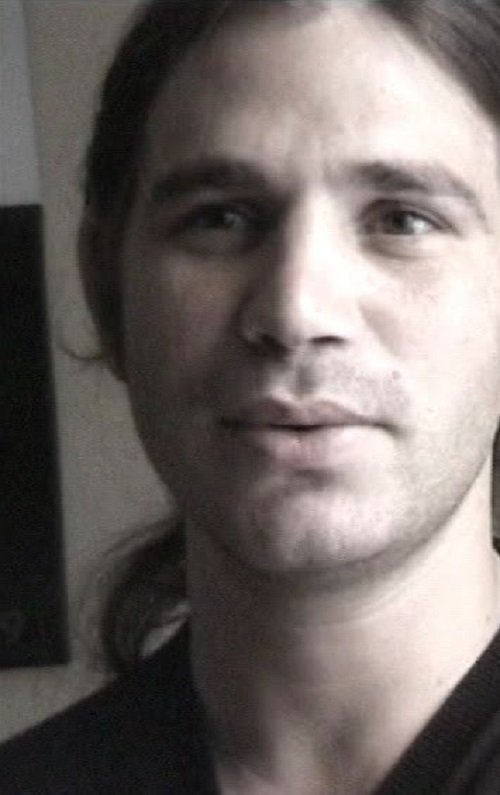
The most original aspect of Escartín, which gives his work a radical character, is a certain Olympian indifference to opinions conceived a priori as correct and his willingness to get to the bottom of things. That is why a short film with the curious title Amor (Love) is so important. It consists of an interview with a young former Israeli soldier, recorded in a single afternoon, in which the subject declares that it is necessary to achieve peace with the Palestinians after all the hatred and wounds of war. The soldier's speech has something innocent and conventional about it, but there is a dark side, where it is clear that he does not want to talk about his personal experience in the conflict, and he refers to something called kill rush, an addiction that one acquires when one has started killing.
Top Cast

Overview

The most original aspect of Escartín, which gives his work a radical character, is a certain Olympian indifference to opinions conceived a priori as correct and his willingness to get to the bottom of things. That is why a short film with the curious title Amor (Love) is so important. It consists of an interview with a young former Israeli soldier, recorded in a single afternoon, in which the subject declares that it is necessary to achieve peace with the Palestinians after all the hatred and wounds of war. The soldier's speech has something innocent and conventional about it, but there is a dark side, where it is clear that he does not want to talk about his personal experience in the conflict, and he refers to something called kill rush, an addiction that one acquires when one has started killing.
Related Movies

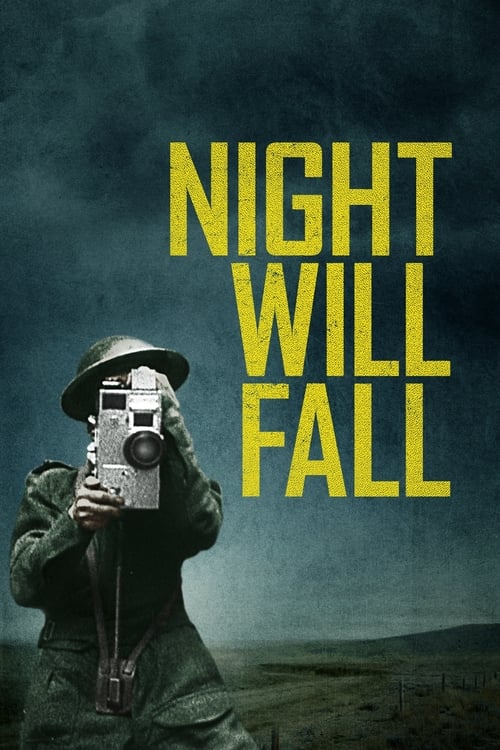
Night Will Fall

When Allied forces liberated the Nazi concentration camps in 1944-45, their terrible discoveries were recorded by army and newsreel cameramen, revealing for the first time the full horror of what had happened. Making use of British, Soviet and American footage, the Ministry of Information’s Sidney Bernstein (later founder of Granada Television) aimed to create a documentary that would provide lasting, undeniable evidence of the Nazis’ unspeakable crimes. He commissioned a wealth of British talent, including editor Stewart McAllister, writer and future cabinet minister Richard Crossman – and, as treatment advisor, his friend Alfred Hitchcock. Yet, despite initial support from the British and US Governments, the film was shelved, and only now, 70 years on, has it been restored and completed by Imperial War Museums under its original title "German Concentration Camps Factual Survey".

Night Will Fall

7.6 2014