Top Cast
-

Christine Gagnieux
Narrator (voice)
-
Charles de Gaulle
Self (archive footage)
-

Michel Droit
Self (archive footage)
-
Winston Churchill
Self (archive footage)
-

Pierre Boisson
Self (archive footage)
-

Philippe Pétain
Self (archive footage)
-
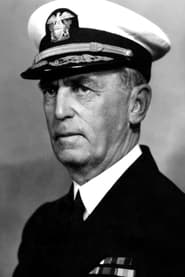
William D. Leahy
Self (archive footage)
-
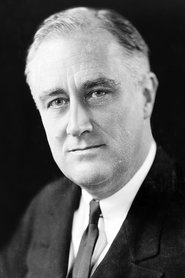
Franklin D. Roosevelt
Self (archive footage)
-

Émile Muselier
Self (archive footage)
Overview
Related Movies
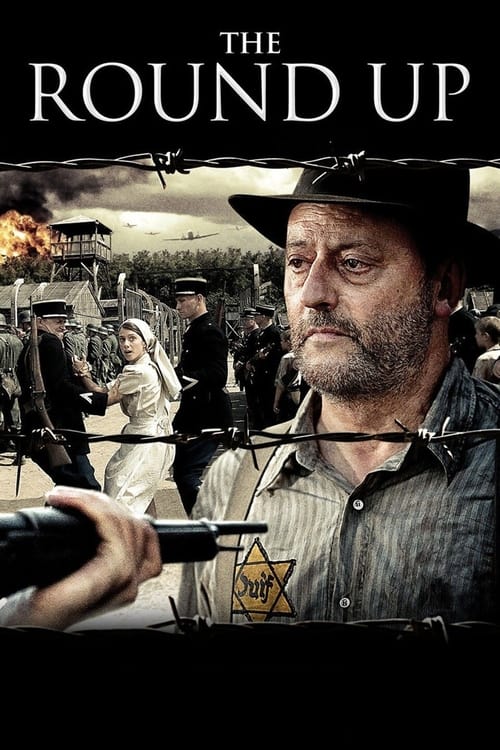
A faithful retelling of the 1942 "Vel' d'Hiv Roundup" and the events surrounding it.
The Round Up
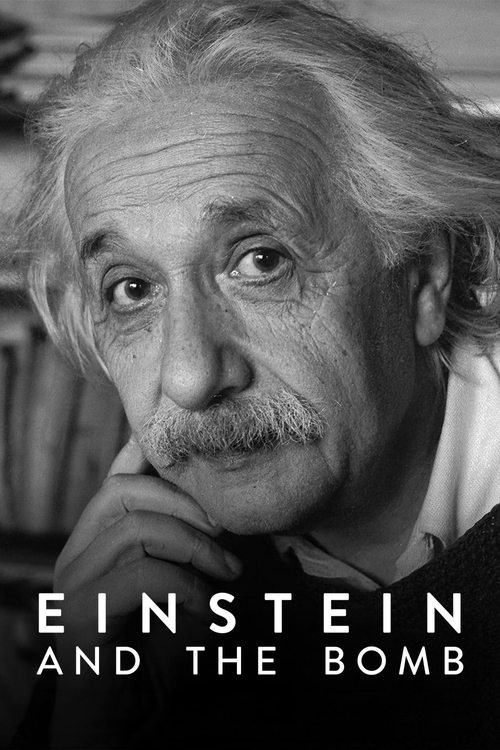
What happened after Einstein fled Nazi Germany? Using archival footage and his own words, this docudrama dives into the mind of a tortured genius.
Einstein and the Bomb

In the Warsaw ghetto in 1943, Jews rise against the Nazis.
Uprising
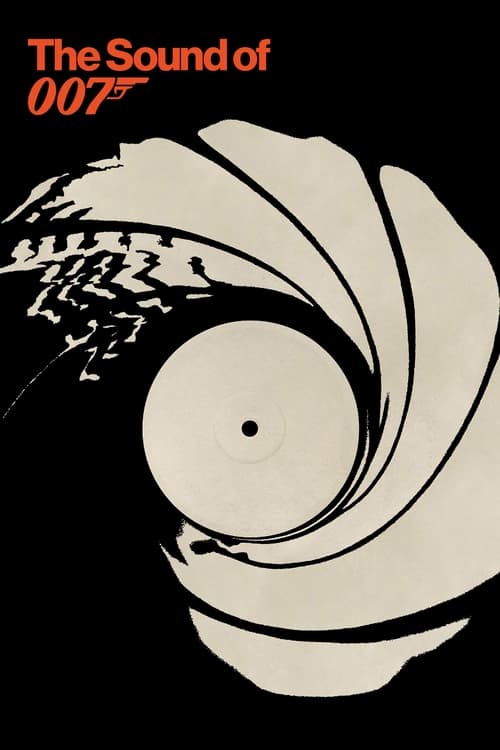
Pull back the curtain on the remarkable history of six decades of James Bond music, from Sean Connery’s Dr No through to Daniel Craig’s final outing in No Time to Die.
The Sound of 007
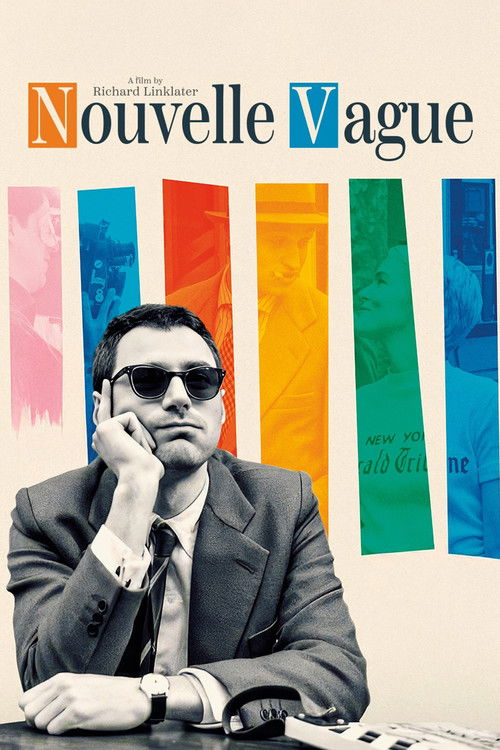
After writing for Cahiers du cinéma, a young Jean-Luc Godard decides making films is the best film criticism. He convinces producer Georges de Beauregard to fund a low-budget feature, and creates a treatment with fellow New Wave filmmaker François Truffaut about a gangster couple. The result? Breathless, one of the first features of the Nouvelle Vague era of French cinema.
Nouvelle Vague
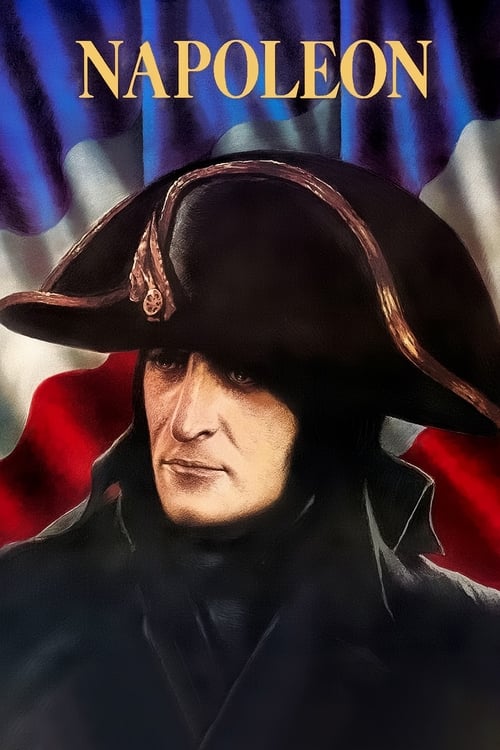
A biopic of Napoleon Bonaparte, tracing the Corsican's career from his schooldays (where a snowball fight is staged like a military campaign) to his flight from Corsica, through the French Revolution (where a real storm is intercut with a political storm) and the Terror, culminating in his triumphant invasion of Italy in 1797.
Napoleon
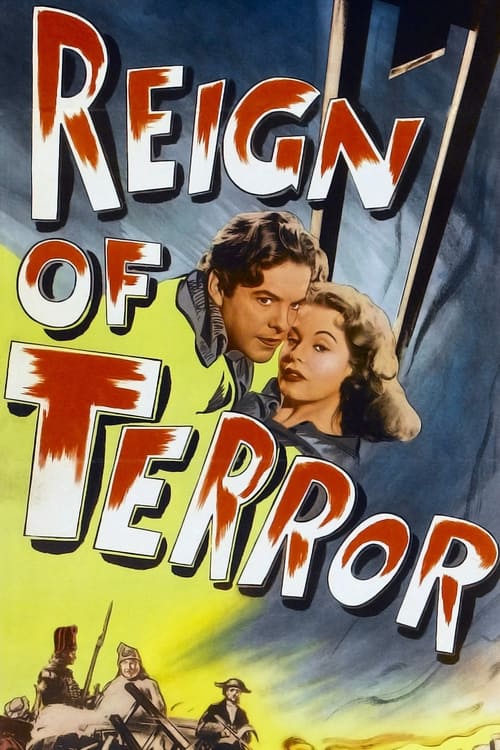
The French Revolution, 1794. The Marquis de Lafayette asks Charles D'Aubigny to infiltrate the Jacobin Party to overthrow Maximilian Robespierre, who, after gaining supreme power and establishing a reign of terror ruled by death, now intends to become the dictator of France.
Reign of Terror
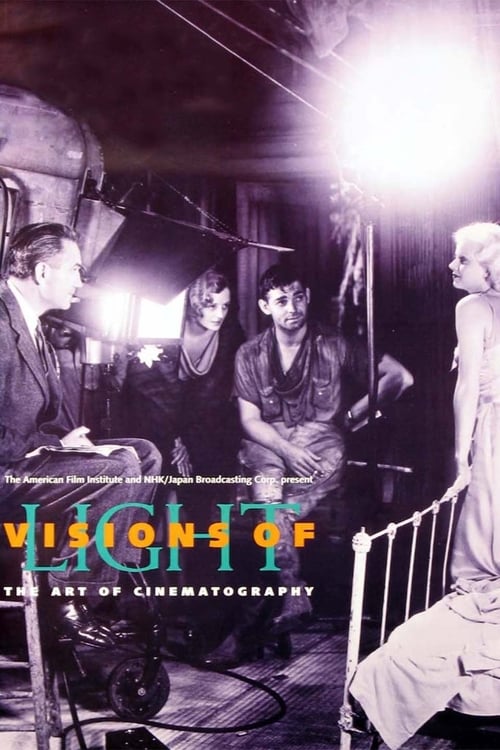
Cameramen and women discuss the craft and art of cinematography and of the "DP" (the director of photography), illustrating their points with clips from 100 films, from Birth of a Nation to Do the Right Thing. Themes: the DP tells people where to look; changes in movies (the arrival of sound, color, and wide screens) required creative responses from DPs; and, these artisans constantly invent new equipment and try new things, with wonderful results. The narration takes us through the identifiable studio styles of the 30s, the emergence of noir, the New York look, and the impact of Europeans. Citizen Kane, The Conformist, and Gordon Willis get special attention.