
VE Day: The Lost Films
Eyewitness accounts and cine films from 1945.
Eyewitness accounts and cine films from 1945.
Eyewitness accounts and cine films from 1945.
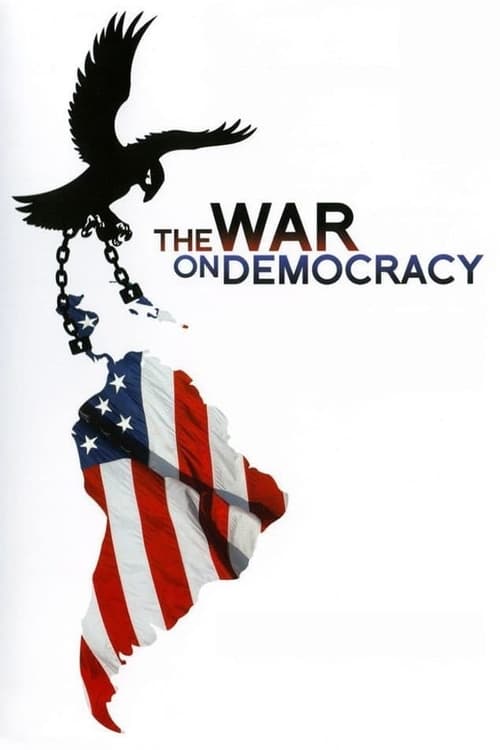
Set both in Latin America and the United States, the film explores the historic and current relationship of Washington with countries such as Venezuela, Bolivia and Chile. Pilger says that the film "...tells a universal story... analysing and revealing, through vivid testimony, the story of great power behind its venerable myths. It allows us to understand the true nature of the so-called "war on terror". According to Pilger, the film’s message is that the greed and power of empire is not invincible and that people power is always the "seed beneath the snow".
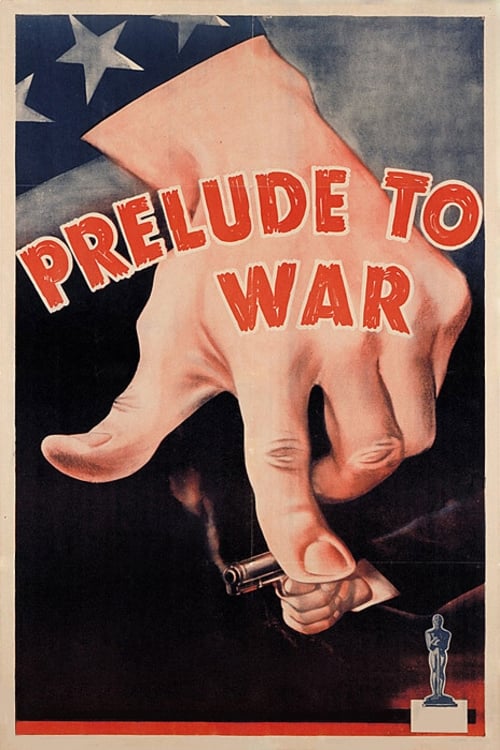
Prelude to War was the first film of Frank Capra's Why We Fight propaganda film series, commissioned by the Pentagon and George C. Marshall. It was made to convince American troops of the necessity of combating the Axis Powers during World War II. This film examines the differences between democratic and fascist states.

Fr. Hugh O'Flaherty is a Vatican official in 1943-45 who has been hiding downed pilots, escaped prisoners of war, and Italian resistance families. His activities become so large that the Nazis decide to assassinate him the next time he leaves the Vatican.
The history of cinematic sound, told by legendary sound designers and visionary filmmakers.
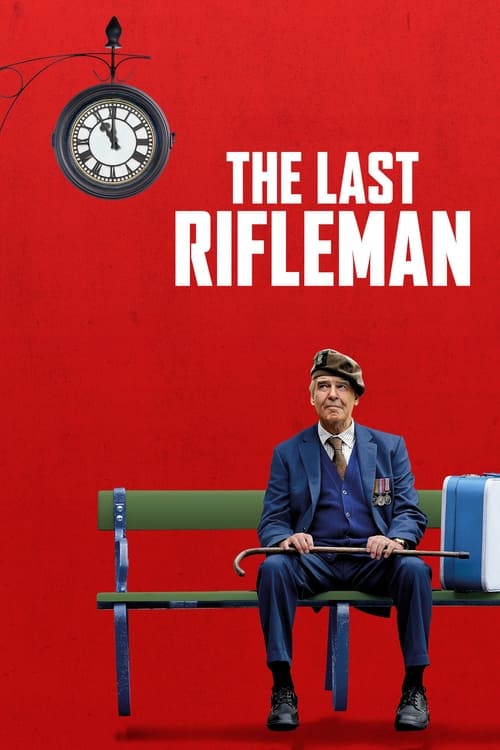
A WWII veteran escapes his care home in Northern Ireland and embarks on an arduous but inspirational journey to France to attend the 75th anniversary of the D-Day landings, finding the courage to face the ghosts of his past.
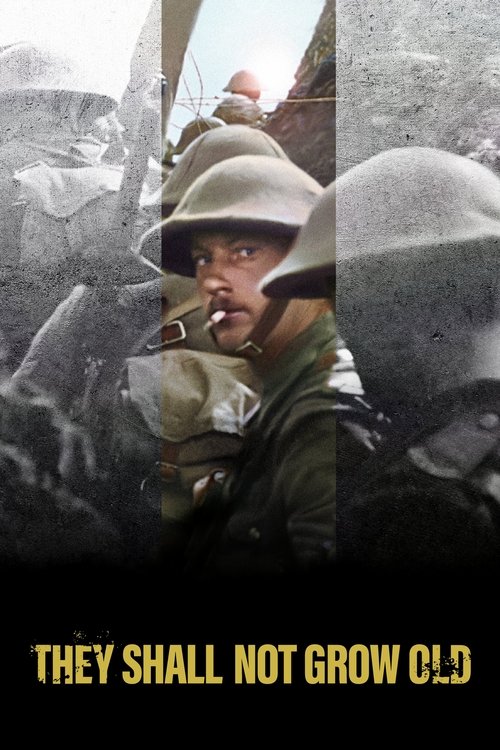
A documentary about World War I with never-before-seen footage to commemorate the centennial of Armistice Day, and the end of the war.
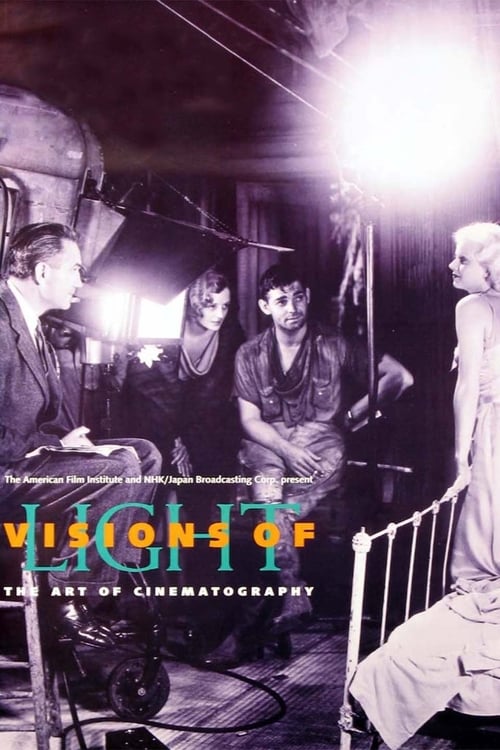
Cameramen and women discuss the craft and art of cinematography and of the "DP" (the director of photography), illustrating their points with clips from 100 films, from Birth of a Nation to Do the Right Thing. Themes: the DP tells people where to look; changes in movies (the arrival of sound, color, and wide screens) required creative responses from DPs; and, these artisans constantly invent new equipment and try new things, with wonderful results. The narration takes us through the identifiable studio styles of the 30s, the emergence of noir, the New York look, and the impact of Europeans. Citizen Kane, The Conformist, and Gordon Willis get special attention.
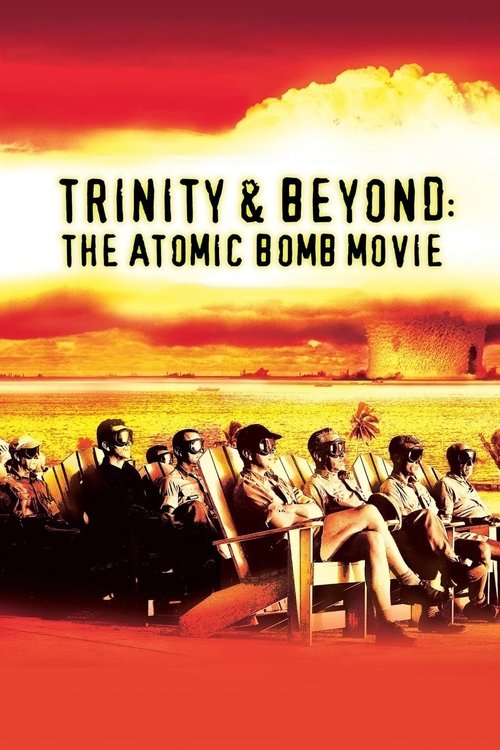
"Trinity and Beyond" is an unsettling yet visually fascinating documentary presenting the history of nuclear weapons development and testing between 1945-1963. Narrated by William Shatner and featuring an original score performed by the Moscow Symphony Orchestra, this award-winning documentary reveals previously unreleased and classified government footage from several countries.