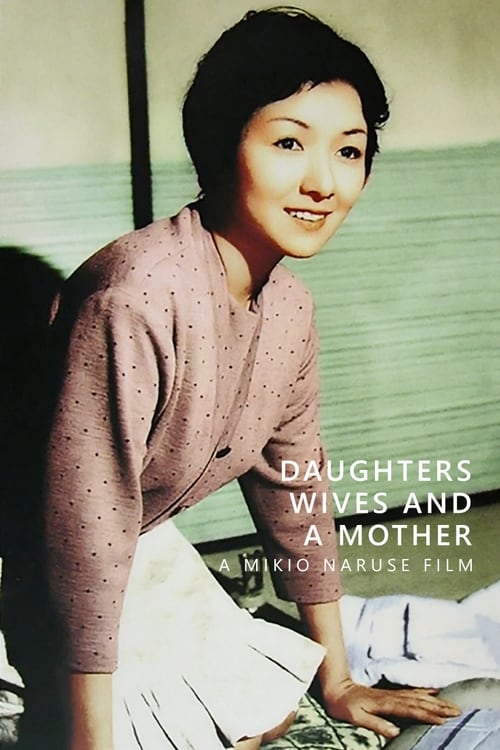
Daughters, Wives and a Mother
Sanae is left a widow after her prestigious husband dies, but holds the proceeds of a million yen insurance policy. Being childless, her former in-laws have no objection to her return to her own family.
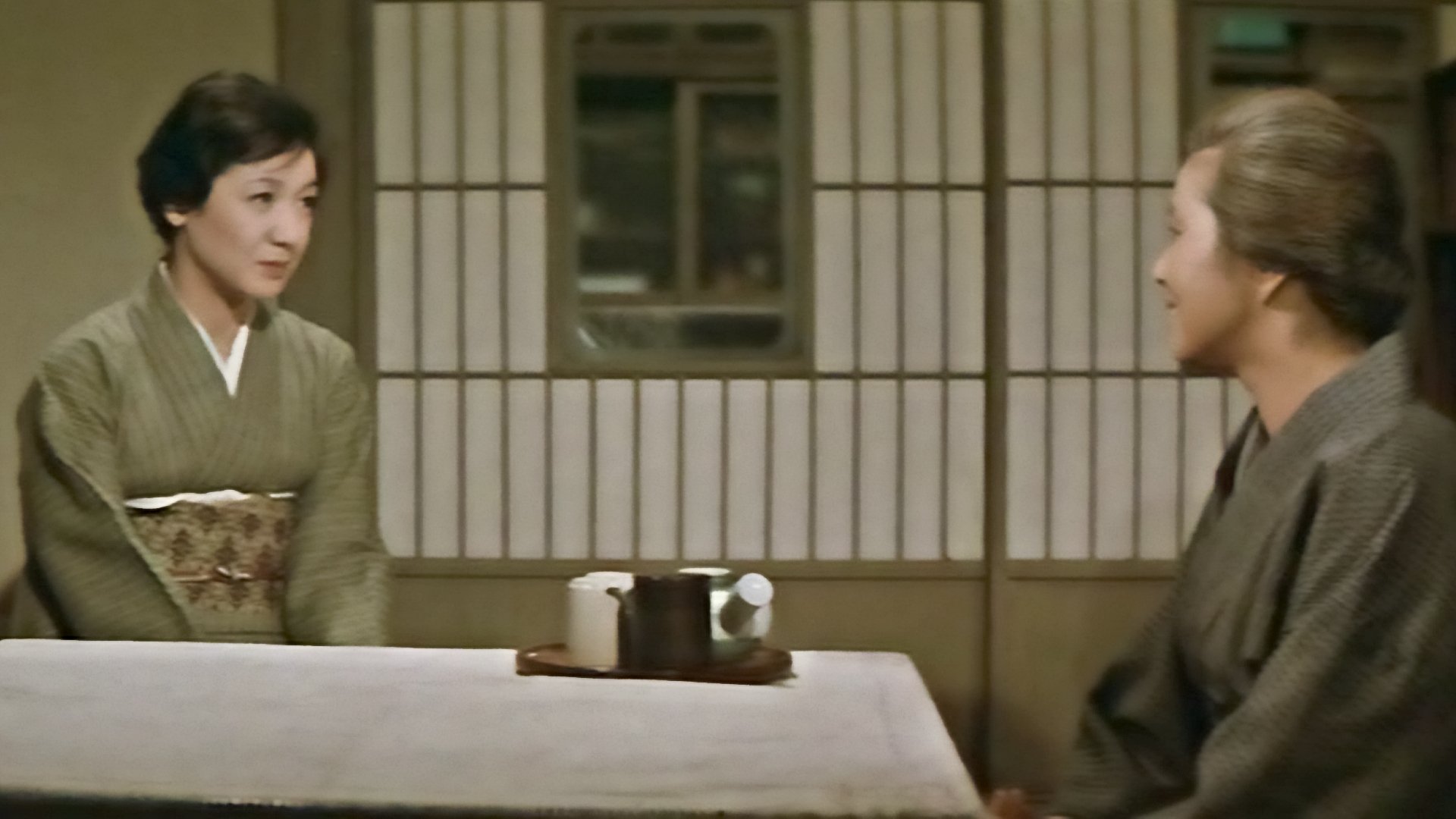
Sanae is left a widow after her prestigious husband dies, but holds the proceeds of a million yen insurance policy. Being childless, her former in-laws have no objection to her return to her own family.

Setsuko Hara
Sanae Soga
Hideko Takamine
Kazuko Sakanishi, Yuichiro's wife
Tatsuya Nakadai
Kuroki Shingo

Masayuki Mori
Yuichiro Sakanishi

Akira Takarada
Reiji Sakanishi

Mitsuko Kusabue
Kaoru Tani

Reiko Dan
Haruko Sakanishi
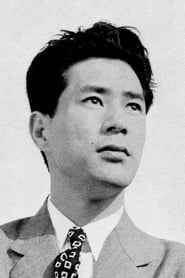
Hiroshi Koizumi
Hidetaka Tani

Keiko Awaji
Mie Sakanishi
Sanae is left a widow after her prestigious husband dies, but holds the proceeds of a million yen insurance policy. Being childless, her former in-laws have no objection to her return to her own family.

Shuhei Hirayama is a widower with a 24-year-old daughter. Gradually, he comes to realize that she should not be obliged to look after him for the rest of his life, so he arranges a marriage for her.
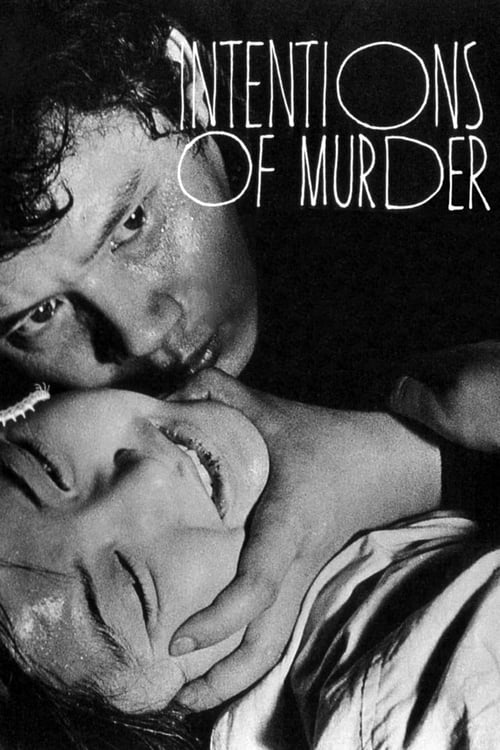
The neglected common-law wife of a Japanese librarian is repeatedly harassed by a young man with a heart condition who seduces her with the prospect of a better life.

Ryota is an unpopular writer although he won a literary award 15 years ago. Now, Ryota works as a private detective. He is divorced from his ex-wife Kyoko and he has an 11-year-old son Shingo. His mother Yoshiko lives alone at her apartment. One day, Ryota, his ex-wife Kyoko, and son Shingo gather at Yoshiko's apartment. A typhoon passes and the family must stay there all night long.
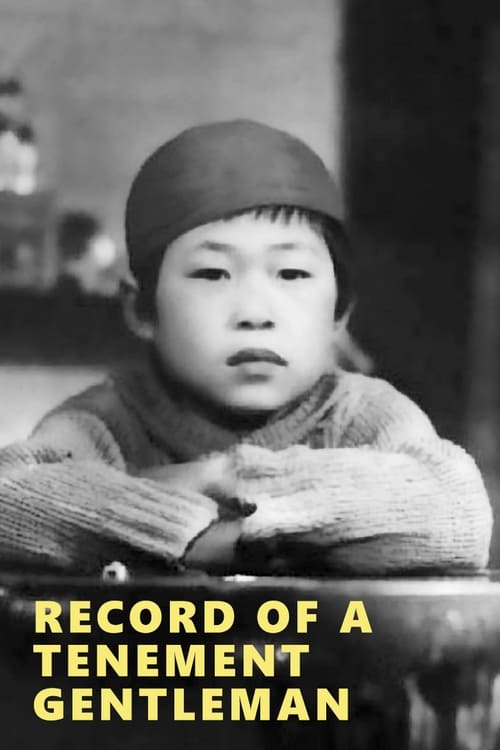
An errant salaryman's son gets lost until a man from the Tokyo tenements brings him to vendor Tane, who's reluctant to let the kid board.

A 28-year-old single woman is pressured to marry.
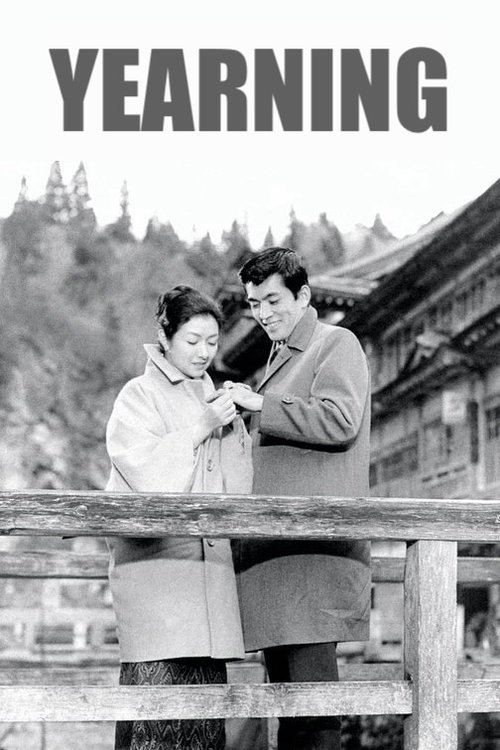
War widow Reiko rebuilds and runs the grocery shop in the house of her husband's family. Many years later, their business is threatened by a newly built supermarket and Reiko's in-laws plan to convert their small shop into a supermarket, to her detriment.

Subu makes pornographic films. He sees nothing wrong with it. They are an aid to a repressed society, and he uses the money to support his landlady, Haru, and her family. From time to time, Haru shares her bed with Subu, though she believes her dead husband, reincarnated as a carp, disapproves. Director Shohei Imamura has always delighted in the kinky exploits of lowlifes, and in this 1966 classic, he finds subversive humor in the bizarre dynamics of Haru, her Oedipal son, and her daughter, the true object of her pornographer-boyfriend’s obsession. Imamura’s comic treatment of such taboos as voyeurism and incest sparked controversy when the film was released, but The Pornographers has outlasted its critics, and now seems frankly ahead of its time.

Depicts the life of a family in a remote Japanese timber village. Family head Tahara Kozo lives with his mother Sachiko, wife Yasuyo, nephew Eisuke and young daughter Michiru. Economic recession and failed development plans cause tragedy in the family.
