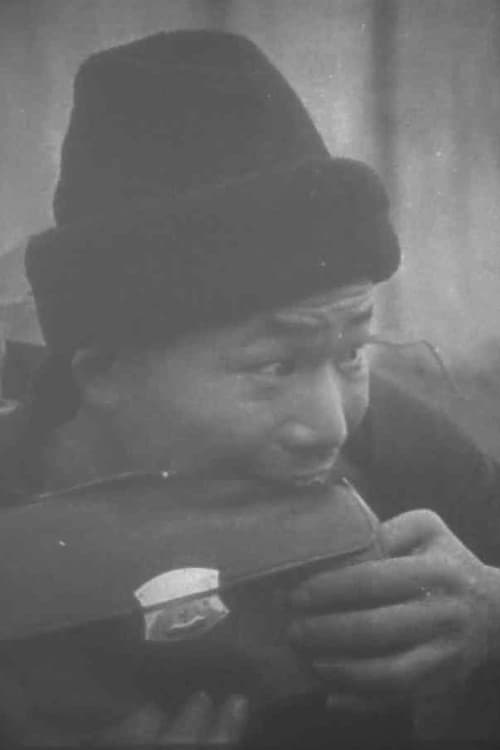
There is No Poverty at the End of Labor
The oldest remaining film in Korea sets in the 1920s for enlightenment

The oldest remaining film in Korea sets in the 1920s for enlightenment

Soon-bong Park
Bok-geol Park
Won-bo Kim
Hyo-wan Song
The oldest remaining film in Korea sets in the 1920s for enlightenment
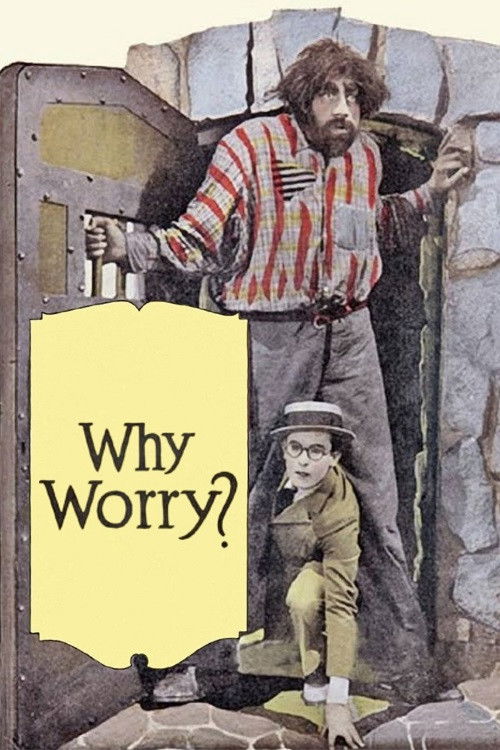
A hypochondriac vacations in the tropics for the fresh air - and finds himself in the middle of a revolution instead.
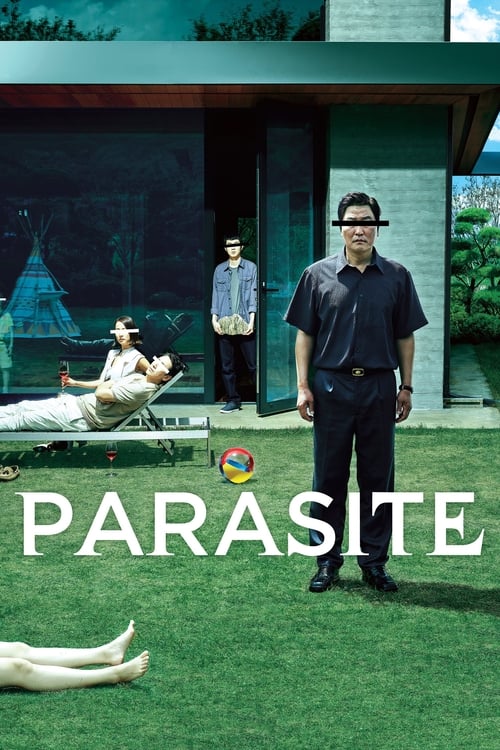
All unemployed, Ki-taek's family takes peculiar interest in the wealthy and glamorous Parks for their livelihood until they get entangled in an unexpected incident.
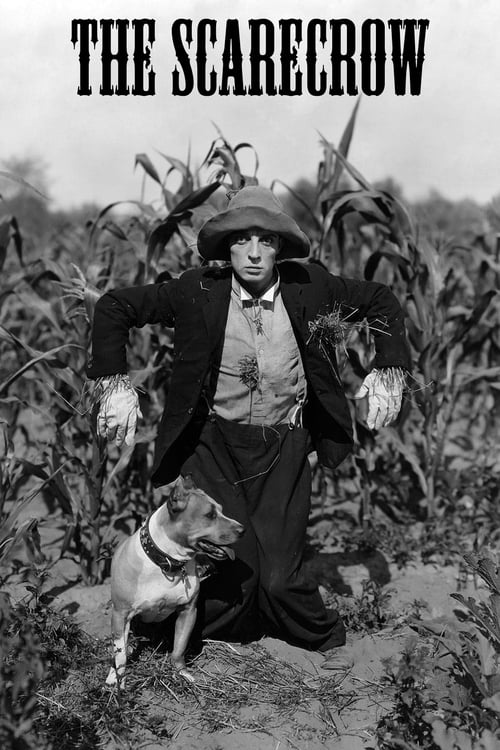
Two farmhands compete for the love of the farmer's daughter.

The hero, a janitor played by Chaplin, is fired from work for accidentally knocking his bucket of water out the window and onto his boss the chief banker (Tandy). Meanwhile, one of the junior managers (Dillon) is being threatened with exposure by his bookie for gambling debts unpaid. Thus the manager decides to steal from the company.

A gutsy crew of Joseon pirates and bandits battle stormy waters, puzzling clues and militant rivals in search of royal gold lost at sea.

Buster clowns around in a blacksmith's shop until he and the smithy get in a fight which sends the smithy to jail. Buster helps several customers with horses, then destroys a Rolls Royce while fixing the car parked next to it.
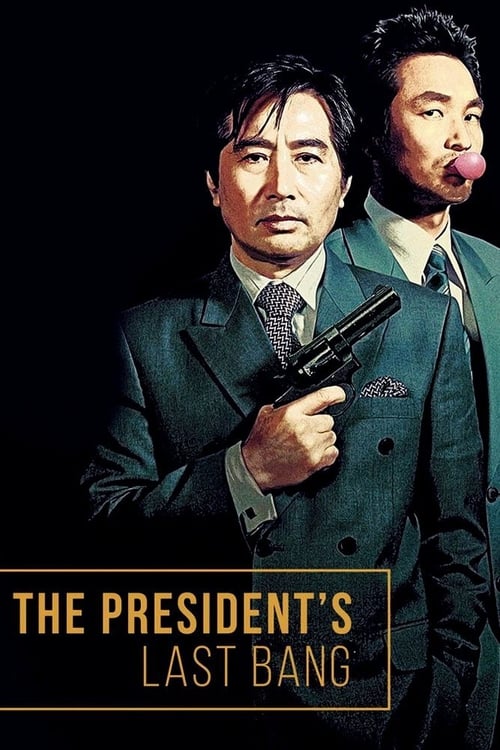
On October 26, 1979, President Park Chung-hee, who had ruled South Korea since 1961, was assassinated by his director of intelligence. The film depicts the events of that night.
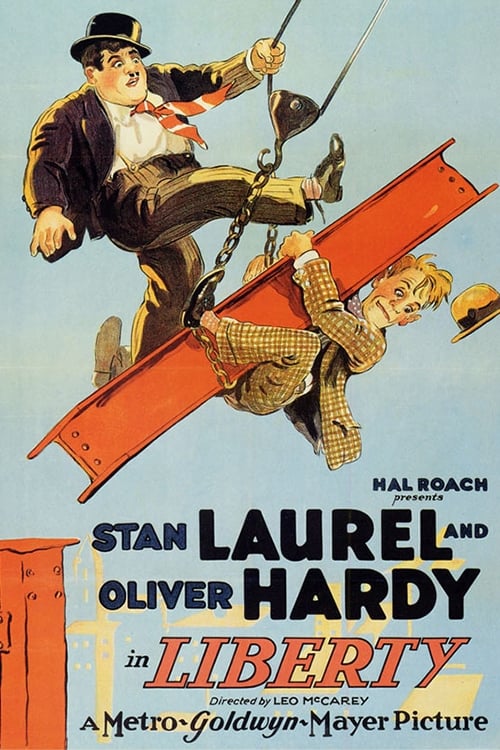
While changing clothes in a getaway car, escaped convicts Stan and Ollie mistakenly put on each other's pants. They spend the rest of the film trying to exchange pants in various unlikely settings.