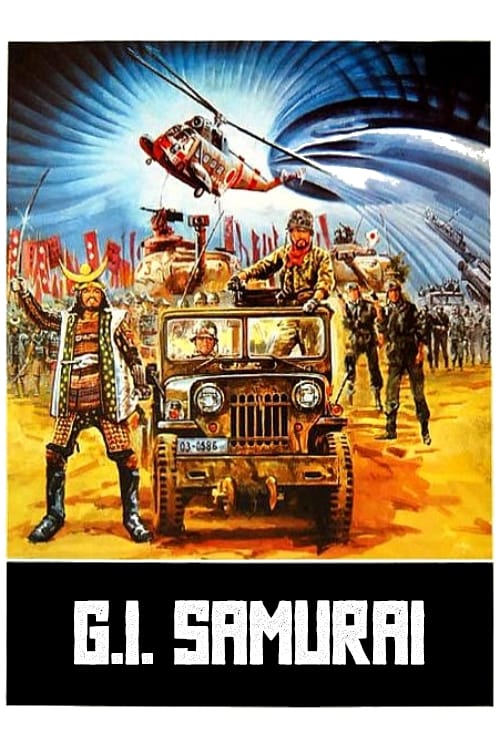
A squadron of Japanese Self-Defense Force soldiers find themselves transported through time to their country's warring states era, when rival samurai clans were battling to become the supreme Shogun.
G.I. Samurai
5.9 1979
28 Matches Found
A squadron of Japanese Self-Defense Force soldiers find themselves transported through time to their country's warring states era, when rival samurai clans were battling to become the supreme Shogun.
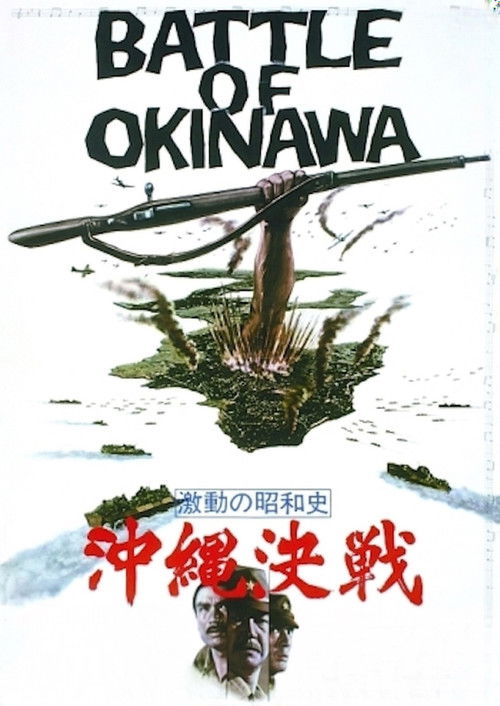
The Americans are swiftly closing on Okinawa, an island just south of the Japanese mainland. The Imperial command sends top generals and several army divisions to defend it at all costs. The mission quickly degenerates as vital resources and troops are diverted to other islands. After a civilian evacuation ends in tragedy most of non-combatants are forced to remain on the island. Many convert to soldier status. Tokyo sends mixed messages that squander time and resources, as when they order the defenders to build an airstrip for aircraft that never come. The truth soon becomes obvious: the high command decides that the island cannot be held and effectively abandons the Okinawan defenders. When the Americans land many troops are deployed in the wrong places. As the slaughter mounts, a suicidal attitude takes hold. Okinawa becomes a death trap, for civilian volunteers and non-combatants as well.
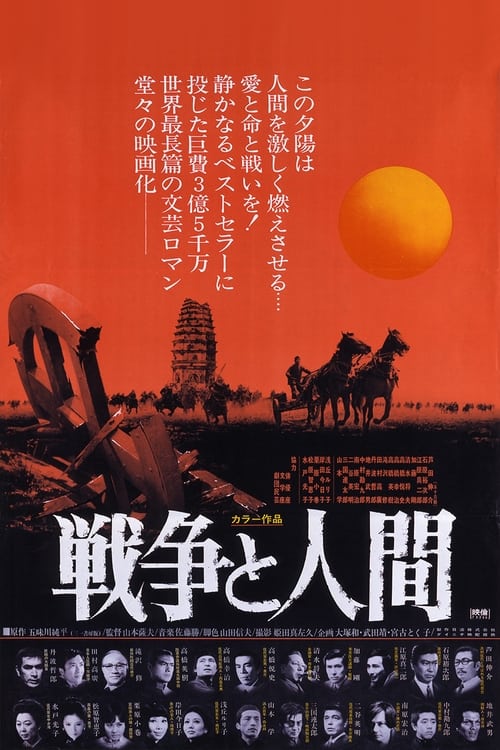
The upstart Godai family conglomerate plans to strengthen ties with the hardliners in the Kwantung Army as they plan military expansion into Manchuria.
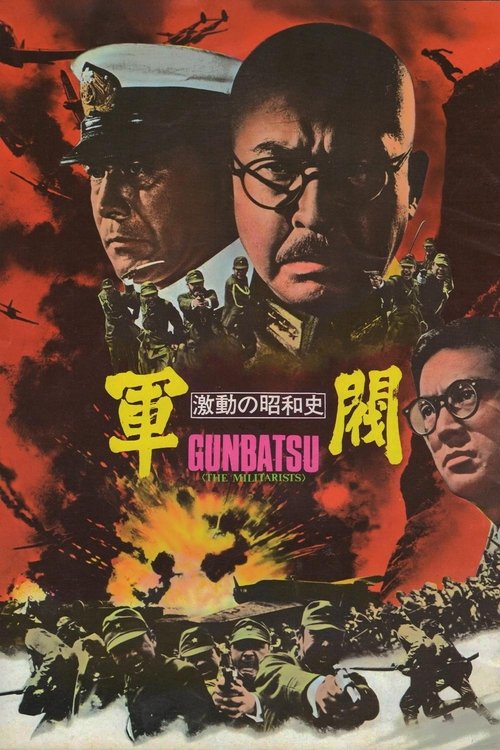
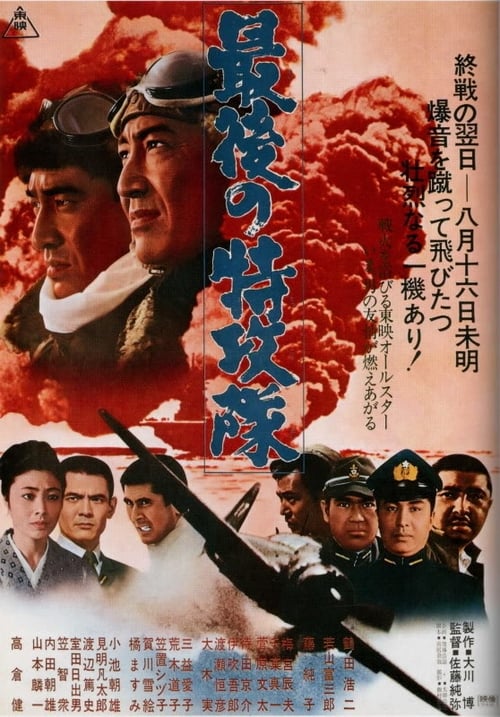
With World War II is coming to its end and Japan nearing defeat, Japanese military leaders step up suicide attacks on Allied ships. Toei legend Koji Tsuruta stars as a Kamikaze squad leader who has second thoughts about suicide runs. He becomes torn between his own morality and his duty to his country when he must deal with a pilot under his command who refuses to complete his mission.
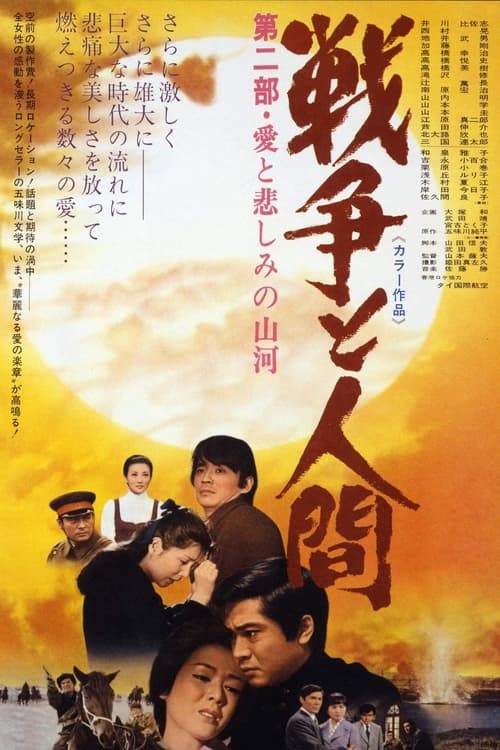
Second part of an epic drama of war and its effects upon human beings, follows the fortunes of the Godai family from 1935 through Japan's invasion of China. Based on the novels by Jumpei Gomikawa, who also penned The Human Condition.
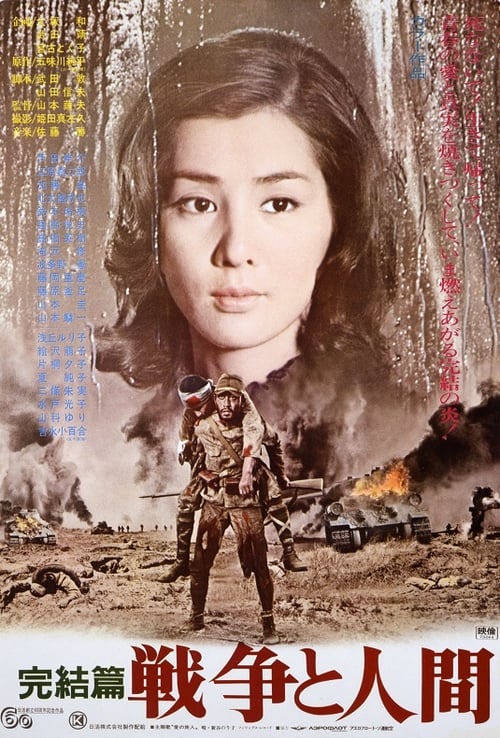
Final part of epic drama about war and its effects upon human beings, follows the fortunes of the Godai family through the Sino-Japanese War through the Soviet Union's sudden attack upon Japanese troops at the end of the war.
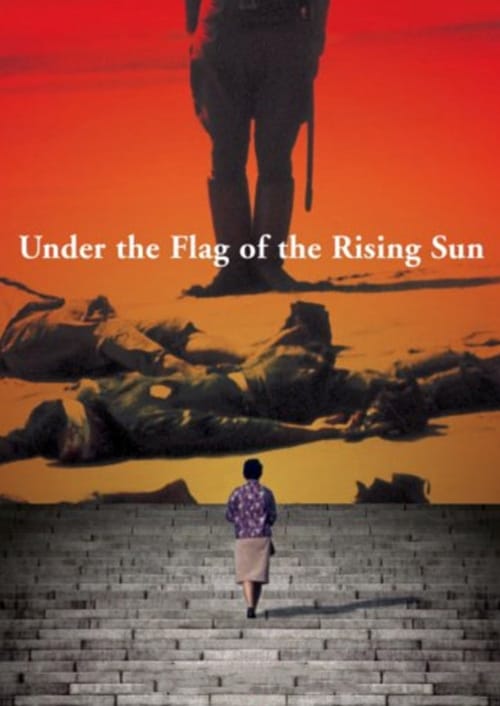
A war widow determined to clear the name of her disgraced husband, who was court-martialed for desertion and executed. Official records have been destroyed, and the ministry that distributes benefits continues to deny her a pension. Twenty-six years after the war, she seeks out four survivors of her husband's garrison. Each tells a dramatically different story about her husband's conduct, but she is determined to learn the truth.
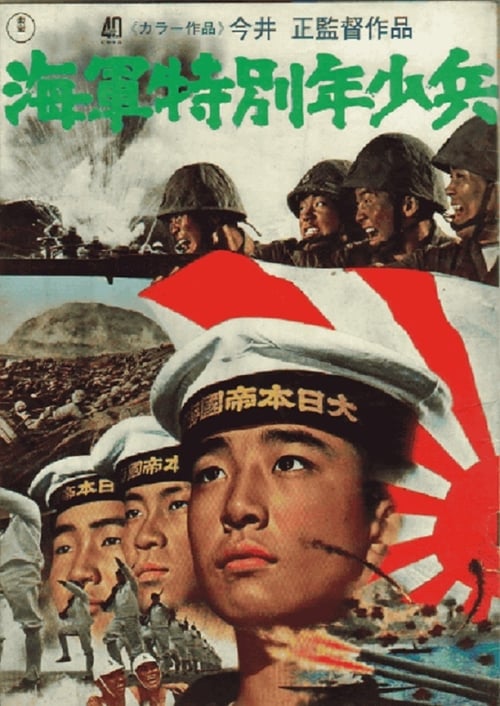
Japanese youngsters enduring hard training in Recruit Camp and then going to Iwo Jima in the last days of World War II.
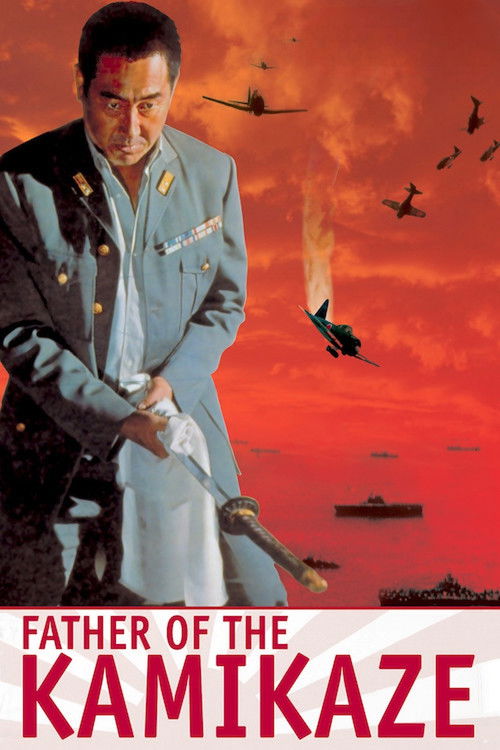
Vice Admiral Takajiro Ohnishi could see that Japan's defeat in WWII was inevitable. He came to realize that the only way to force a negotiated solution was to convince the Americans that invading Japan would cause massive casualties on both sides. The cold logic of suicide attacks, where one man and one plane could kill hundreds, seemed the only solution. In one of the cruel ironies of fate, Ohnishi actually succeeded; he convinced the Americans that invading Japan would be too costly in lives. But what he could not foresee was that America had another way of ending the war.
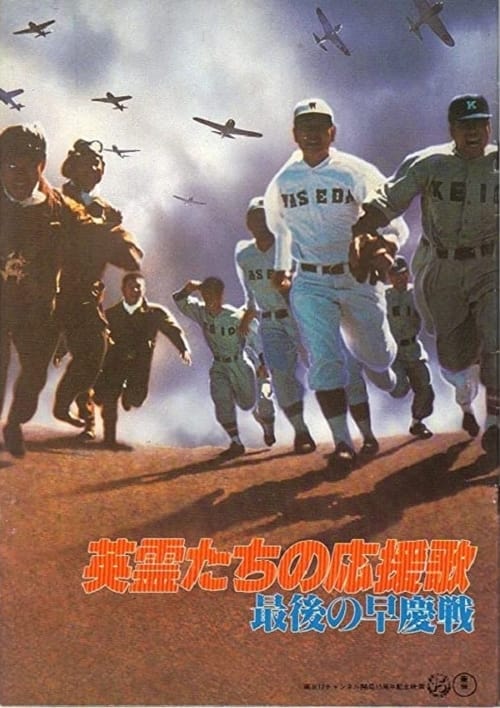
After the war-time government orders the disbanding of the Big-Six baseball league, the teams of Waseda and Keio universities play one final game before they are drafted into the armed forces and face the hardships of military service.
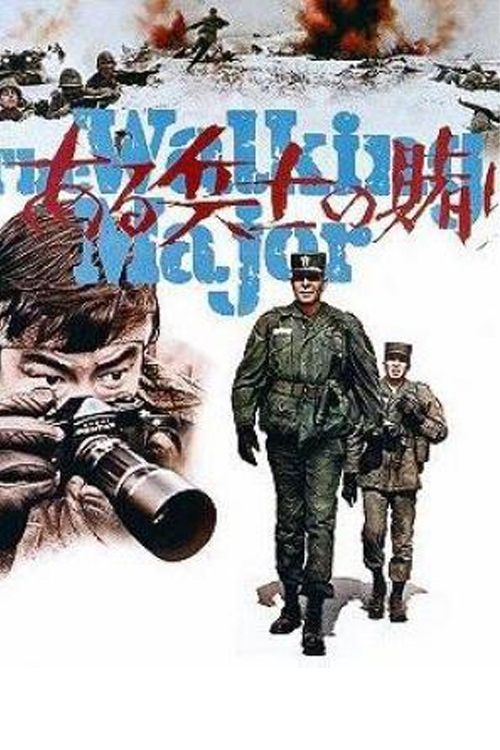
U.S. Army Captain Clark Allen gains attention by walking back and forth, the length of Japan, gambling with U.S. servicemen in order to raise funds to rebuild an orphanage. Suspicious of Allen's motives, a Japanese newsman, Hiroshi Kitabayashi, traces the American's background until he discovers the motive behind Allen's long walk.
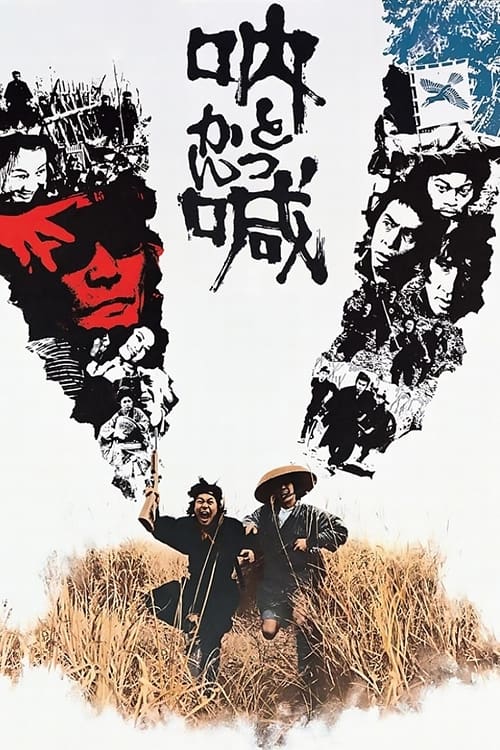
During the military phase of the Meiji Restoration of 1868, Sentaro joins a local militia loyal to the Tokugawa Shogunate in order to fight Imperial troops. But Sentaro's friendship with a pickpocket, who switches sides whenever it suits his needs, leads to complications that could cost Sentaro his life as they infiltrate enemy lines.
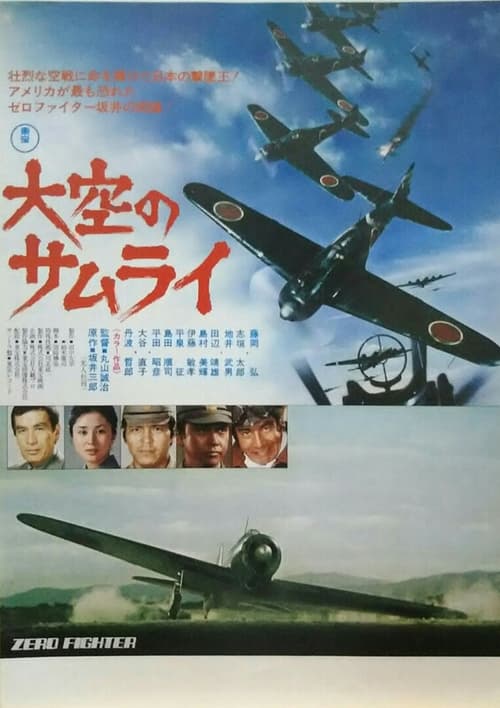

Movie based on a book by Kakou Senda about the use of women as sexual slaves by the Japanese Army during WW2.
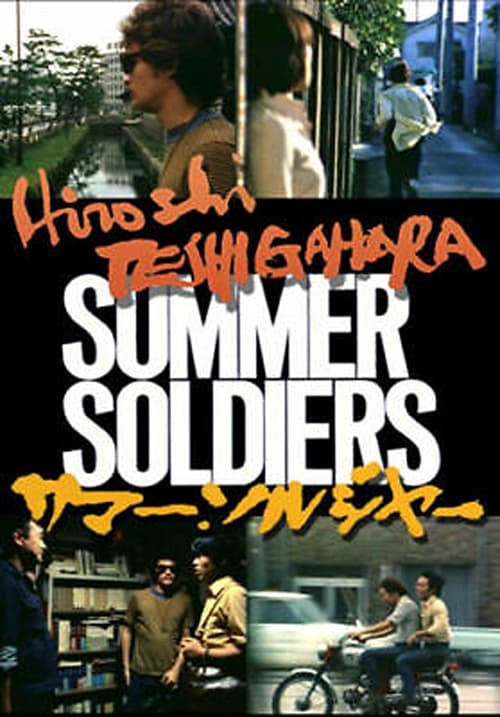
During the Vietnam War, an American G.I. deserts his base in Japan and escapes to Tokyo with the help of his Japanese bar hostess girlfriend. In the capital he gets involved with an anti-war organization while dodging the military police.
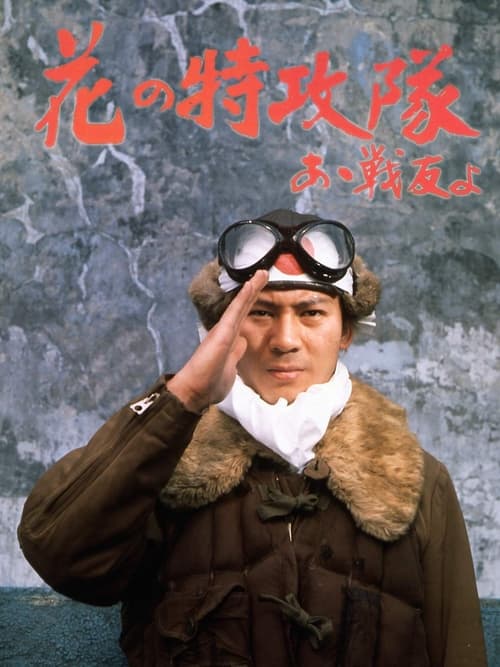
In 1943 Japan is facing defeat. This makes Shinkichi, a straight, selfless student-patriot, ever more restless. He can no longer stand his soft "behind-the- gun" role of munition factory worker. School-mates one after another are going to the front, where he feels he should be. The last straw is an official report of his father's death in the Battle of Attu in the Aleutian Islands. He rushes to the naval air corps training camp at Tsuchiura along with his close school-mates Naito, Yamada, Saito and Tagawa as Volunteer pilot trainees leaving his mother and sweetheart weeping and helpless.
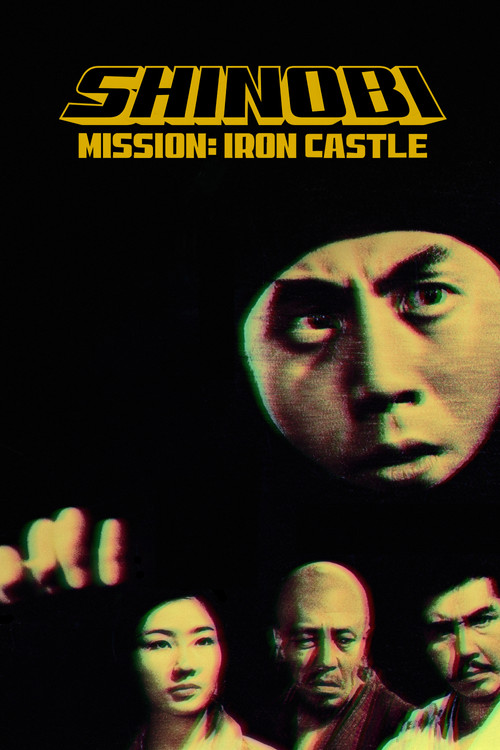
The Shinobi-no-Mono series was so successful that Daiei Studios dipped into the well one more time, making the best 60′s B&W ninja movie ever seen in the otherwise color-dominated year of 1970. Issei Mori directs Hiroki Matsukata as the reluctant leader of a small band of spies charged with kidnapping a noblewoman from a heavily ninja-proofed castle. The finality of the air slowly began to fill like smoke, and in all that had become dark the loyalty of the Ninja who dared to go shone like light as they entered a world shrouded in mystery. Things do not go as planned in what is possibly the darkest and most fatalistic of the already noir-ish 60′s fare. Both the decade and it’s distinctive style of shinobi cinema went out on a high note with Mission Iron Castle.

First live action "Barefoot Gen" sequel.
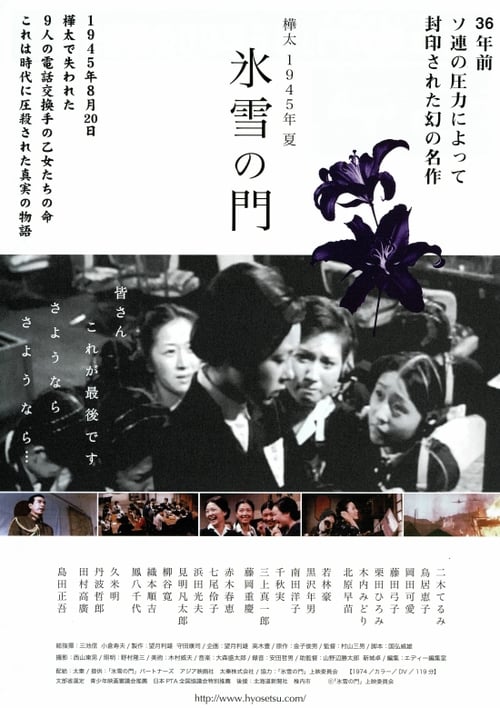
The film is set in Karafuto after the radio broadcast of the Imperial Rescript on the Termination of the War. On August 15, 1945, Soviet forces invaded Karafuto. On August 20, the postal telegraph office in Maoka suspended operations and nine of the twelve telephone operators committed suicide by taking potassium cyanide while the city was being invaded.
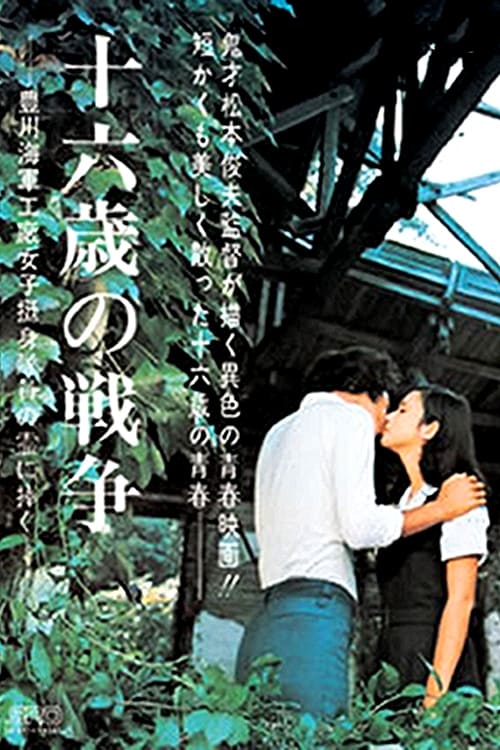
A young drifter and a precocious sixteen years old girl slowly form a bond in a small town haunted by its wartime past.

First live action adaptation of Keiji Nakazawa's manga.
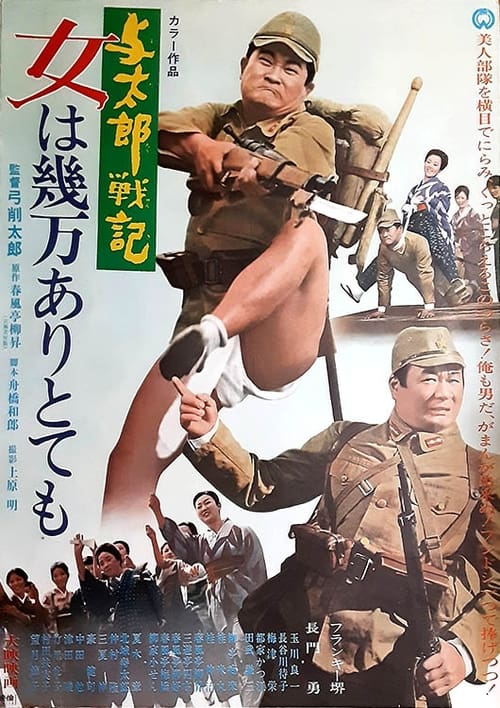
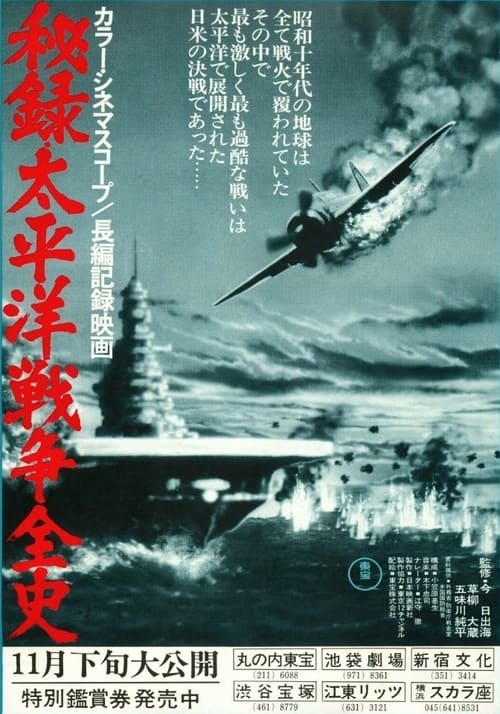
A history of the Pacific War comprising of American combat footage with Japanese wartime newsreels
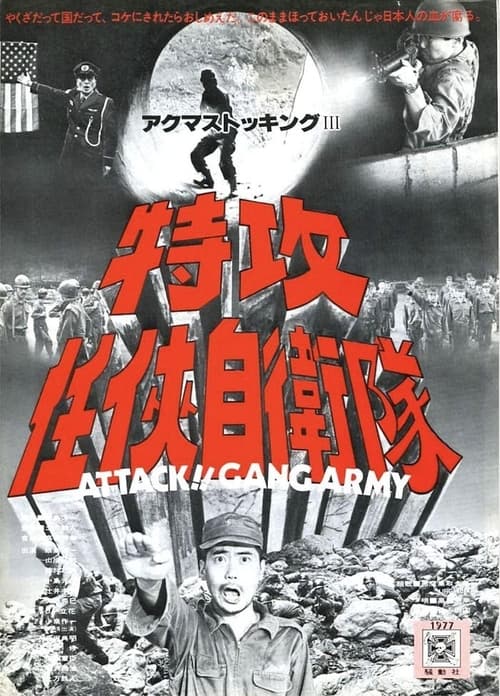
The relationship between Japan and Keros became tense due to the conflict between the salmon and trout fishing grounds in the north. The government tried to survive by offering the Northern Territories to Keros, who gathered the Keros faction elements in the corps in the central mountains and aimed to invade at once, but the defense agency executive who was dissatisfied with this kept secret to the police officer Lieutenant Ando. I ordered you to subdue. Then, dozens of daredevils, including Mitsuharu Hanai, who joined the army for some reason, gathered and trained in excellent commands. Hard training continued every day, and finally the sortie order came down.

Paper-Scissor-Rock wars draws an episode where the two generals portray the Second World War, mostly through the rock-scissors-bag, but also by some absurd torture techniques that bring to mind some sort of Japanese artificial 70s jack ass. To the sound of classical music, birds chirping and Nazi incendiary speeches travels generals, ever contestant in the seemingly meaningless game around at an abandoned industrial area.
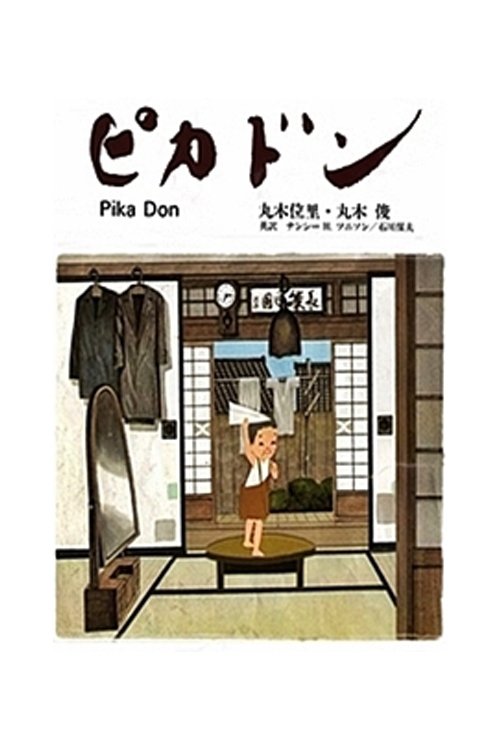
An animation documentary describing the tragic consequences of the A-bomb explosion in Hiroshima on August 6th, 1945. The flash of the A-bomb, 100 times brighter than the sun, is called "PICA", and the enormous shock wave which came right after the flash is called "DON". At the time this film was completed, it was the very first attempt in the world to deal with such a sensitive subject of Hiroshima using animation media.
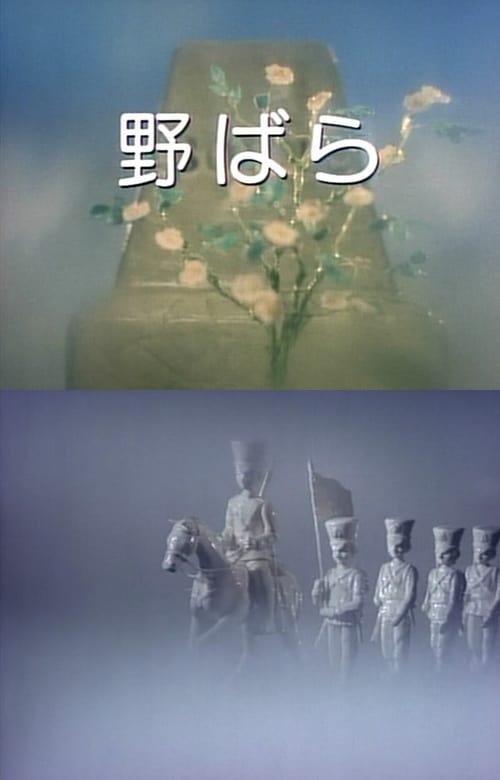
The bloom of wild roses connects an aging soldier from a large country with a youthful soldier from a small country, but the two are soon parted as one of them becomes a casualty of war.