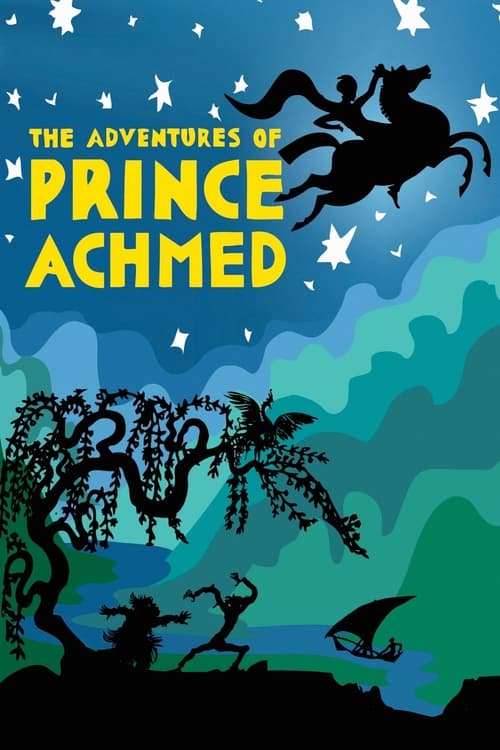
Taken from The Arabian Nights, a wicked sorcerer and the beautiful prince Achmed battle one against the other during a series of wondrous adventures.
The Adventures of Prince Achmed
7.5 1926
162 Matches Found
Taken from The Arabian Nights, a wicked sorcerer and the beautiful prince Achmed battle one against the other during a series of wondrous adventures.
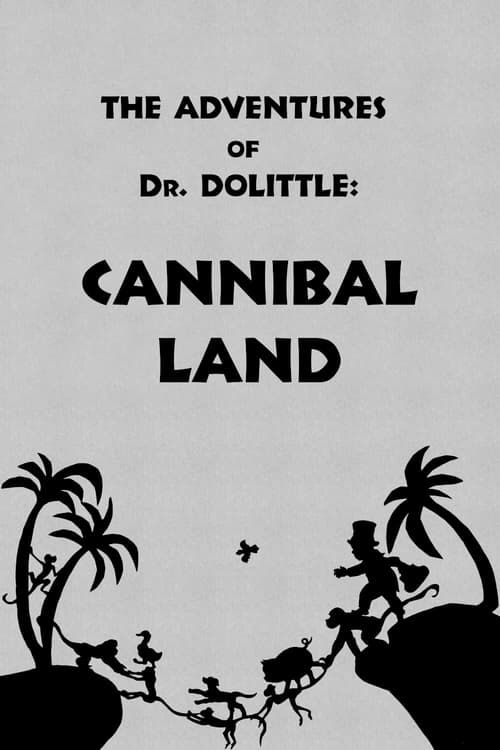
On his way inland, Dr. Dolittle and his animals encounter a nasty surprise. Natives capture them and hold them under lock and key.
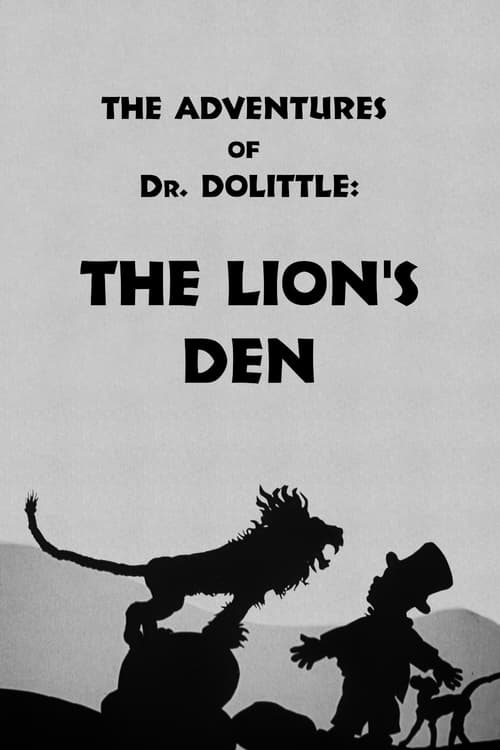
Dr. Dolittle has arrived in the land of monkeys, where gorillas, orangutans, baboons and spiders await medical attention. But how can one do it alone? Luckily, the animals of the desert want to help.
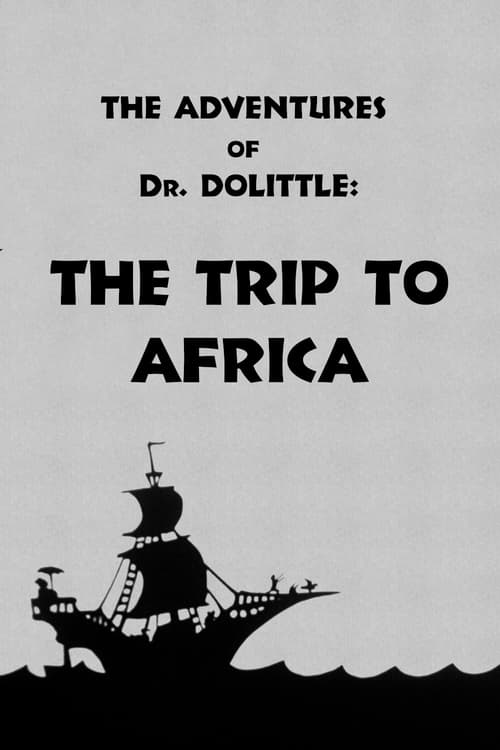
In a house on the coast, Doktor Dolittle lives with a monkey, a little dog, a pig, a crocodile, a duck and a parrot. He knows the language of animals. A swallow flies to him and tells of a terrible disease among monkeys in distant Africa. Dolittle and his animals board a ship and begin a hilarious journey.
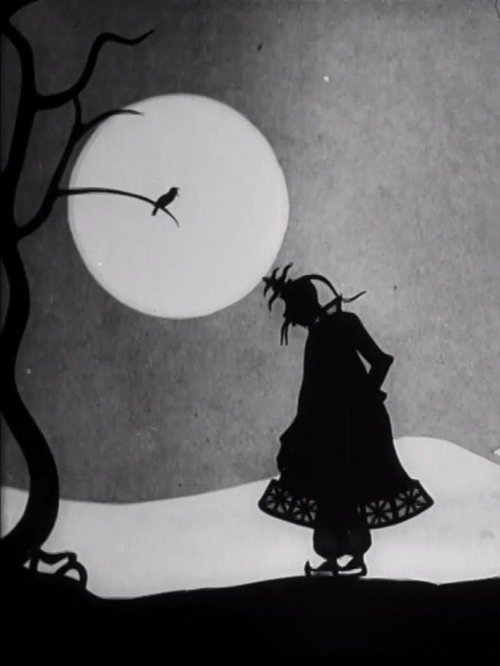
The Emperor of China hears a nightingale sing, and decides to capture her, yet he fails. So he tries at least to have her call imitated, yet there everybody at his court fails, so he offers a prize for success in this - the marriage with his daughter. Two Europeans hear of it - a Mr. Tri-Ergon (record label) and a Mr. Trichter (recording horn). Both try with their recording devices to cut a record of the Nightingale.
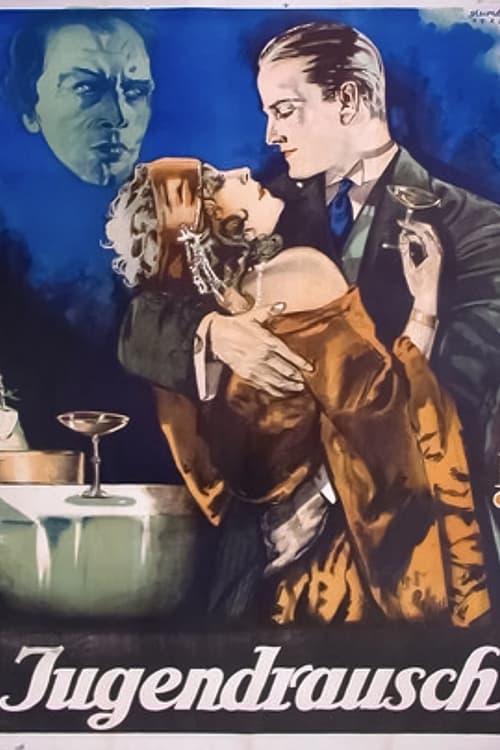
Mary and Eva are best friends, although they couldn't be more different. Armand, Mary's fiancee, falls in love with the seductive Eva, who is busy becoming a revue star. When Eva fails and loses her money, Armand tries to help her out.

Lotte Reiniger's earliest preserved fairytale film based on a fairy tale by Hans Christian Andersen.
An abstract animation by Walter Ruttmann.
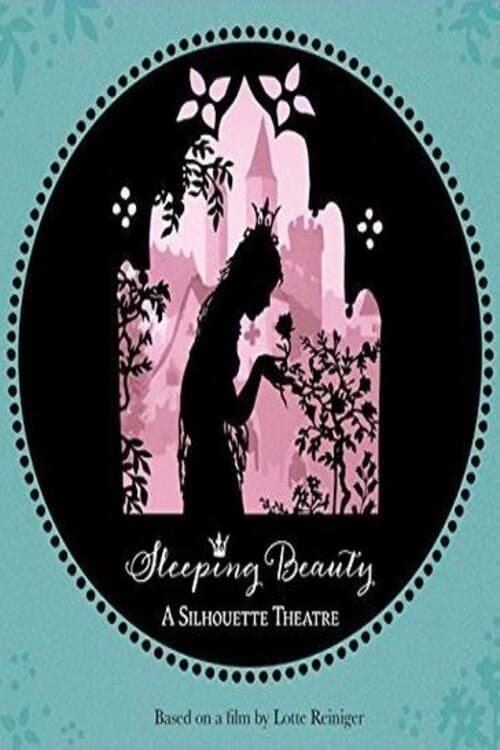
A king and queen celebrate their daughter’s birth, but a forgotten fairy curses her to die by pricking her finger on a spindle. Another fairy softens the curse, allowing her to sleep for a hundred years. Despite efforts to remove all spindles, the princess pricks her finger and falls asleep, along with the entire castle. A hundred years later, a prince awakens her with a kiss, reviving everyone. They marry, and the thorn hedge dissolves.
An abstract animation from Walter Ruttmann.
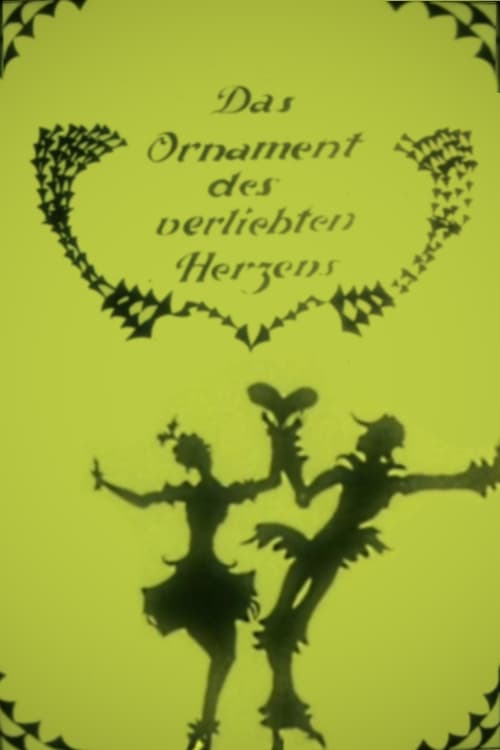
The first film directed by influential German-born silhouette animator Lotte Reiniger is delightfully reminiscent of a Valentine’s Day card come to life. Two lovers interact with an ornate background that shifts and changes in tandem with their own balletic movements as they express their feelings for each other.
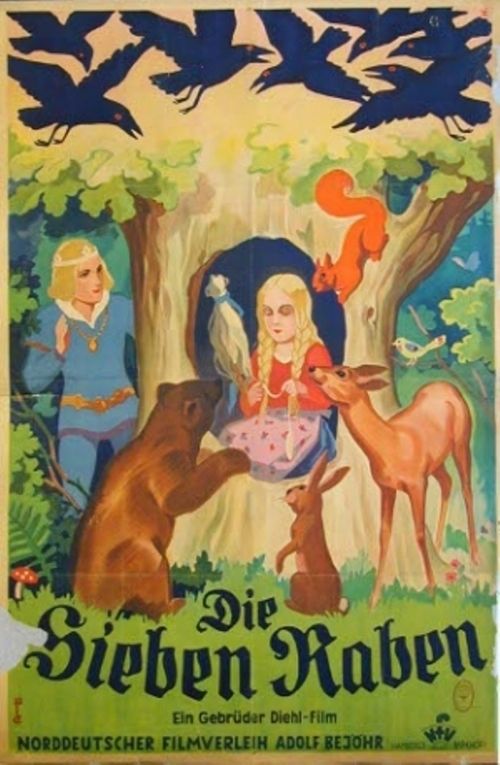
When a young girl finds out that, due to her existence, her seven brothers are struck by a curse and have to live their lives as ravens, she goes out in a quest to find them. Considered to be the first German feature length stop motion film.
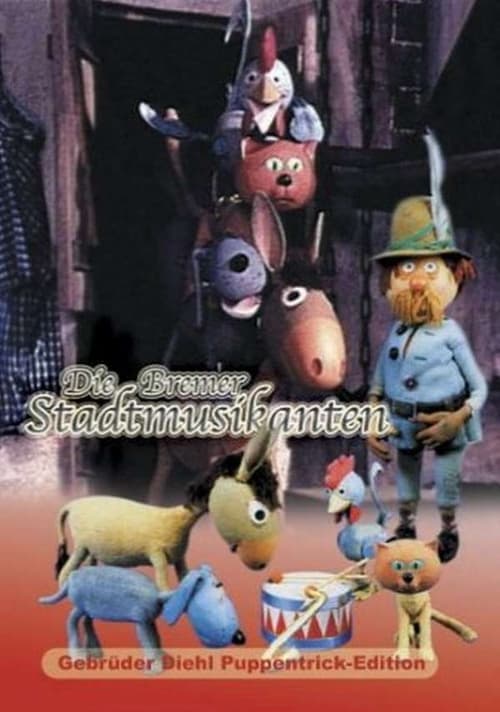
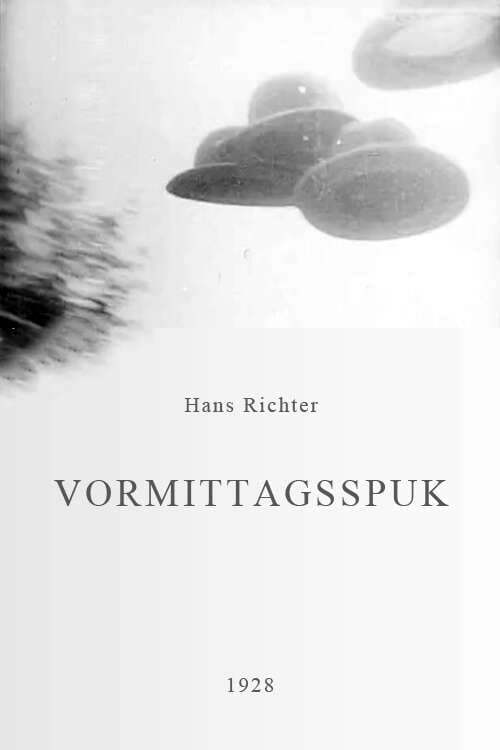
Hans Richter, noted for his abstract shorts, has everyday objects rebelling against their daily routine.
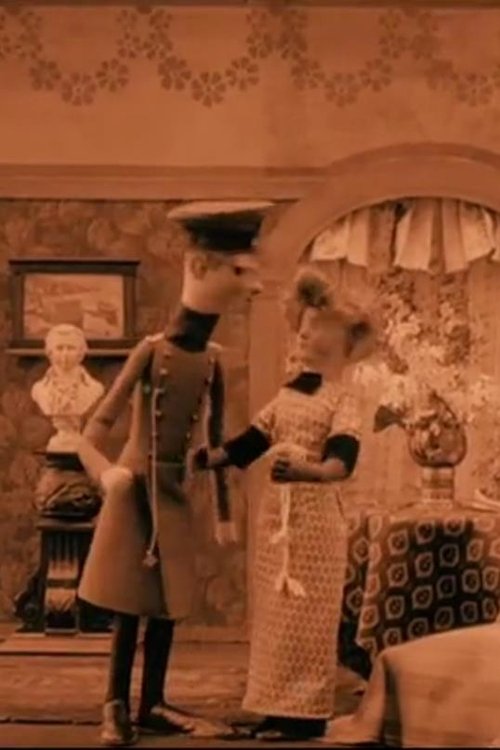
A young boy in a sailor suit plays with three dolls, representing German soldiers. He slowly nods off and in his dreams they come alive.
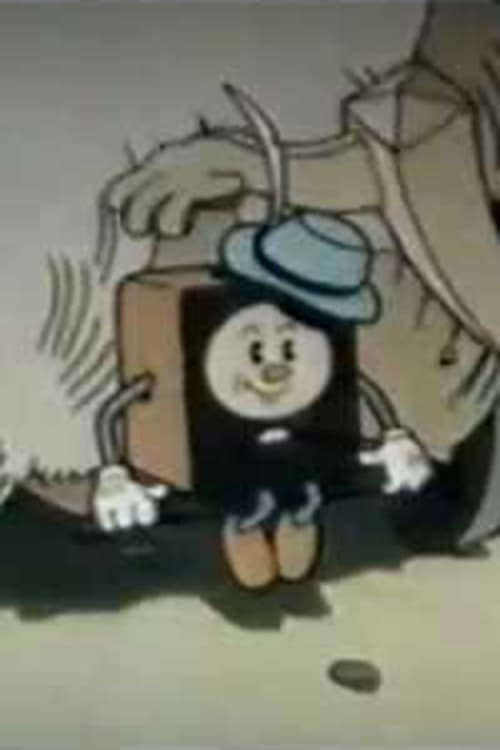
This technically quite well-made cartoon from pre-war Nazi Germany is a commercial (or propaganda piece) for Volksempfänger ("people's receiver"), inexpensive radios. First we see agricultural statistics: the far-away village of Miggershausen is quite below standards in milk and egg production. An anthropomorphic radio undertakes the long voyage by express train, steam train, hay carriage to Miggershausen to advertise its services. It is not well received. Then, it collects and leads an army of radios to try again. They flood all the farmhouses and seem to be more convincing that way - at day, they spread agricultural knowledge to bring milk and egg production up to standards; later, they just play music and illustrate how various people enjoy various kinds of music.
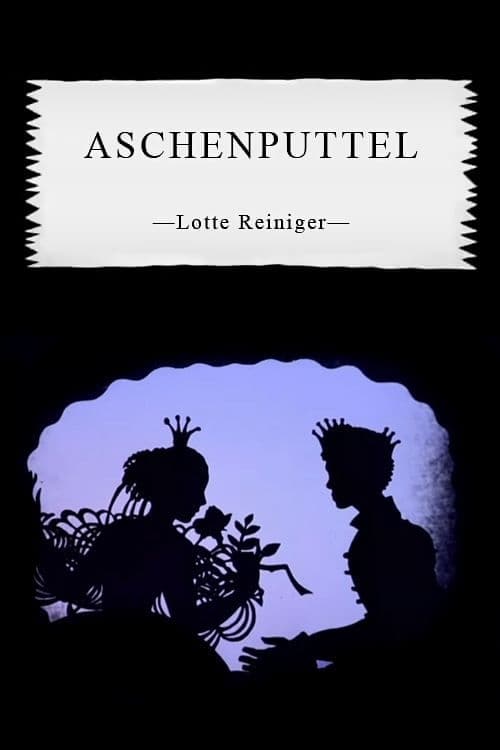
Lotte Reiniger's interpretation of Grimm's recorded version of Aschenputtel (Cinderella) from 1922.

Silhouette film based on Perrault's fairy tale.

Short directed by Lotte Reiniger.
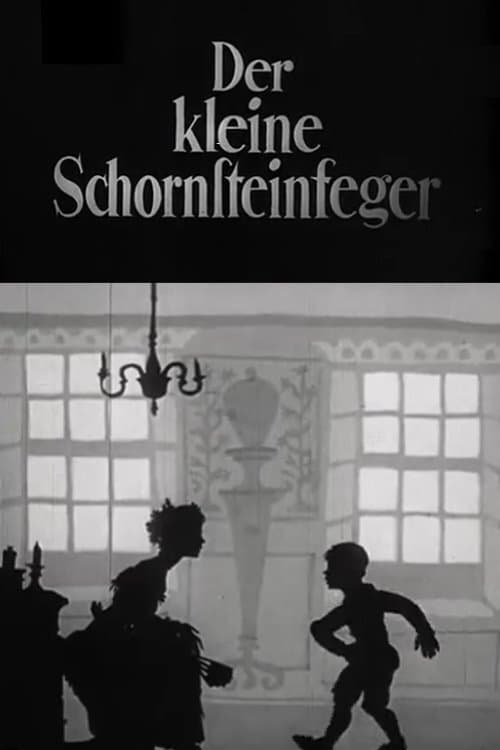
Silhouette animated film based on the novella "The Mohock and the Unicorn" by E. W. White. This is the original german version by Lotte Reiniger
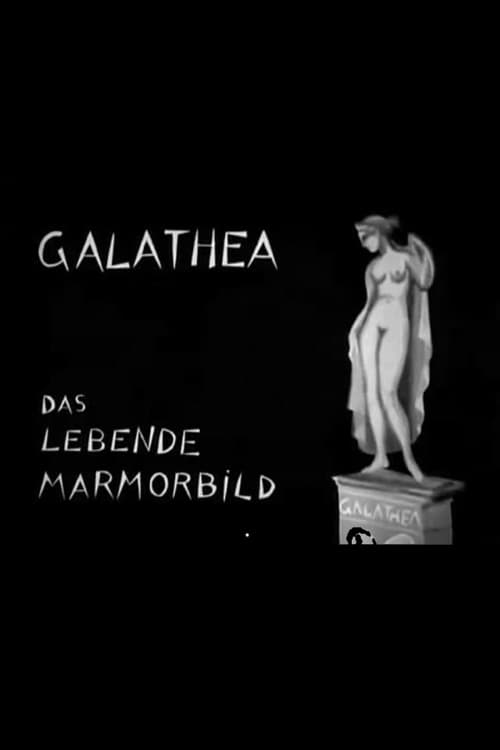
Pioneer of silhouette animation, Lotte Reiniger, uses this technique in a retelling of the Greek legend in which the sculptor, Pygmalion, brings a statue to life.
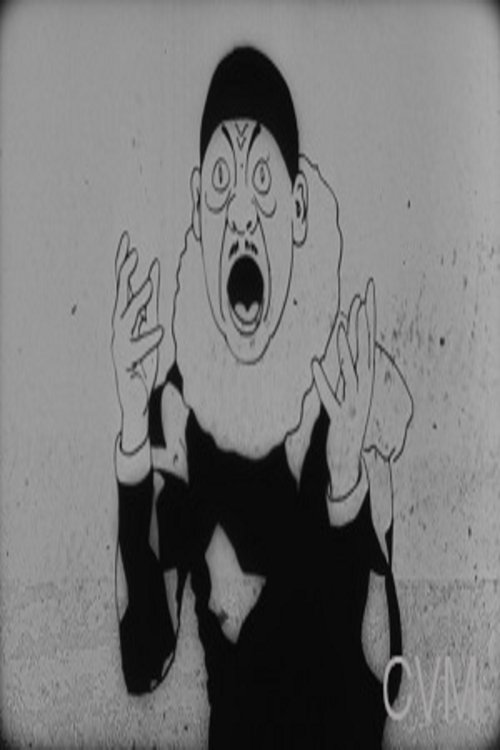
What remains, unedited, of the first episode of a serial by several hands, subject to a form of supervision-control by Fischinger. It opens with an extremely happy image (a "creative hand" which subsequently returns from time to time) — with shading and movements which appear to have been achieved by the use of the Rotoscope — characters who evoke the commedia dell’arte, in a somewhat joyless tone, but visually dramatic and with echoes of "caligarism". Enno Patalas would like to visit the other surviving episodes, better to understand the spirit of the operation conceived by Louis Seel, designer emeritus and the inspiration of the project. Preserved by the Academy Film Archive in 2000.
We watch white shapes dancing on black background, which changes when the white shape fills up the screen completely, and black lines and figures bounce around on the now white background.
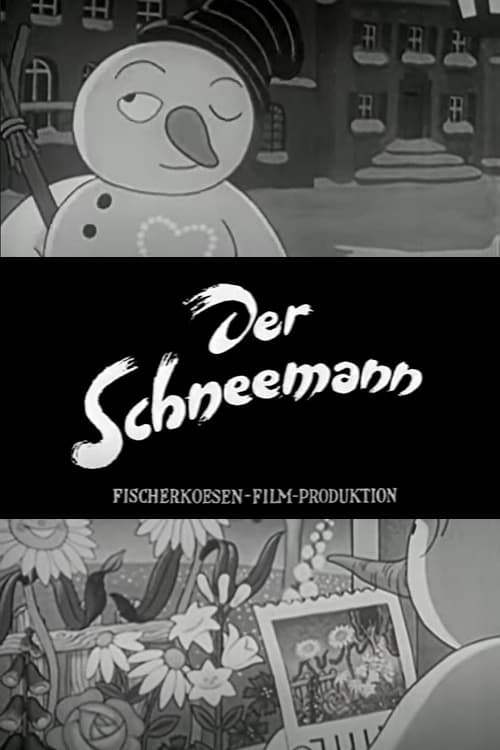
It is winter and a snowman comes alive. On his adventure he will find a calendar that will make him wish to know the spring.
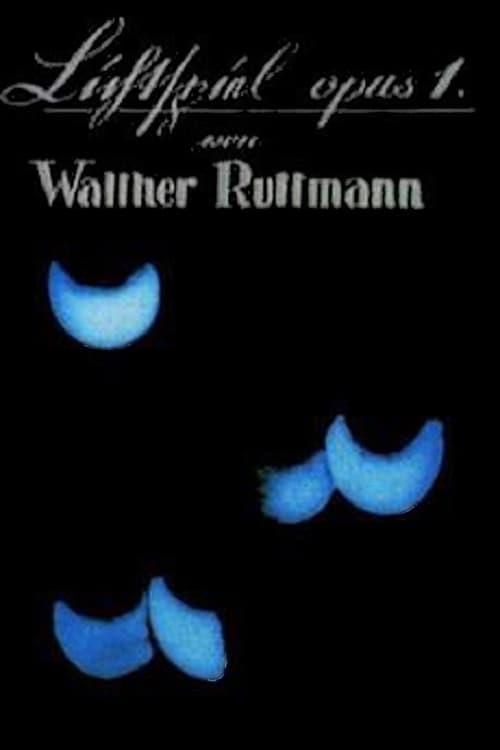
Against a dark background, several bright, curved or rounded shapes pulse towards the center of the screen, one at a time. They are followed by many other shapes, some irregular, some pointed, others rounded. The abstract shapes move into or across the screen in harmony with the musical score.
“This film, based on the Grimm fairy tale, is a trifle later than Munchausen and The Flying Coffer but more elementary than Cinderella. It completes the number of silhouette films made by the Institut für Kulturforschung.” - The [London] Film Society, December 1928.
One of Oskar Fischinger's earliest films, Seelische Konstruktionen (as it is known in German), clearly points the way to the masterpieces of musically-blended experimental animation he would conceive in the decades to come. The sense of masterful timing and rhythm, the easy and natural -- though patently Fischinger-esque -- character traits of the subjects, and the smooth precision of both line and movement are all present already. Unique is the black-silhouetted, semi-cartoon characters (not nearly as rigidly self-contained as Lotte Reiniger's cut-out forms) which seem to adhere to no physical limitations whatsoever. Morphing into shapes, structures, objects, patterns, and even one another, as though they were made of pure mercury and set to music. As for the "story", it's rather non-sensical, and certainly silly, but also has a slightly dark and devious tinge to it as well; men becoming monsters, uncontrollable shape-shifting and the constant, almost desperate movement.
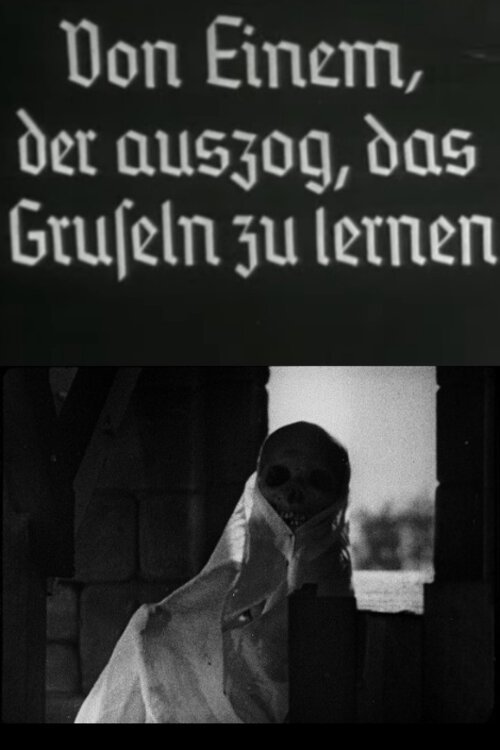
Elaborately designed puppet animation film about the Brothers Grimm's "Fairy Tale of the Youth Who Went Forth to Learn What Fear Was"

A tilted figure, consisting largely of right angles at the beginning, grows by accretion, with the addition of short straight lines and curves which sprout from the existing design. The figure vanishes and the process begins again with a new pattern, each cycle lasting one or two seconds. The complete figures are drawn in a vaguely Art Deco style and could be said to resemble any number of things, an ear, a harp, panpipes, a grand piano with trombones, and so on, only highly stylized. The tone is playful and hypnotic.
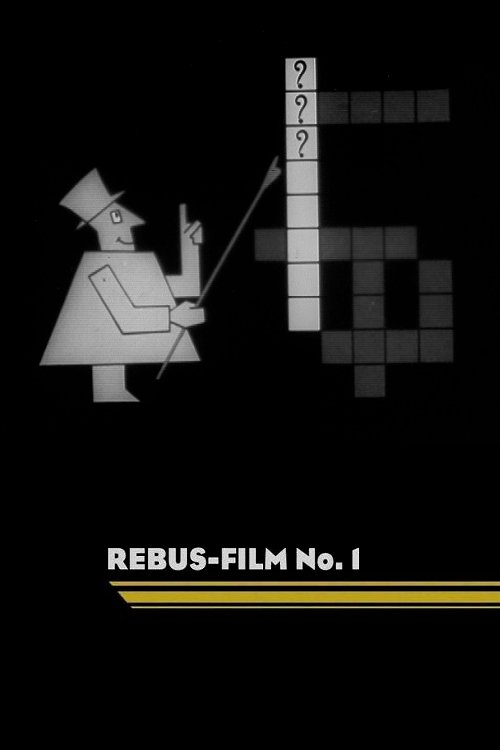
An "extra" shown in two parts at the movie theater, before and after a feature: part one gives the clues to six words in a crossword puzzle, part two gives the answers. In addition to the visual clues, which are clips of a party, an Asian country, a European city, table games, winter, and bullfighting, there are montages of street scenes and spinning objects. A simple cartoon character, Mr. Rebus, walks the audience through the clues, and title cards encourage the participation of the theatergoers.
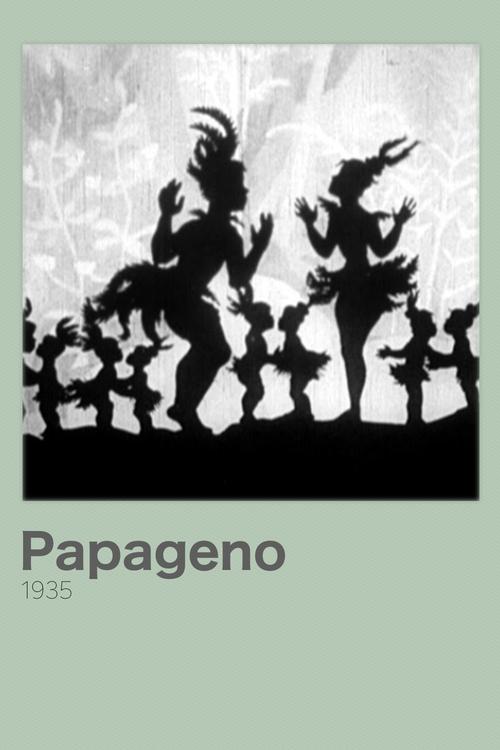
Film shows the story of Papageno (the one from Mozart's opera "The Magic Flute"), who wants a mate, yet has difficulties getting one.
Experimental short film by Oskar Fischinger
Silhouette animation based on the tales of Baron Munchausen. “This film, primitive in technique, is contemporary with Miss Reiniger's first silhouette film The Flying Coffer, shown by the Society. Mr. Felgenauer's design is individual.” - The [London] Film Society, 1928.
Advertising for the 7th War Loan. Animation with intertitles in verse form, altering the expression of John Bull by the respective war bonds into a grimace.
Silhouette animation prepared to be shown during a scene change of the Fritz Kreisler operetta "Sissi".
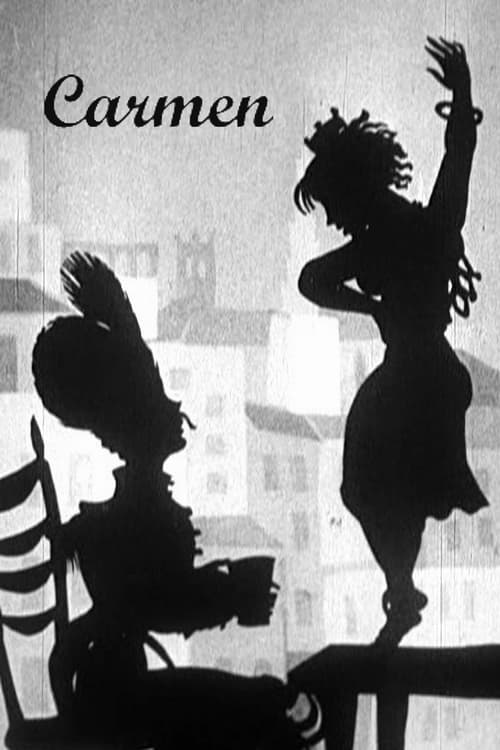
Silhouette film. Based on Bizet’s opera “Carmen”.
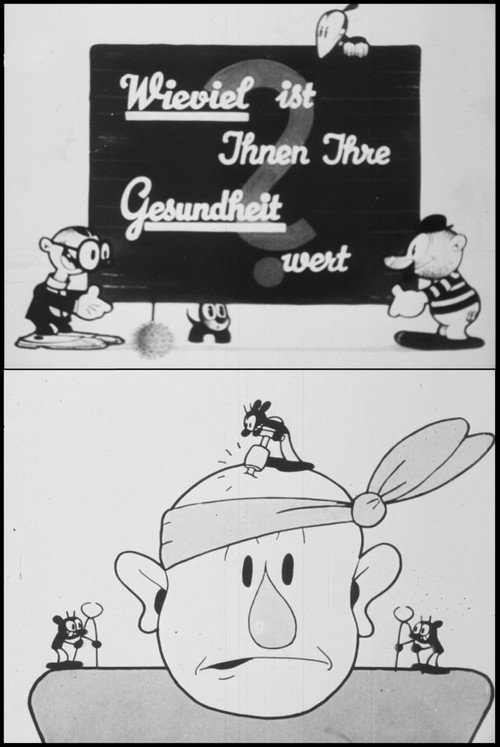
Short commercial with animated sequences.
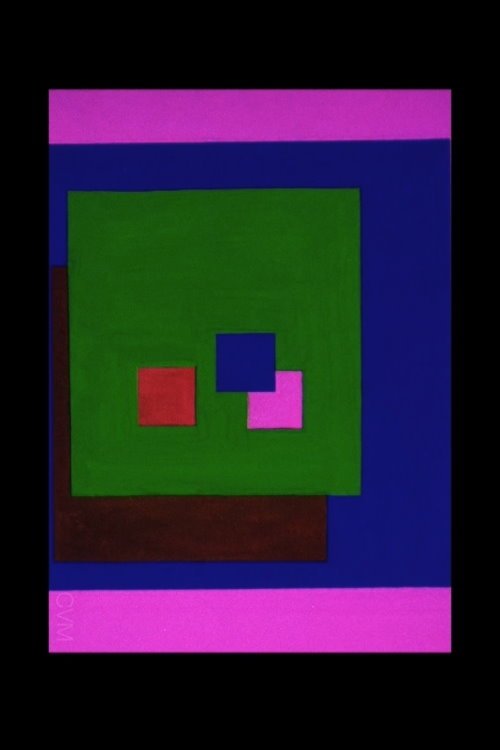
A continuous movement. Preserved by the Academy Film Archive in 2000.
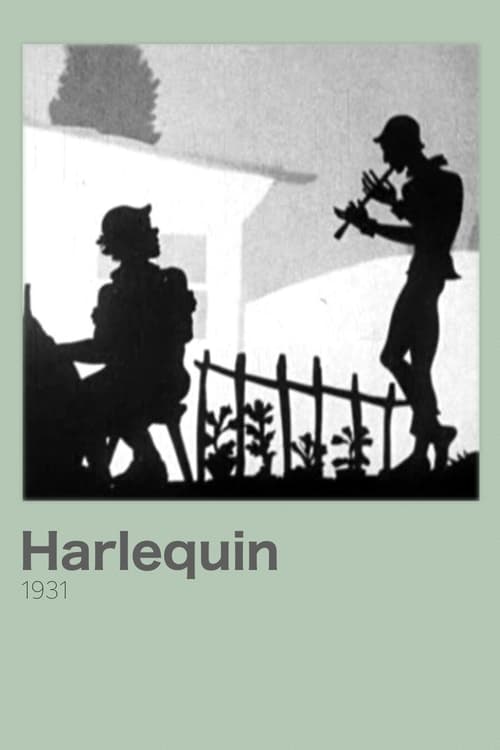
A love story set to a baroque score, HARLEQUIN is a delicate black-and-white ballet rendered through exquisitely detailed silhouettes.
Adam and Eve are cast out of Eden. They discover that flowers can bring both joy and solace.
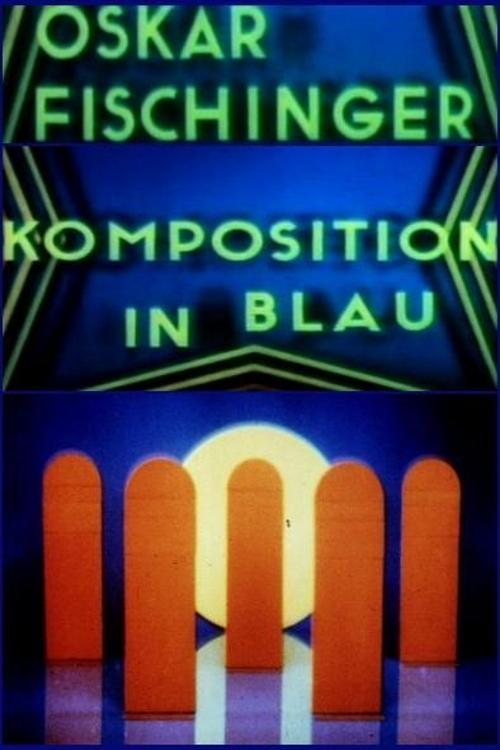
An abstract film in which every motion of coloured shapes is in strict synchronization with music. Preserved by the Academy Film Archive in 2000.
A fly, taken with humanity, decides that it would be best if all flies were wiped out.
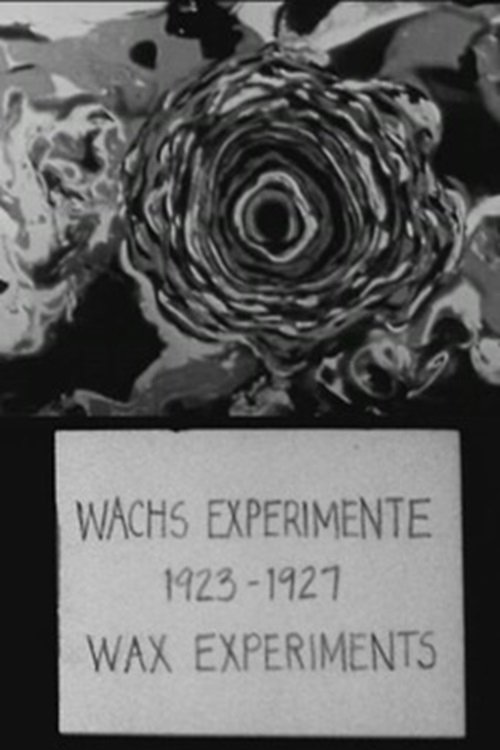
For the production of this film, Oskar Fischinger tinted various layers of hot wax. After cooling, the resulting lump of wax resembled a marble cake. Fischinger then began to cut off slices from the lump, photographing each step.

Kampf dem Hunger is a promotional film with music by Walter Simon Huber using the "Anbaumarsch" by Walter Wild.
Zehn Minuten Mozart was Reiniger's first attempt at merging silhouette animation with music.
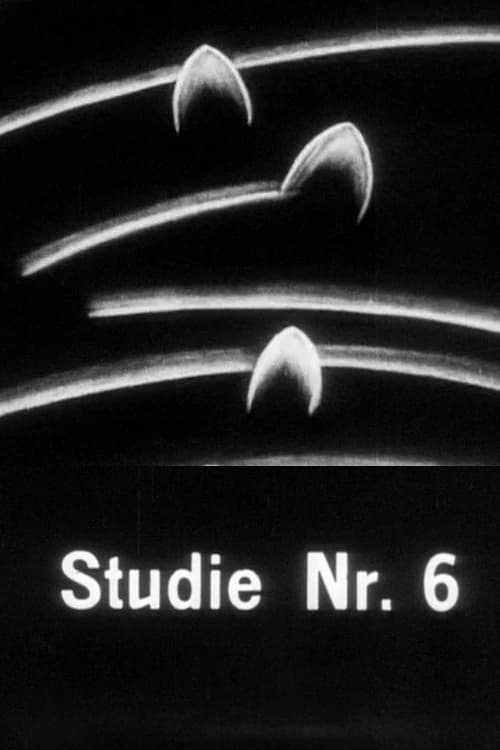
The first Studies were synchronized with records (Fischinger made a total of 13 Studies all without sound). It was only with the introduction of sound, beginning with Study No 6 that the films did full justice to this musical principle. The play of the white lines, the arcs, and the upside-down U’s running hither and thither like ballet dancers was brought into perfect synchronization with the music, and thus the films offered an abstract illustration of the melodies. Study No 6 is certainly the best of his films in terms of forms. - Hans Scheugl and Ernst Schmidt, Jr. Preserved by the Academy Film Archive in 2001.
Animation short film by Paul Leni.
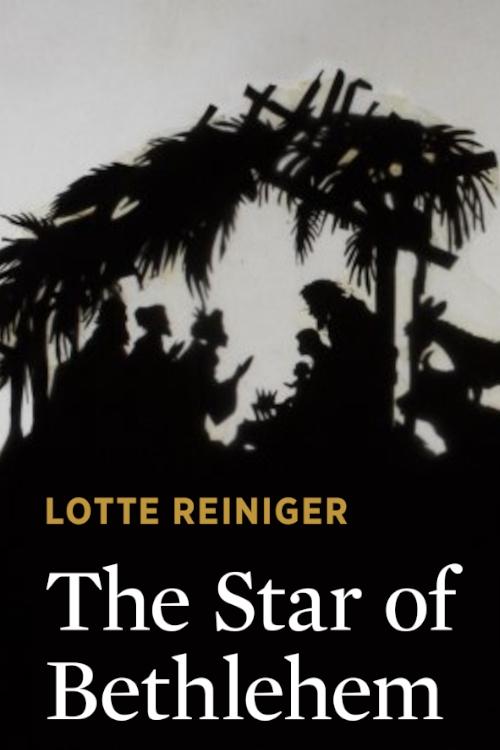
The original nativity story animated silent film by Lotte Reiniger.
Commercial for the GESOLEI health and art exhibition in Düsseldorf.

A German propaganda animation.
Lotte Reiniger applies her charming cutout animation technique to this early advertisement for the Nivea skin care company.
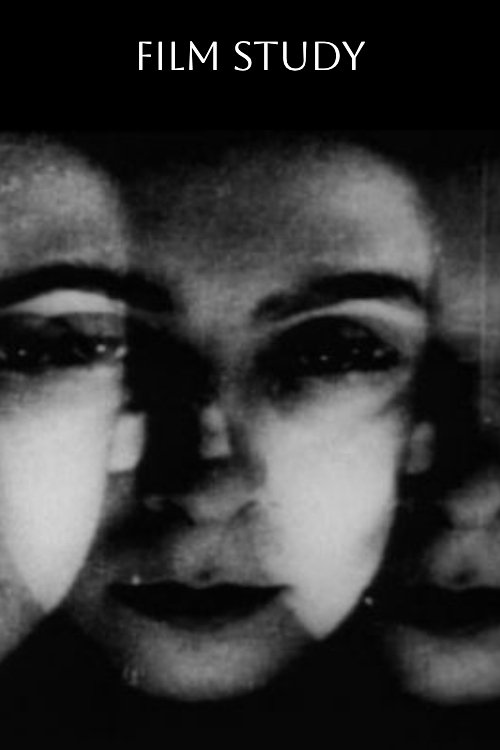
Entertaining Dadaist experimental short, similar to Man Ray's work, full of shifting geometric shapes, stock footage of seagulls, flying eyeballs, and glaring floating heads.
A short film by Walther Ruttmann.
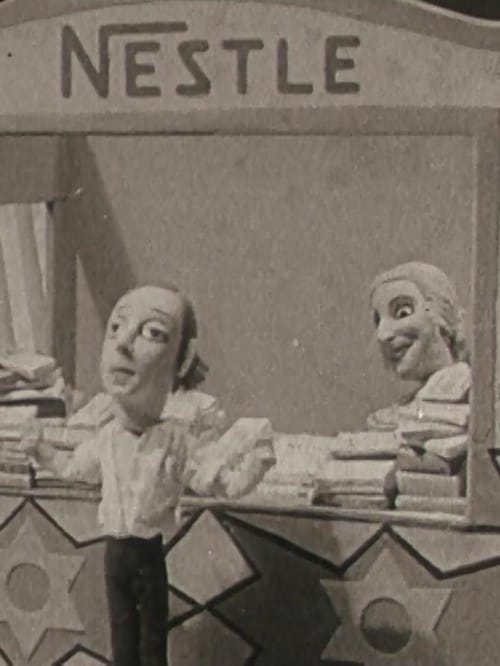
Nestlé ad by Pinschewer.
Animated film about a bird.
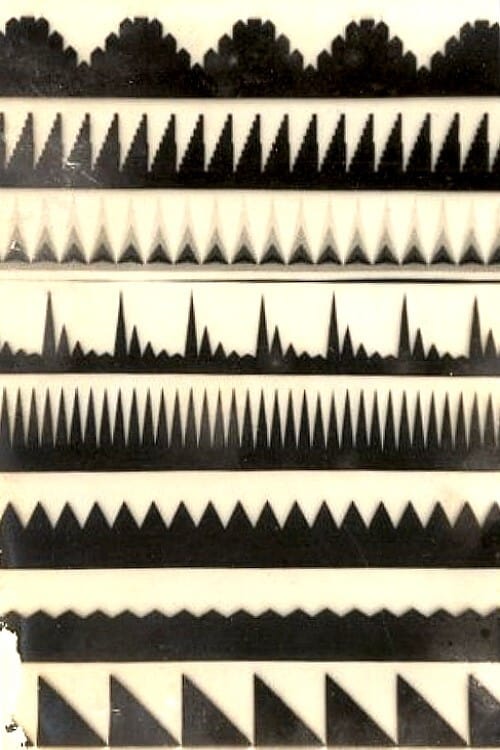
Curious and intrigued by technological advances, Fischinger here also experiments with "synthetic sound" (he would not be the only one: later Norman McLaren played a lot with it). Thus he contructed the optical sound track directly onto the film. But beyond identifying harmonics and noises, he sought to understand to what sound emissions corresponded the geometrical and regular designs which, visibly, appear in their turn synchronously on the screen as true and proper "ornaments" of the sound which is being produced.
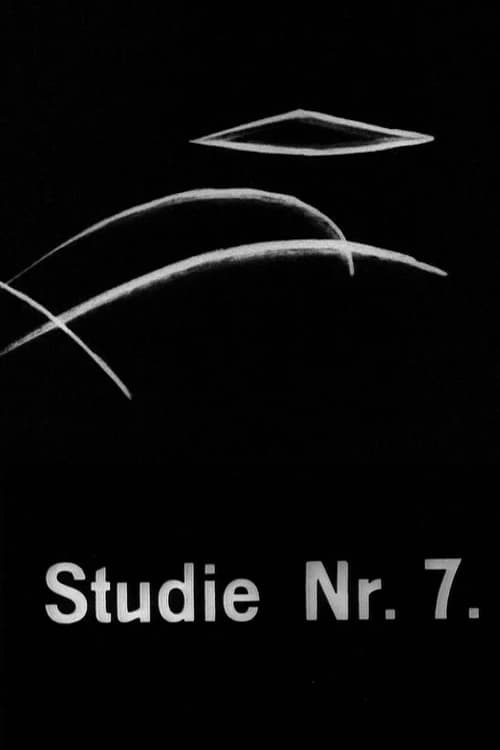
In Fischinger's study No. 7, the shapes of Study No. 6 move to the 5th Hungarian dance by Johannes Brahms.
Silent animation of the classical story.