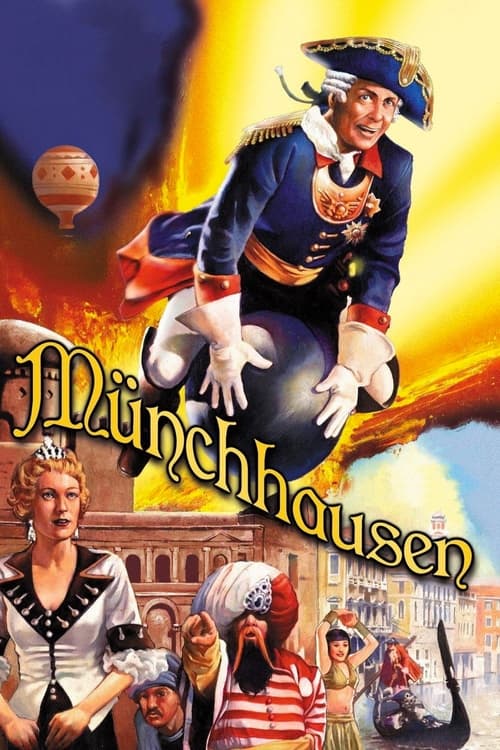
Legendary, immortal nobleman Baron Munchausen regales a lovestruck woman with tales of his amazing adventures.
Münchhausen
6.5 1943
1,161 Matches Found
Legendary, immortal nobleman Baron Munchausen regales a lovestruck woman with tales of his amazing adventures.
This is a real curiosity; at best a reasonable film, but also a charming little gem. There is a story (in the line of "A Star is Born"), but this merely serves as an excuse, as it is more importantly a kind of moving encyclopedia of about 35 stars making their debut in a talkie (although some of them had already made one talkie), of the technical sound possibilities and of film making. Besides all that, it is entertaining and sometimes hilarious and it has fine one-liners that split my side. The film is also remarkable for making mock of typical German film genres (like the overly sweet romances involving the military), of too heavy acting and of film making in general. I have to mention this one: a short, hysterically funny parody of "Der blaue Engel". What this film in fact says is: do not take any film too seriously. (J. Steed)
Willy, Kurt and Hans are broke, so they sell their car and open a filling station. Then, they all fall in love with the same girl.
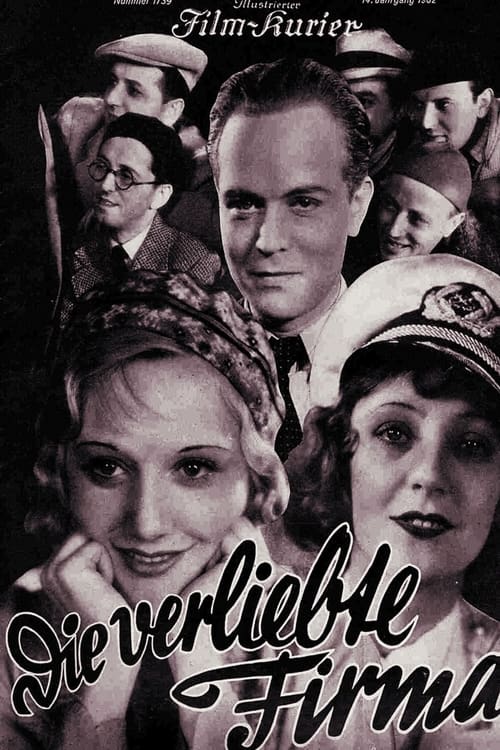
The story follows a movie crew who is filming a musical in a small and idyllic alpine village. After their temperamental leading lady drops out of the film, they decide to replace her with the village's young post office clerk Gretl, who returns to Berlin with them. There she has to struggle with the movie's all-male crew, who all try to woo and win her.

The double standards of a social class, which pontificates with big words what is proper and improper in the world of morality, while in its heart thinks very differently and acts accordingly.
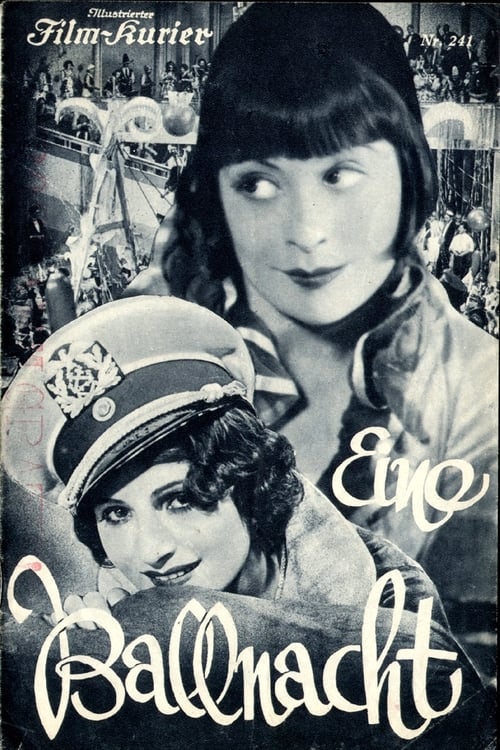
A woman accompanies her husband to a party. Both leave with other partners.

A man in bad sorts hires a burglar to later kill him, then changes his mind when his fortunes turn and must find the contracted murderer before it is too late.
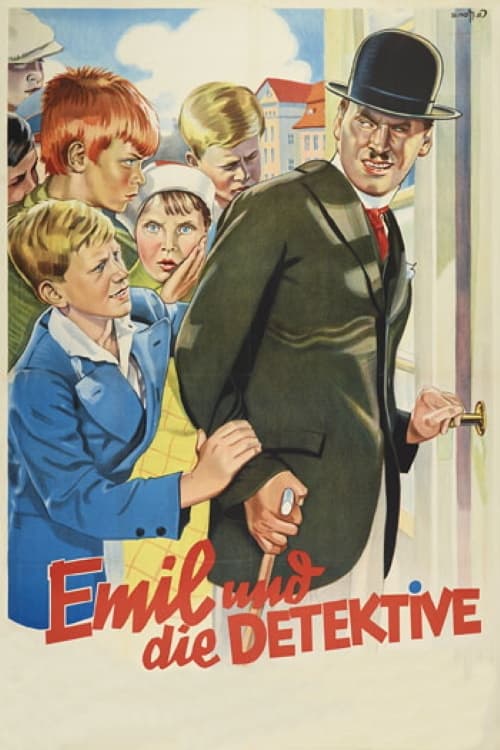
When a suspicious man bribes Emil with chocolate in return for a bundle of cash, the young lad thinks of a plan to catch him.
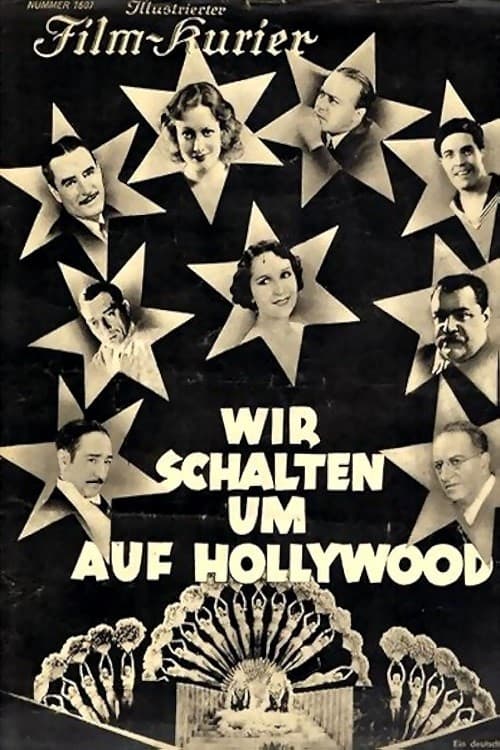
A German reporter visits Hollywood and is escorted through the MGM Studio by a German nobleman, who is working there as an extra. They meet and speak to several actors, primarily Buster Keaton, John Gilbert, Joan Crawford and Heinrich George. Then they meet Adolphe Menjou, who rehearses a long scene in German. A final scene shows stars arriving at a film premiere, including Jean Harlow, Norma Shearer and Wallace Beery.

In this pre-WWII German mystery-comedy, a lovely kleptomaniac with a taste for fine jewelry is unable to resist temptation. Strangely, every time she steals something, a mysterious man pays for it. A clumsy detective begins investigating and finds a crucial clue: a strongly scented woman's glove. The perfume is an expensive scent and the detective's pal realizes that it belongs to a popular nightclub singer. The friend quickly becomes enamored of the girl, but then so does her mystery man, a notorious international criminal. Eventually he gets arrested, leaving the detective's pal to move in on the singer.
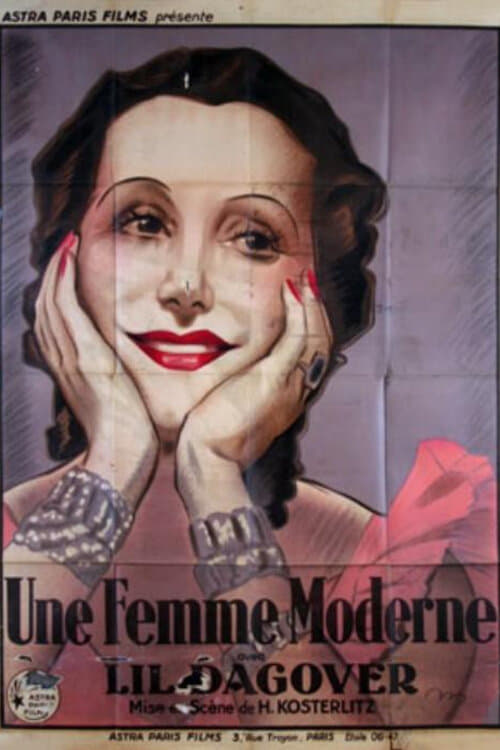
A modernist lady sculptor seeks a model for a statue to be put in front of a Berlin hospital, and finds him in the form of a London policeman-boxer. She's also interested in having a child.
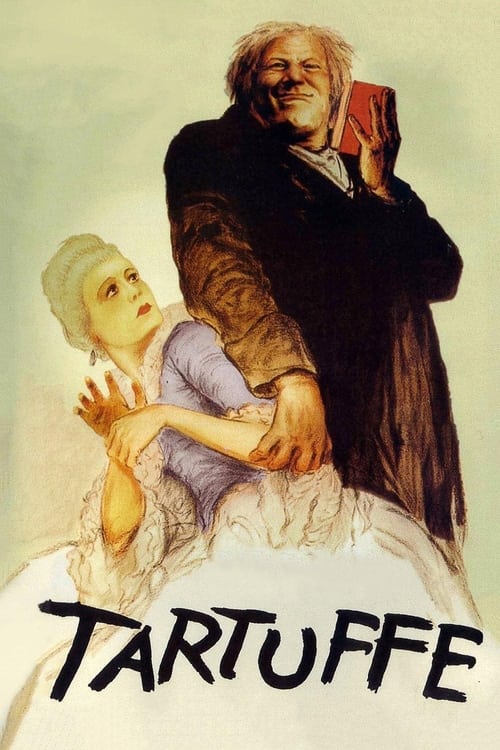
A young man shows his millionaire grandfather a film based on Molière's play "Tartuffe" in order to expose the old man's hypocritical governess who covets the young man's inheritance.
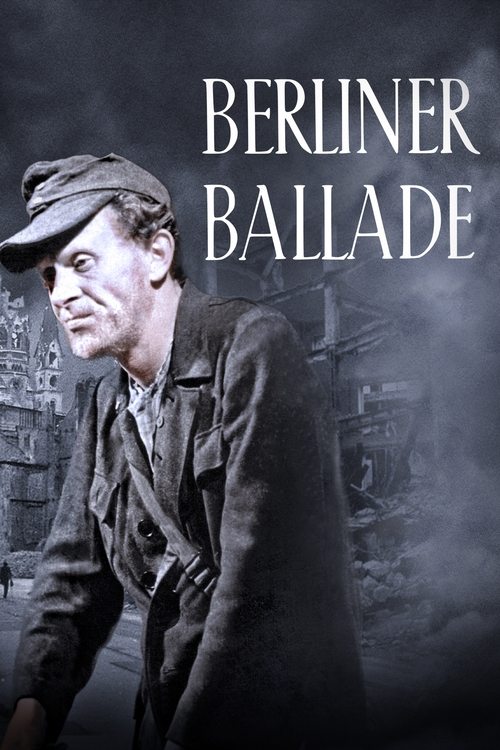
Otto, a feckless Everyman, tries to adjust to the postwar travails of his defeated nation. Stymied by black-market profiteers and government bureaucrats, Otto begins fantasizing about a happier life at the end of that ever-elusive rainbow.
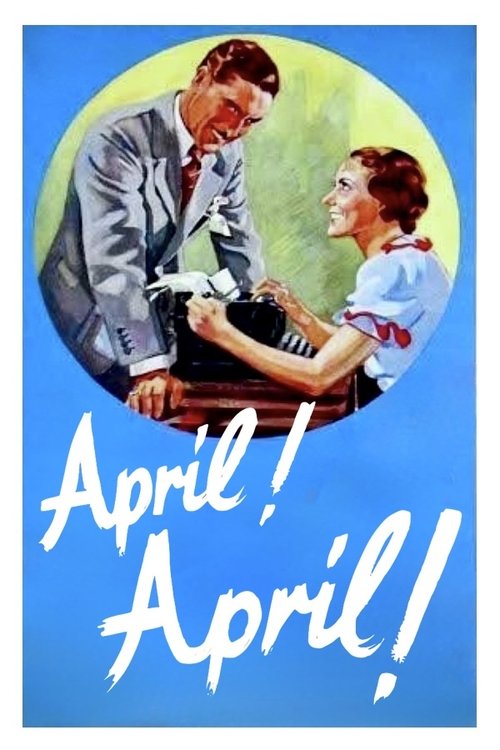
Businessman and shameless social climber, Julius Lampe, is subjected to a cruel April Fools’ Day prank when he is led to believe a noble prince intends to personally inspect his pasta factory.
At the start of the 18th century, British Queen Anne, inspired by her German born lady in waiting, emancipates the country's farmers and peasants.

Two dubious characters disguise themselves as Holmes and Watson to gain attention and end up chasing counterfeiters and stolen stamps.

A nightclub waiter and a manicurist share the same room, she sleeps there by night and he by day. They've never meet , but they can't stand each other. Then they meet by chance, not knowing who's who and fall in love.
Writer Johannes Pfeiffer who goes undercover as a student in a high school after his friends told him that he missed out on a great life experience since he was home schooled.
Cheeky Jette is a typical Berlin girl. Together with her mother, she performs couplets in a Berlin suburb theatre every night. Then, a young Austrian baron, who is worshipping Jette, enables her to audition for Königstädtisches Theater. Although she at first fails with an aria from an opera, Jette wins over the hearts of the board members with her fresh style when she performs a cheeky couplet that was written by Barsch, the stage manager of the suburb theater.
'Manicurist Grete and nightclub waiter Carl share a bed, but not at the same time. They hate each other, even though they have never met. Their rented room is next to a cinema with its frankfurter-munching projectionist and romantic musical numbers that seem to permeate their lives. Might they meet and fall in love?' (BFI)
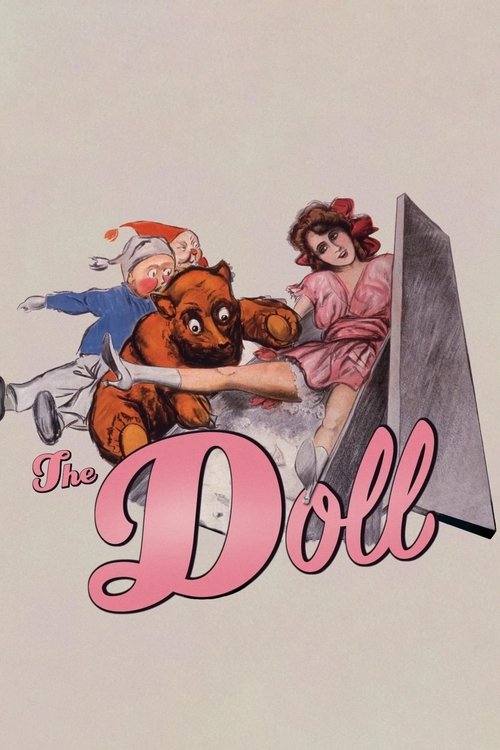
The misadventures of an effete young man who must get married in order to inherit a fortune. He opts to purchase a remarkably lifelike doll and marry it instead, not realizing that the doll is actually the dollmaker’s flesh-and-blood daughter in disguise.
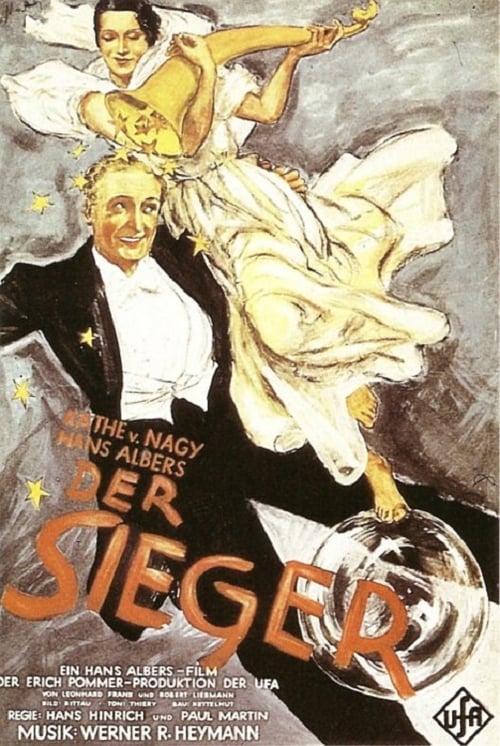
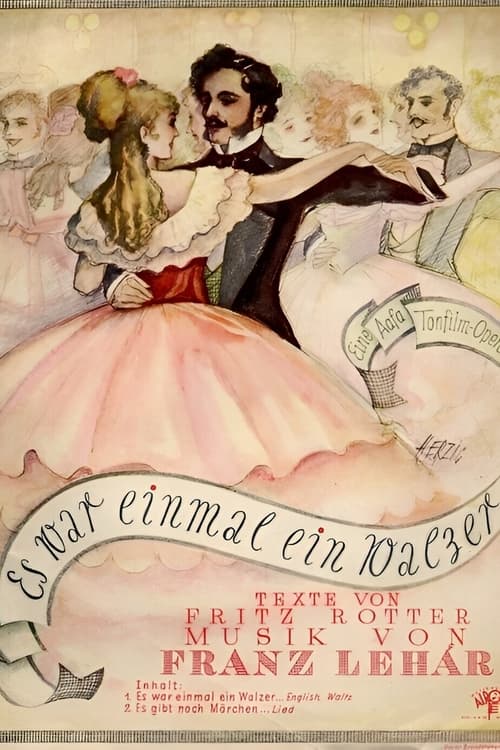
Banker Rudi Moebius and his counselor arrive in Wien for an arranged marriage which should solve their financial problems. Only they don't know, but Lucie Weidling is broken too, and in love with Gustl, a musician without the courage to elope. Meanwhile Rudi meets Steffi and falls in love not even knowing her name. He and Lucie become good friends and decide to help each other.
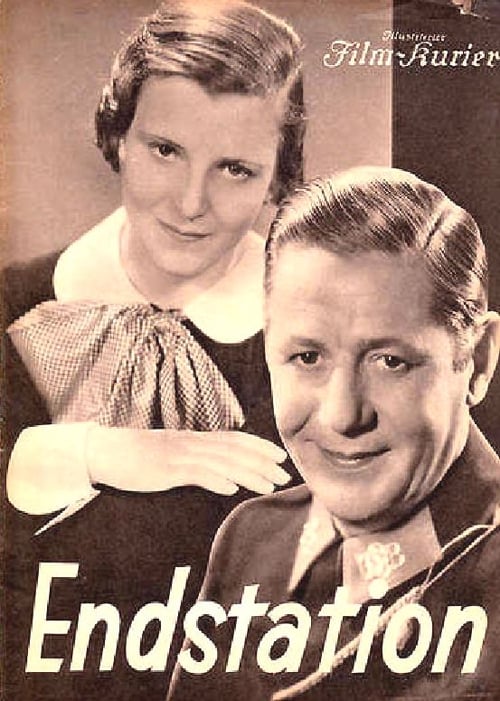
Endstation offers the American viewer tantalizing glimpses of busy, bustling mid-1930s Vienna. Otherwise, this minor yarn of an amorous streetcar conductor is strictly formula material. The film benefits from the star power of Paul Horbiger, resplendently garbed in an elaborate conductor's uniform. Also worth noting is the performance of Maria Andergest as the woebegone hatmaker whose fate is inextricably linked with hero Horbiger. Incidentally though the direction is credited with one E. W. Emo, Paul Horbiger actually called most of the shots on Endstation.
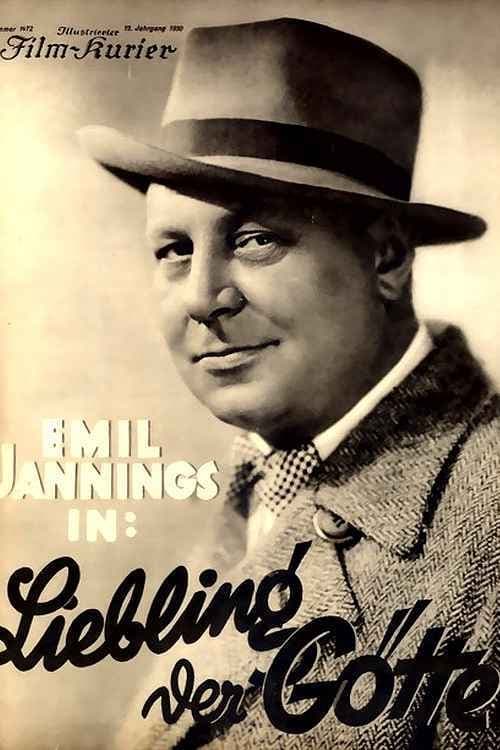
Also known as Darling of the Gods, this was Emil Jannings' second talkie appearance. Jannings stars as famed operatic singer Albert Winkelmann, who is greeted with cheers, applause and romantic propositions whenever he performs in his native Vienna. But when he embarks on a tour of South America, tragedy strikes. The sweltering climate causes Winkelmann to lose his voice on stage, a disaster met with hoots and cat-calls. Dispirited he returns to Europe, where he soon learns that no one is aware of what happened in South America. Intending to retire so as not to be exposed to further humiliation, Winkelmann is goaded back on stage -- where, miraculously, his gorgeous voice returns.
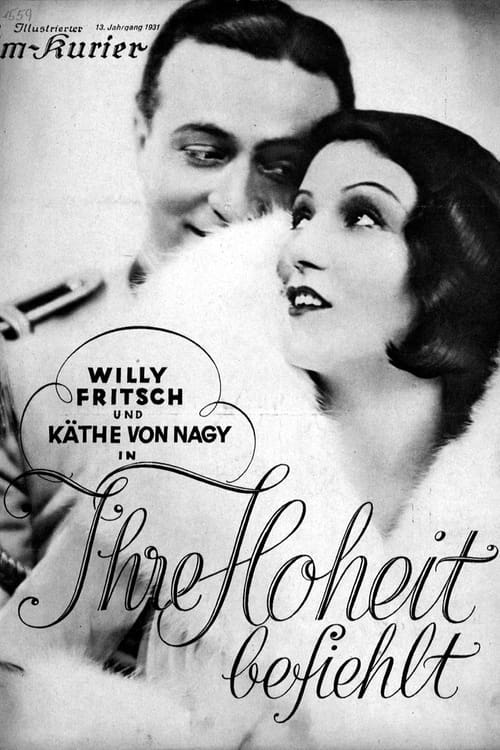
An emancipated Princess, who has just returned home to her court in the Balkans from England, goes in disguise to a servants’ bal and falls in love with an alleged caterer, who turns out next day to be a lieutenant of the guard. Without letting on to her masquerade, she makes sure he climbs the ranks quickly. At the same time, she tries to thwart her engagement to an unpopular prince.
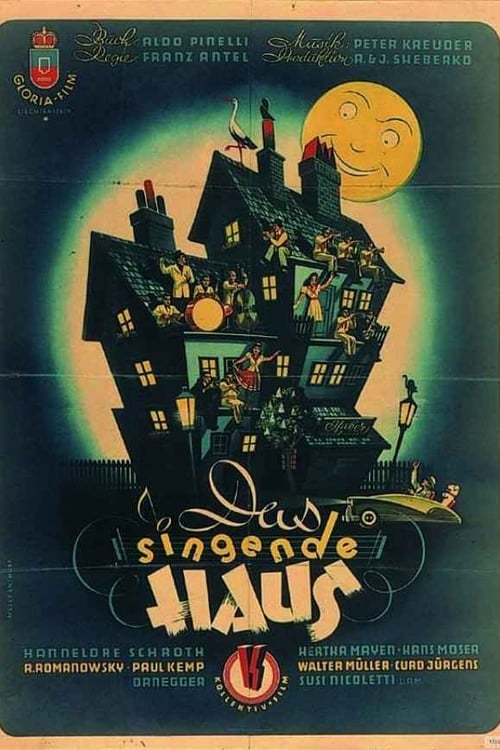
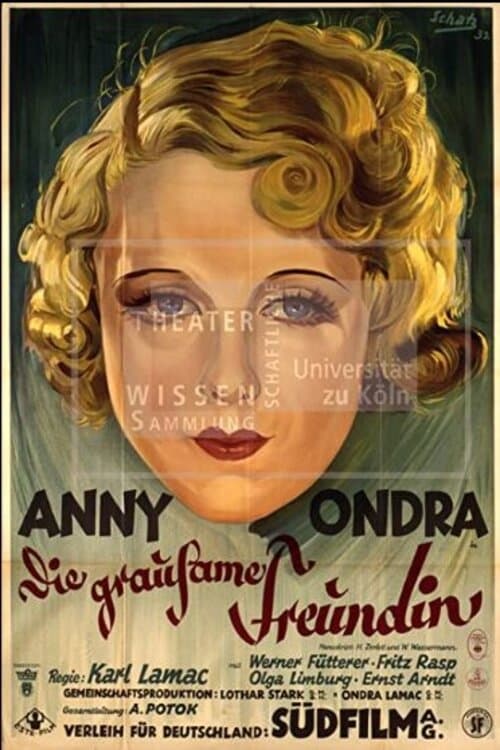
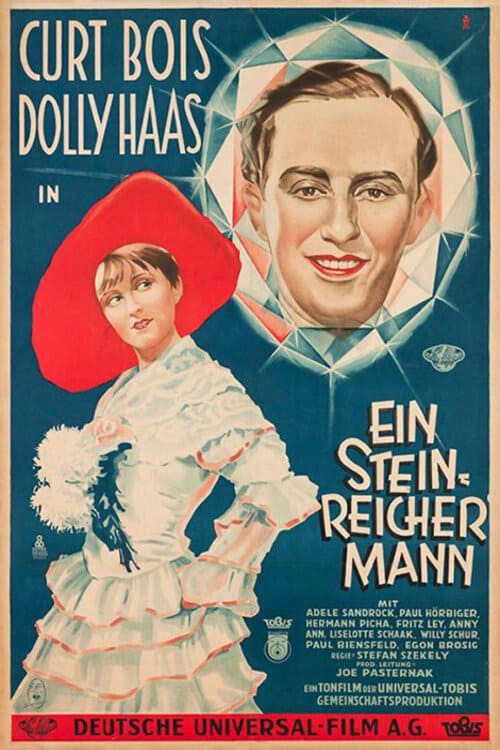
A man swallows a diamond - and suddenly all people around him change their attitude towards him.
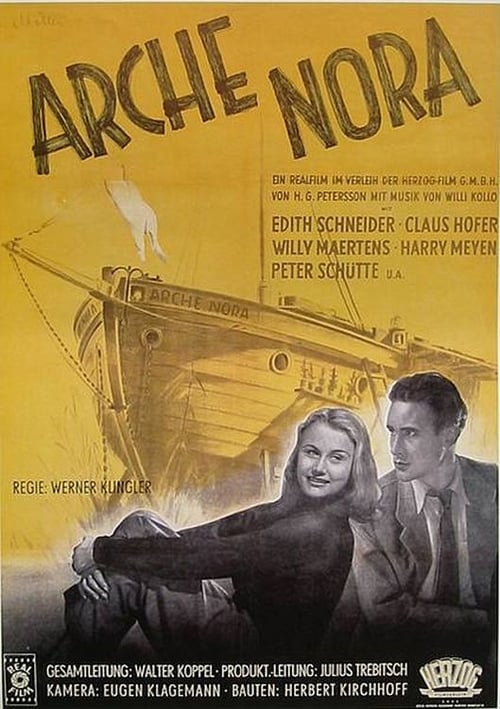
In the early years after the end of the Second World War. Germany lies in ruins and the young people only want to look ahead, in search of a little private happiness and a better, peaceful future. For the two young war returnees Klaus Schriewer and Peter Stoll, who have secured their economic survival with a small handcart transport business, this first means looking for a reasonably habitable place to live. The two friends have identified a shipwreck, a former fishing trawler, which they call "Noah's Ark" and which they want to refurbish into a habitable home...
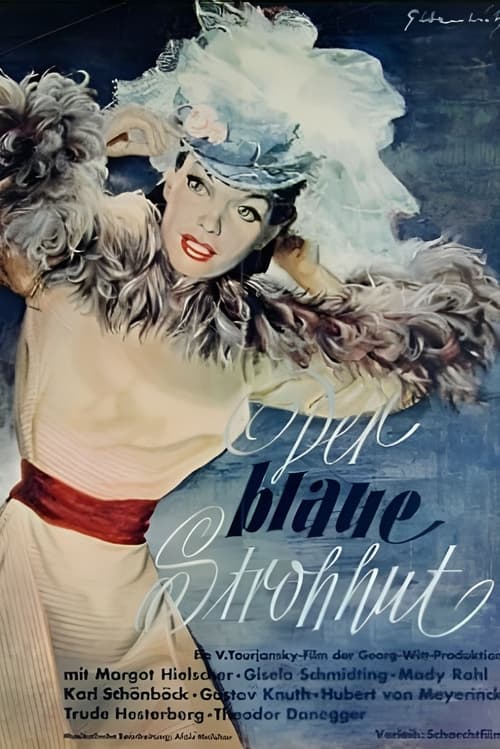
Pretty hat-saleswoman Lola wants nothing more than to become an operetta singer. Unfortunately, it isn't so easy to make it in the music business. Operetta diva Isabella, on the other hand, is sick and tired of performing and leaves the stage, despite the fact that her partner begs her to stay, because without her he can't premiere his latest work on the stage.
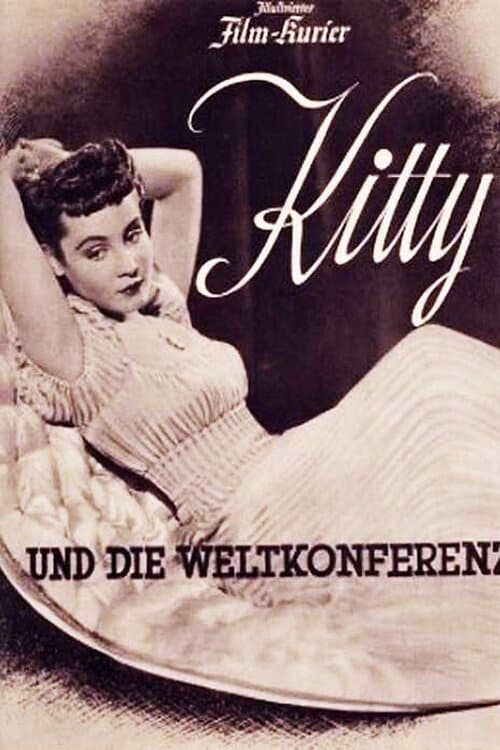
The setting is Lugano (Switzerland), where an apparently very important world conference takes place. The film tells the story of the young Kitty (Hannelore Schroth), who works as a manicurist at the Eden Hotel, and who in the course of events gets to know both a young journalist (Christian Gollong) and the English minister of economics (Fritz Odemar). A lot of wild mix-ups, comic situations, a love story and occasional singing ensue, and in the end most of the VIPs have gained their share of laughter… There’s also a great performance by Paul Hörbiger as the hotel porter. For a 1939 film made in Germany, “Kitty” is remarkably irreverent and satirical about politics.
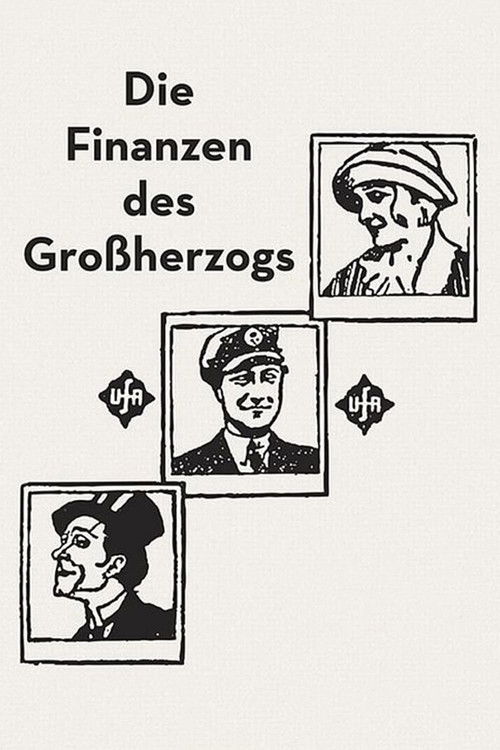
The likeable and carefree Grand Duke of Abacco is in dire straits. There is no money left to service the State's debt; the main creditor is looking forward to expropriating the entire Duchy. The marriage with Olga, Grand Duchess of Russia, would solve everything, but a crucial letter of hers about the engagement has been stolen. Besides, a bunch of revolutionaries and a dubious businessman have other plans regarding the Grand Duke. With the intrusion of adventurer Philipp Collins into the Grand Duke's affairs, a series of frantic chases, plots and counter-plots begins.

Young Count Georg Wolkersheim is sent to the Congress of Vienna to represent the interests of his country, Reuss-Schleiz-Greiz. Tensions arise between the count, his wife Melanie, and their two chamberlains, and when the four attend a court ball, Melanie leaves Georg, assumes the identity of a famous actress, and attracts the affections of Crown Prince Ludwig of Bavaria.

In the very old-fashioned town of Ostend suddenly 13 suitcases are delivered to the Grand Hotel, with a note, that O.F. will be here soon and needs 6 rooms. This event, probably the biggest in 300 years, starts a small wave of modernisation, yet everybody is wondering who O.F. is.
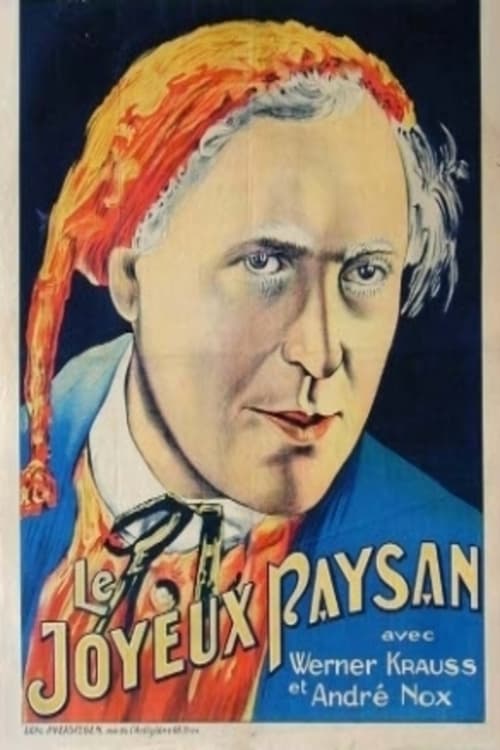
The Merry Farmer is based on the 1907 operetta of the same name.
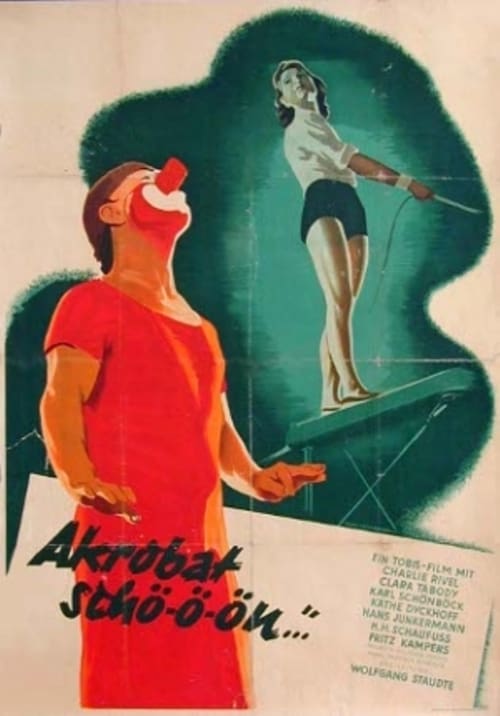
Charlie, a very gifted, young acrobat, cannot find employment. A dancer and colleague, whom he trained, has gotten him a job as a stagehand at a vaudeville theatre. After a number of chaotic events and some highs and lows - none of which ever discourage him - his hour arrives: an act can't go on and "Akrobat schööön" can finally make his grand entrance.
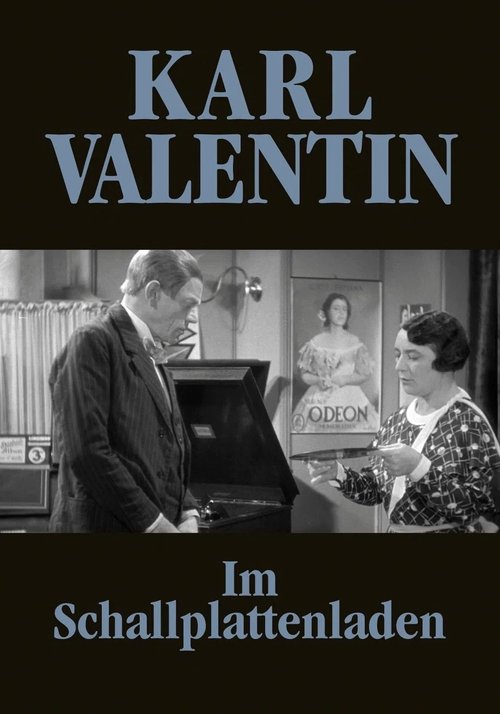
A customer (Karl Valentin) tries to buy a record in a record store but can not decide what he actually wants. The saleswoman (Liesl Karlstadt) tries to help him – which is in vain, as the customer eventually damages various records and even a complete cabinet during his visit.
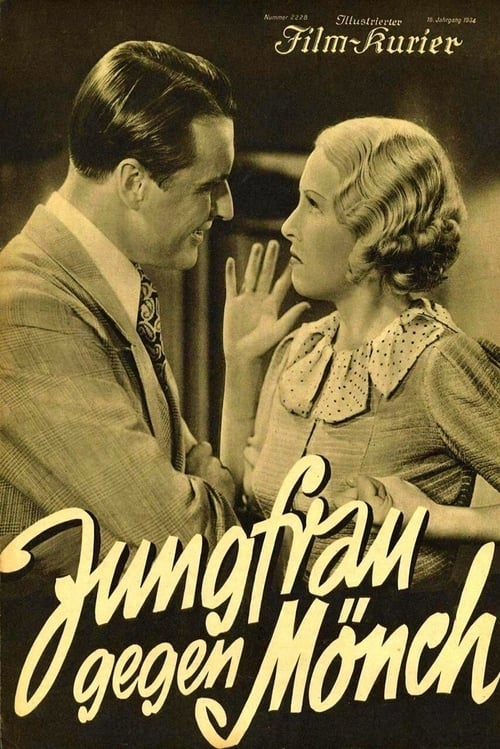
Mutz Hagedorn has just graduated from grammar school, much to the delight of her aunt Jenny, who cares for her like a mother. Then she learns from notary Strohbein that she has inherited the hotel “Zur Jungfrau” from her uncle, it is located on Lake Constance in Üttlisborn. On the way there, she meets the winsome Konrad on the train. Both have the same destination, only at the train station, their paths split. When she then stands before “her” hotel, she’s appalled. The “Jungfrau” is an old, dilapidated eyesore, because people with taste put up at the “Mönch”, which is owned by the Leitner family. Both families have been at odds with each other for years. Then, Mutz learns from Konrad that he as well is a Leitner and the owner of the “Mönch”. Now, she wants to be victorious, win the trial once and for all. Konrad accepts the challenge. Firstly, the “Jungfrau” is turned into a modern hotel in no time.
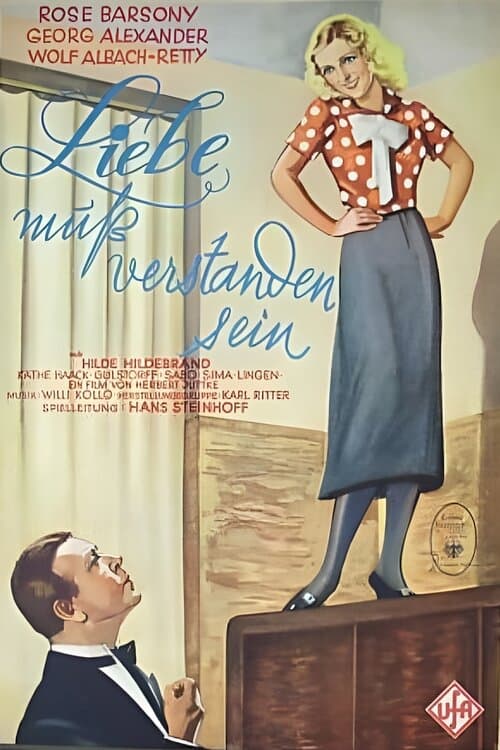
The stenotypist Margit is supposed to take 3,000 Marks to the bank for her boss, Mr. Plaumann, but she lazes away the time window-shopping, and eventually stands before a closed door. She follows Plaumann to Dresden, where he, believing the money is deposited in a bank as a down payment, wants to purchase a newfangled remote control from the inventor Lambach. Since Plaumann’s car breaks down on the road, Margit arrives before him and rests in the seemingly empty hotel room which later turns out to be Lambach’s. Meanwhile, Lambach himself is being spied on by the jealous cousin of his fiancée, who can’t wait to catch him in the act…
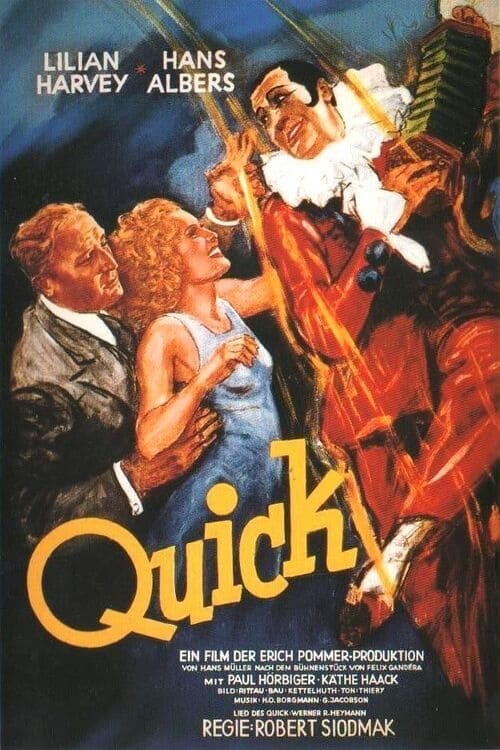
Lilian Harvey plays Eva, a young girl taking some time in a health spa and spending her evenings in the town's vaudeville theatre enamoured by a heavily made-up clown called Quick. Quick takes a shine to her and tries to woo her without make-up and masquerading as the theatre's manager. Unable to resolve her feelings for Quick and the theatre manager, Eva is angered when she finally learns that they are one and the same.
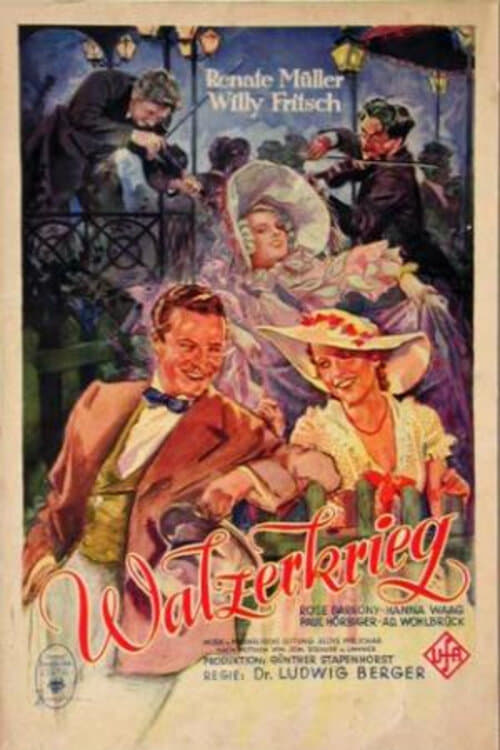
The quarrel between the waltz king Joseph Lanner and his still unknown violinist Johann Strauss. It comes to a break. Strauss is engaged in London and has his first successes there. Thanks to the initially unfortunate intervention of Lanner's daughter, a reconciliation is finally achieved.
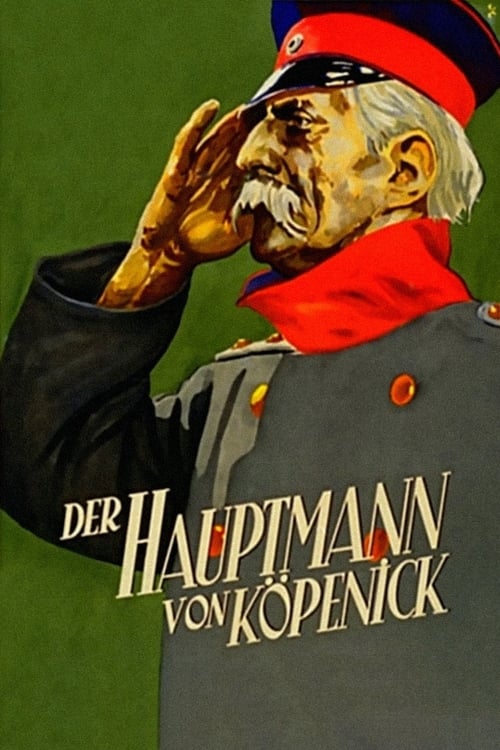
Based on the true story of a cobbler who bought a second-hand captain's uniform, assumed command of a troop of guardsmen, declared the town of Köpenick under military law, arrested the mayor and confiscated the town treasury.
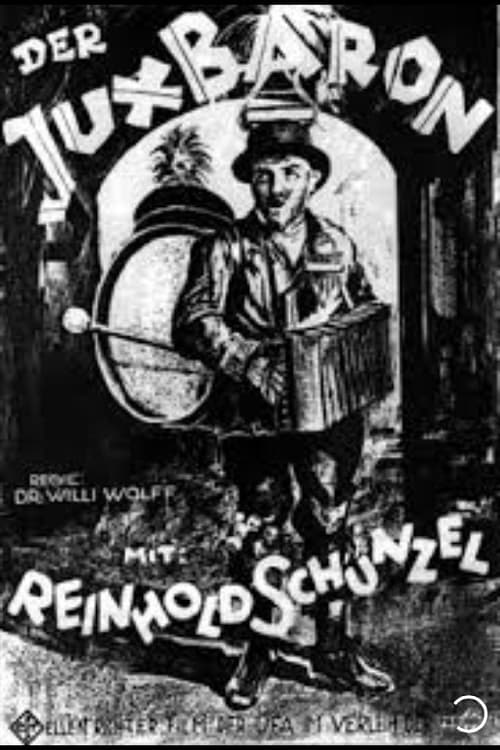
The film follows the comic (mis)adventures of a poor street musician, who is roped into posing as an eccentric nobleman. He and his antics are rapturously received by the members of a bourgeois family desperate to mingle with the aristocracy. The daughter of the family takes a fancy to the baron (in reality, merely a “joke baron”), assuming him to be immensely wealthy.
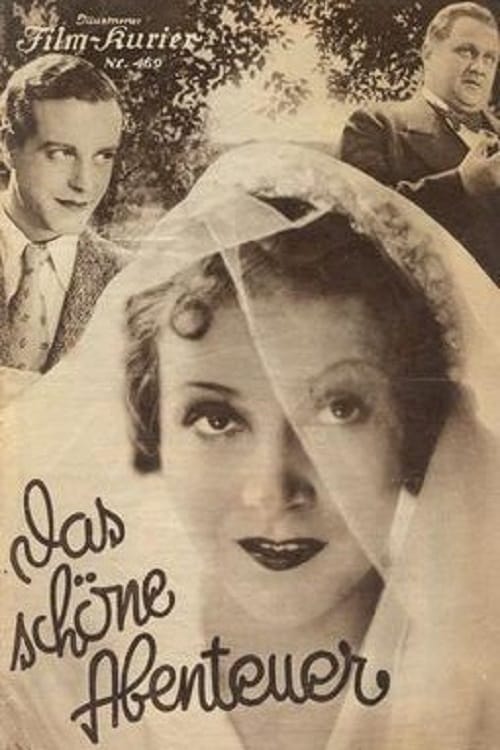
Helene has agreed to marry a man that she isn't in love with. On the day of her wedding her cousin arrives just in time to rescue her and they run away together. They stay with her aged grandmother who assumes the young man (whom she doesn't know) to be the new husband and has prepared a bridal bed for them.
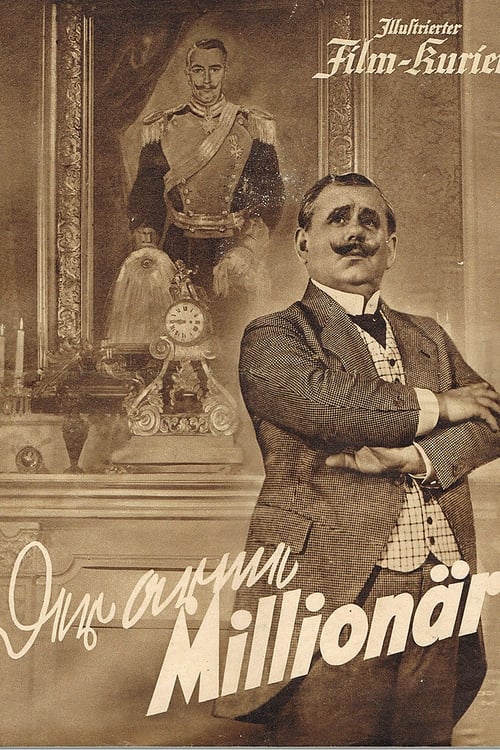
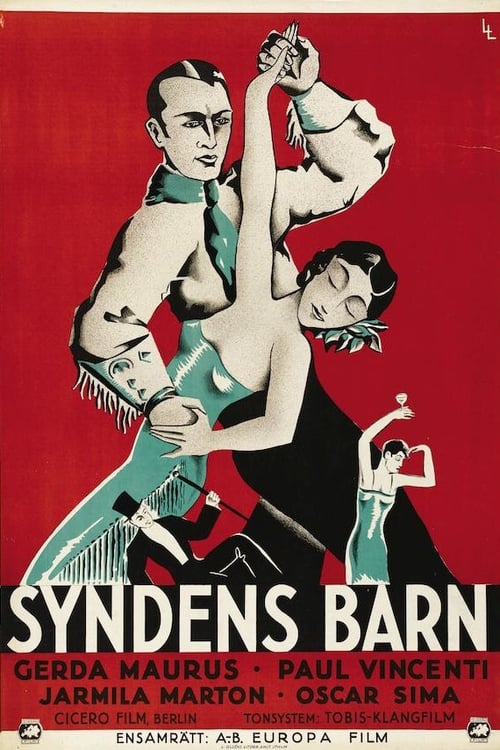
When both husband and wife find romance outside their marriage, it's a shock to everyone. Robert and Annemarie break up to elope with their respective lovers, only to be thrown together again when they show up at the justice of the peace.
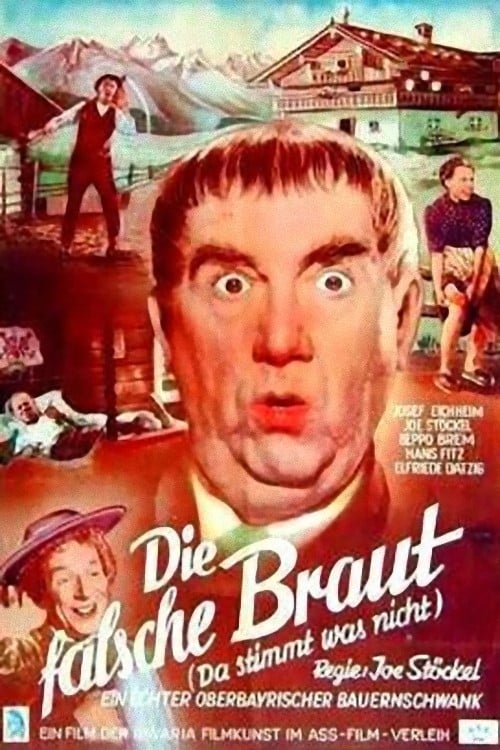
There's only one way for the farmer Assbichler to save his farm from ruin: he has to marry off his son Toni to the pretty Rosl, the daughter of the rich farmer Pius Mang. Mang, however, wants his daughter to marry a well-off man; and so Assbichler has to borrow some cattle to give the farm the appearance of a large farming estate.
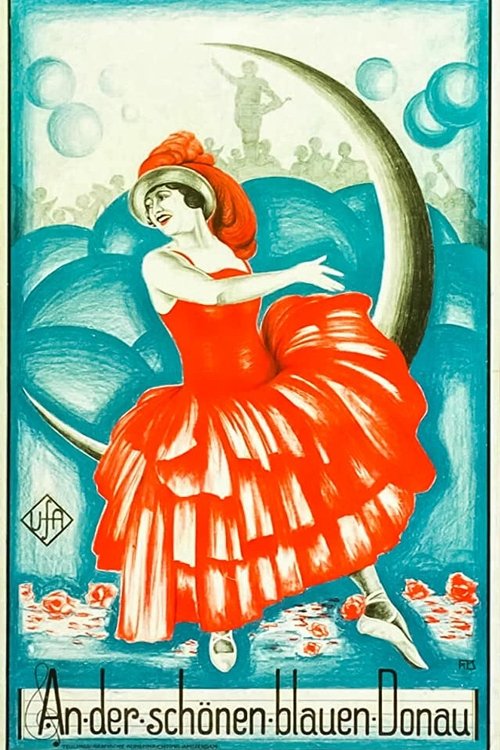
Popular comedy about a flower seller who cannot afford to pay a tax for having a little dog as her companion, and the new candidate for the post of burgomaster she endangers.
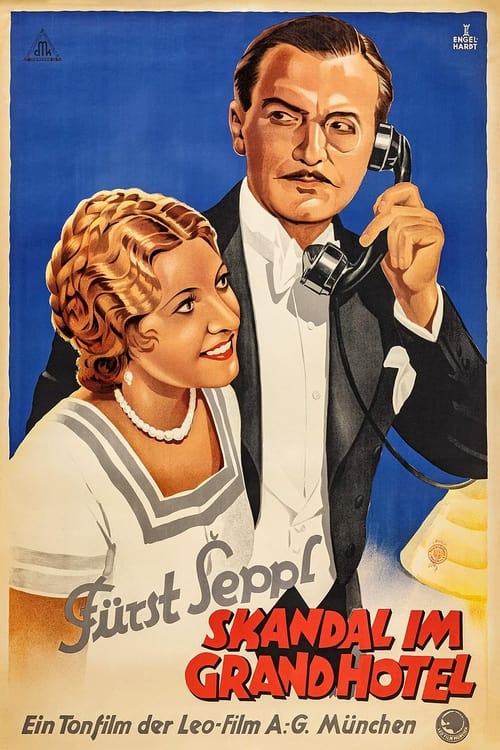
A simple inn in the mountains is transformed into a grand hotel.
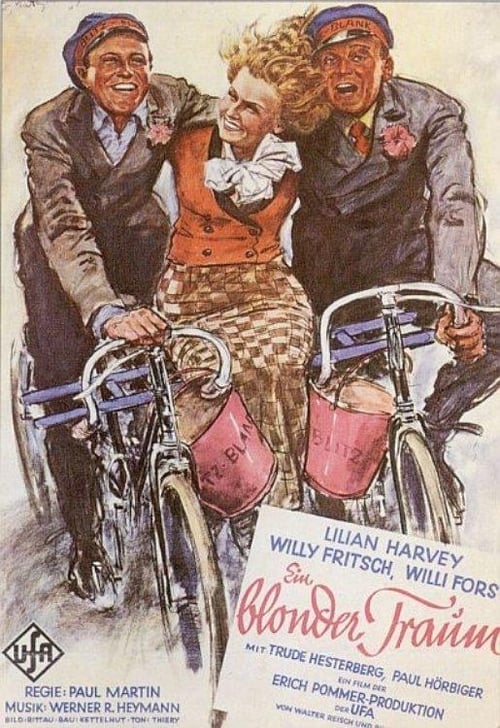
Rival window cleaners Willy I and Willy 2 befriend Jou-Jou, an aspiring dancer, who has been tricked out of money by a con-man posing as an American movie mogul, and together they turn an old railway carriage into a "Villa Hollywood" for her.
A grumpy valet takes corrective action with mumbling peevishness in the fortunes of his family household count.