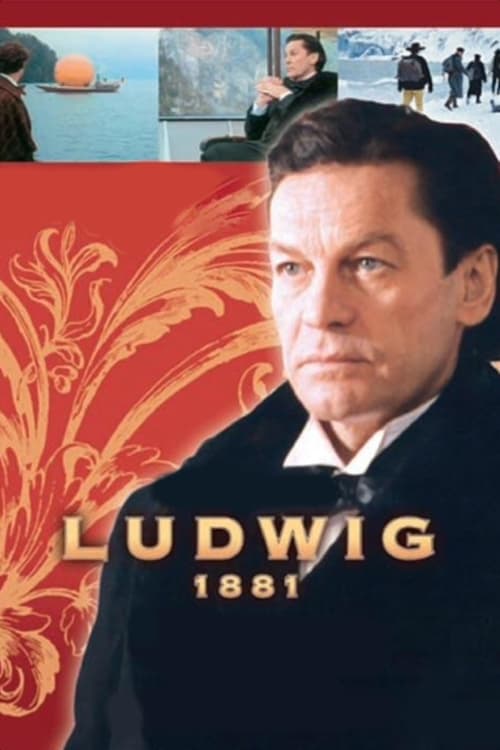
In 1881 Ludwig of Bavaria goes on a cruise on a Swiss lake. He takes with him a famous actor, Josef Kainz, to act out the scenes from a story which took place on the lake, at the actual locations.
Ludwig 1881
4.8 1993
21,413 Matches Found
In 1881 Ludwig of Bavaria goes on a cruise on a Swiss lake. He takes with him a famous actor, Josef Kainz, to act out the scenes from a story which took place on the lake, at the actual locations.
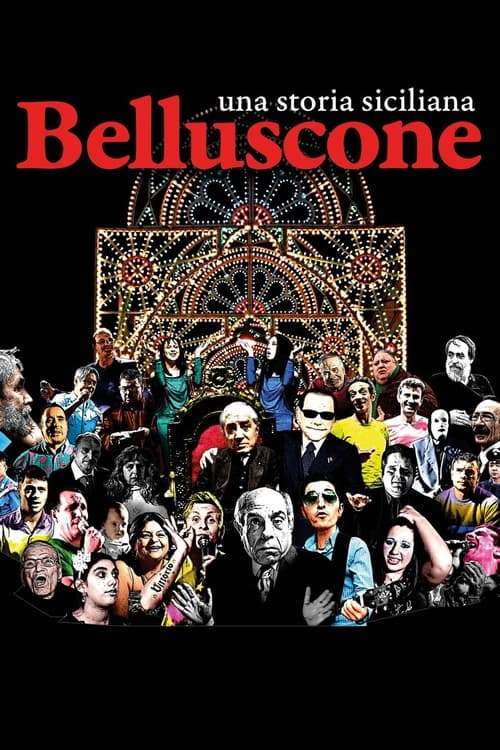
This film tells the story of three defeats: Berlusconi’s political and human defeat in his “twilight”, the one of Ciccio Mirra, Berlusconi’s unconditional supporter, deeply rooted in an ancient culture that dies hard, and the director’s artistic defeat in an Italy that recognised itself in this “Berlusconian culture” for a long time, and probably still does.

The film displays Madame Récamier 's conflict with Napoleon. Twice she was pressed to become one of the Empress's ladies. In revenge for her refusal Napoleon declined to save her husband from ruin.
He is considered the greatest European poet of the Middle Ages and his work unfolds the whole panopticon of occidental education – theology, philosophy, sciences, politics and literature. But who has really read it, the “Divine Comedy”? Who knows more of its creator Dante Alighieri than that he had an eagle-like profile and was in love with a woman named Beatrice? 700 years after Dante’s death, the filmmaker Adolfo Conti travels through Italy with Dante’s words in mind and eyes to see the world as Dante did. As the film encounters the beauty of arts and the Tuscan landscape, the forces of nature, a dramatic life story is unfolded.

Takarazuka Revue Flower Troupe 2002-2003 production of the Viennese musical Elisabeth
The story of the problems caused by what became known as the Conscripton Crisis in 1917 Canada, which threatened to divide the country.

A dark historical drama about two sisters, the man that comes between them, and the tragedy that results. Set in the 1870s.
“Once clothed as an official, you represent law and justice.” This was taught to young detective Xian who worked under Detective “Silent Dog” Ao to catch mountain robbers. To everyone’s dismay, the robbers turned out to be detectives from neighbouring counties who were forced to rob the ruling county to save the poor. Through trickery and lies, Ao started a bloodbath to kill the robbers. Shaken to the core by Ao’s deceit, the originally naïve Xian abandoned his dreams to uphold righteous values. Not to be outdone, he ended up murdering the treacherous Ao for his own gains. With blades and blood, Xian was later hailed as a legendary detective.
Circa late 1930s, Boat Quay, Singapore. A young boy receives an old violin as a gift out of kindness from a foreign trader. From then on, it becomes a treasured possession as he teaches himself to play the instrument over several years, until it was lost during the Japanese Occupation of Singapore. After the war, the violin was found by a man working for the British Military Administration and given to his young daughter. The girl learns to play it and becomes a renowned violinist over the decades. She eventually passes the instrument on to her grandson, an accomplished violinist himself, who restores it and performs in a concert by the Singapore River, where the violin started its unexpected journey nearly 80 years ago.
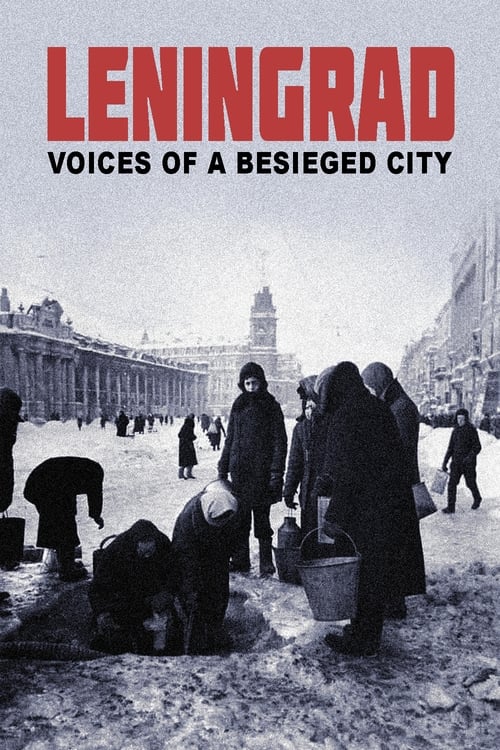
It was one of the great crimes of the Second World War: from 1941 to 1944, a total of 872 days, the siege and starvation of Leningrad by the German Wehrmacht on Hitler's orders lasted. Over a million people fell victim to the blockade, most of them dying of hunger. Countless of these starving people wrote diaries with the last of their strength, and cameramen filmed in the paralyzed city. Evidence from the hell of the siege, many of the film recordings, but above all the written memories on which this documentary on the occasion of the 80th anniversary of the liberation is based, remained under lock and key after the war. The voices of those who had suffered through this terrible time should not be heard by anyone, because they did not fit the pathos of the Leningrad heroic song that was officially sung. Most of the recordings come from women. The writers feared neither the enemy nor the Communist Party or Stalin, who often proved incompetent in providing for the population.
October 7 unleashed a new war in the Middle East, a place where nothing ever seems to be solved, or resolved. Whose land is it really? Who is good and who is evil? How can good prevail over evil without becoming evil itself? Could the fate of the world, of humanity itself, be tied to this conflict? And how does America fit into the picture? Based on Jonathan Cahn’s #1 international bestseller, The Dragon’s Prophecy. The film offers dramatic, never-before-seen live footage of October 7, together with on-site reporting and interviews with major figures like Israeli prime minister Benjamin Netanyahu and U.S. ambassador to Israel Mike Huckabee. It also reveals the astonishing discoveries of biblical archeology, confirming the historic events recorded in the Bible and the ancient presence of the Jews in the land of Israel.
The life of cabaret and theater actress Xena Longenová.
Based on the famous story from the epic Shahnameh.

THE GIRLS IN THE BAND tells the poignant, untold stories of female jazz and big band instrumentalists and their fascinating, groundbreaking journeys from the late 1930s to the present day.


The royal family is in conflict and at its center - a rejected, hurt and injured child who in his adulthood becomes a cruel dictator, a malignant disease that mercilessly brutalizes those who brutalized him. An eloquent and touching murderous clown who takes us on a spectacular journey of self-destruction. The damaged villain who steps on corpses on his way to the throne - is actually a mirror of human society, for all its flaws, a warning light for all of us, because why stop at the family when you can eliminate the country?

No dvd overview found.

The exciting story of the splitting of the atom, a scientific breakthrough of incalculable importance that ushered in the nuclear age, has a dark side: the many events in which people were exposed to radiation, both intentionally and by accident.
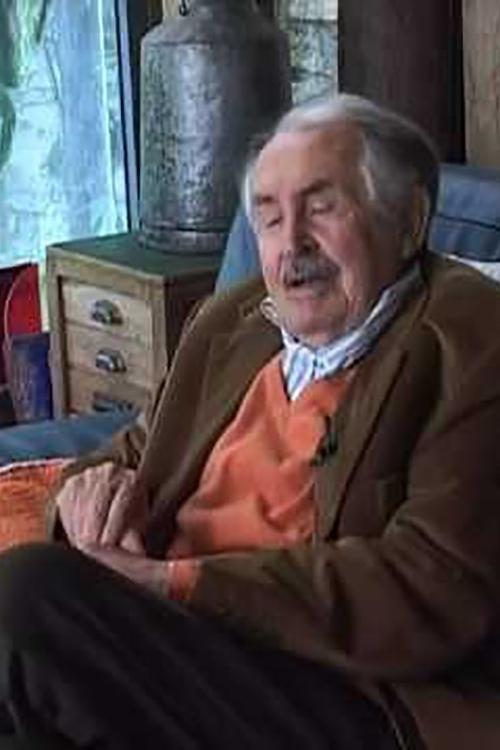
The elegy film is dedicated to the memory of the remarkable Soviet and Russian poet, translator and writer of the second half of the twentieth century, Bella Akhmadulina.
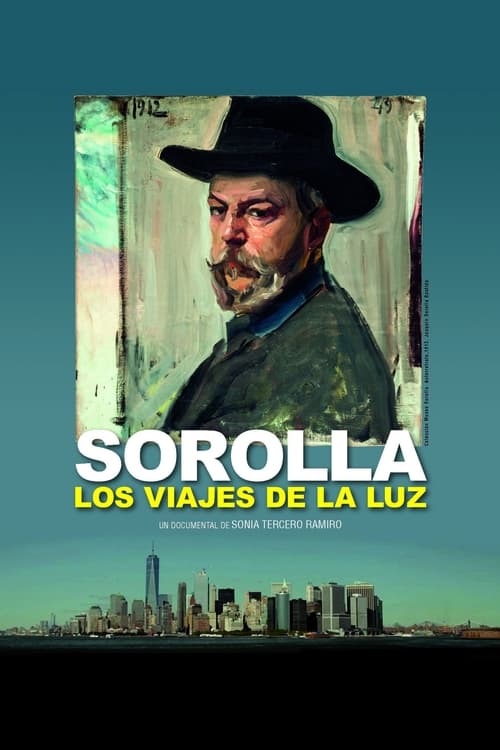
A journey through the life and work of the Spanish painter Joaquín Sorolla (1863-1923), master of Nature, creator of light.
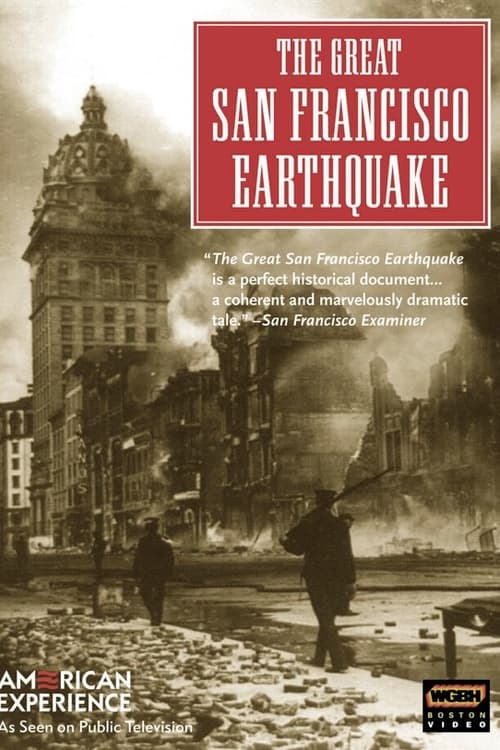
An account of the devastating 1906 San Francisco earthquake and the subsequent effort to rebuild.

The film is the result of a planned trilogy about the kidnapping and murder of Aldo Moro by the Red Brigades first announced by director Grimaldi in 2003: shot in the UK on a low budget, the project was never completed because of lack of funding and other issues, and the existing footage from the first two planned installments was condensed into a single movie and released on DVD in 2009.
Pathologist Abrikosov gets a phone call that a fly has taken a refuge inside Lenin's sarcophagus. No one knows how to get rid of it. Its Mayday 1936 and Stalin himself is about to come to inspect the body prior to Mayday festivities.

Film director and screenwriter Seijun Suzuki (1923-2017), who in the sixties was the great innovator of Japanese cinema; and his collaborator, art director and screenwriter Takeo Kimura (1918-2010), recall how they made their great masterpieces about the Yakuza underworld for the Nikkatsu film company.
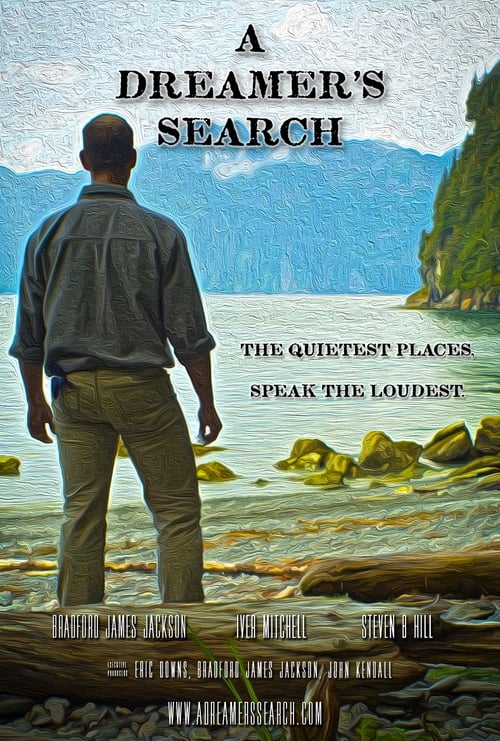
In 1918, Rockwell Kent leaves New York City with his eight-year-old son and travels to the rugged wilderness of Alaska in search of inspiration. Kent settles on a remote island, isolated and free to do his work. He befriends an old prospector whose stories energize his pursuit. As he struggles with internal turmoil, his son’s innocence and willingness to face failure inspire Kent to dig deep inside himself and begin again. Father and son’s connection blossoms as they embrace the wilderness experience together. Surrounded by the quiet magnificence of Fox Island, Kent creates the drawings and paintings that will catapult his career to national success and turn his dream into reality.
1989, New York City's Alphabet City and East Village. A year after the Tompkins Square Park Riot, squatters and their community allies try to stop the demolition of their building after an arson. Police forces occupy the neighborhood while the demolition continues. A portrait of an East Village that is no more. An homage to the voices and sounds of a neighborhood before its gentrification.
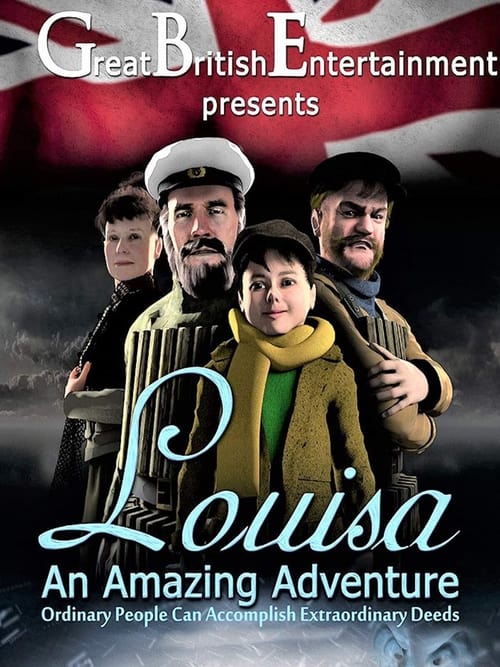
January 1899 saw the worst storm at sea in living memory and the most astonishing lifeboat rescue attempt of the century. The coxswain of the Louisa lifeboat and his daughter struggle with nature, personal loyalty, and their duty to save the lives of strangers. Told via animation, Louisa: An Amazing Adventure is an exciting and uplifting story certain to entertain and charm the entire family.
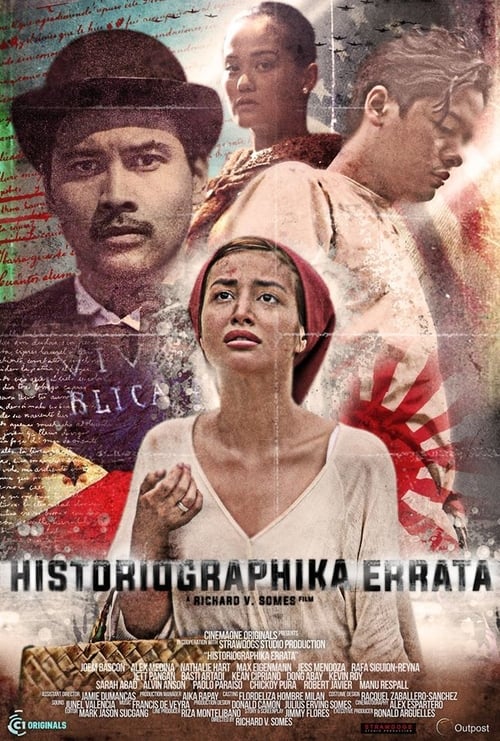
A disillusioned and suicidal Rizal, a cross-dressing Bonifacio gripped with paranoia, an ex-Katipunero who joins the US army to save his own neck, and a widow whose sex-for-food errands lead her to become the first ever Makapili. These are the historical mosaics that will form a singular hypothesis as to why we are like this as a people and up to now still reeling from our damaged culture.
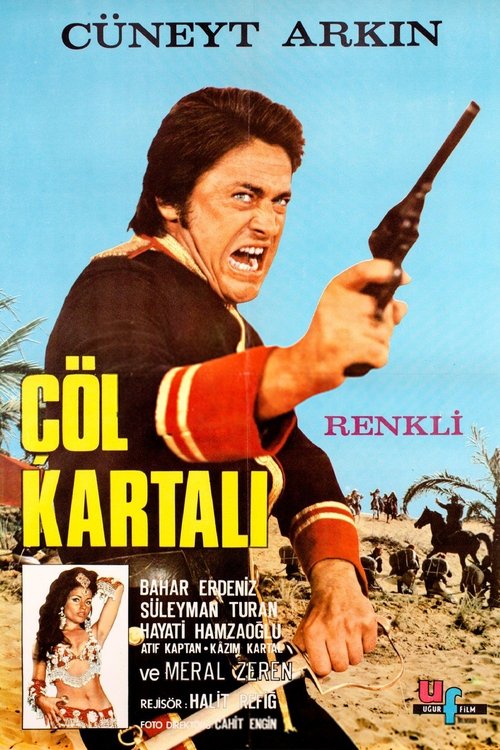
Two young members of the Ottoman army officers who showed heroism in the Yemen desert, fall in love with the same woman, the daughter of their commanding officer, she only loves one and when they both go to Yemen again, Murat one of the officers is lost and thought to be dead. Leyla after hearing this agrees to marry the other officer whom is Murat best friend without knowing that Murat is still alive.

Stage Musical adaptation of Axis Powers Hetalia One day at the World Conference, Germany tries to proceed seriously, but the meeting falls into chaos due to comments from America, Britain, and France. Germany grows impatient, but Italy causes even more chaos...
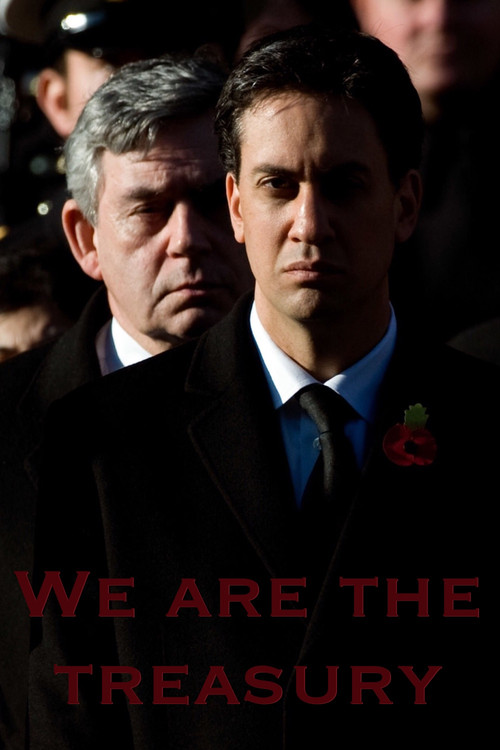
Second part of a two-part documentary following Chancellor of the Exchequer Gordon Brown's transition into government, featuring his first month in office and events leading to his maiden budget.
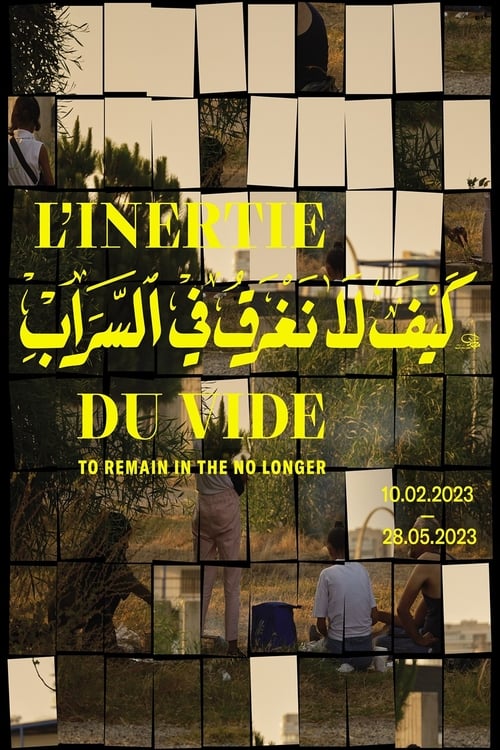
Employing archival materials, interviews, and 16mm and digital film, the experimental documentary explores the political and cultural forces that have come to bear on the site—from its halted construction to its imposed abandonment and attempted reappropriations. How has architecture been instrumentalized in the ongoing construction of a national narrative? What is the role of architects in shaping society within corrupt ecologies of power and failed financial engineering? Film becomes a plastic medium to reframe the positivism of urban masterplans and architectural monuments and formulate a social critique. Modern structures under threat of collapse stand in as protagonists to tell the story of a promised metropolis that never came to be, while the fairground acts as a lens to look at implicit collapse beyond the perimeter of the site.
The final stage of the great artist's life, a stage in which Witkacy decides to destroy himself. A growing sense of danger, the futility of all actions, and fear of what is to come accompany him constantly during his escape from Warsaw to the East at the outbreak of World War II. Everyday facts and events are intertwined in the film with reminiscences and images from his life, supported by the artist's inner monologue. The style of narration and the way of filming make the film a poignant study of the writer's inner disintegration. By emphasizing the painterly quality of the image and introducing dreamlike themes, Kluba captures on screen the characteristics of both Witkacy's playwriting and painting.
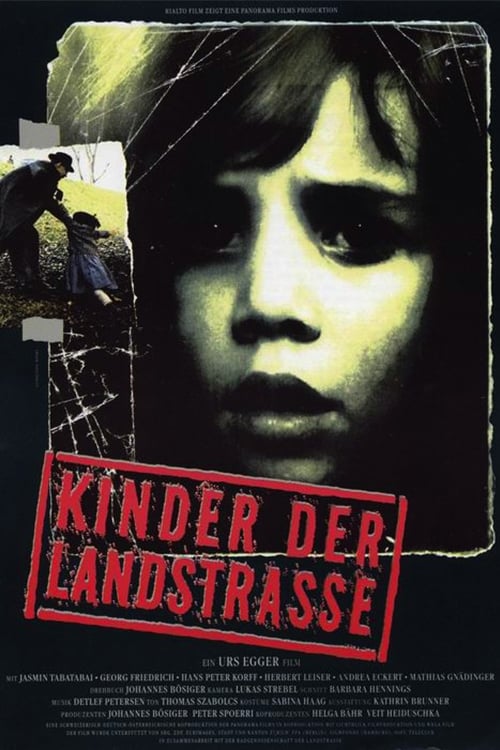
In 1939, after barely escaping the Nazis, a Gypsy family returns to Switzerland only to be torn apart by racial persecution in the benign guise of children's welfare. This fictionalized story of Jana, an eight-year-old Gypsy girl snatched from her parents and consigned to a life of orphanages and bleak foster homes, is based on a little-known chapter of Swiss history: From 1926 to 1972, the state-supported Pro Juventute, a children's aid foundation, forcibly removed some 700 Gypsy children from their families, in order to sever the ties with their culture and assimilate them to a "better way of life." The underlying aim was to preempt a new generation's caravans from following their nomadic traditions along Switzerland's country lanes.
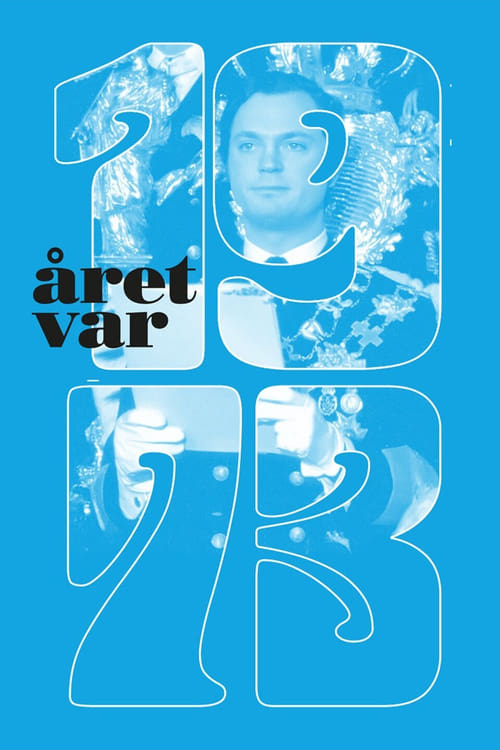
At the end of August 1973, a robber takes hostages at the Kreditbanken at Norrmalmstorg. A week or so later, on September 15, King Gustaf VI Adolf dies in Helsingborg's hospital and Sweden gets a new king: Carl XVI Gustaf. In Chile, the military takes power and the popularly elected president Salvador Allende is overthrown. That and much more in this column about the year 1973.
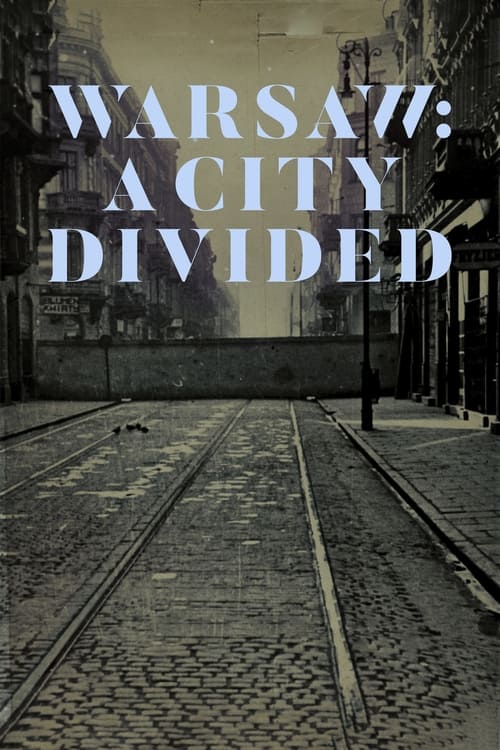
The history of the Warsaw Ghetto (1940-43) as seen from both sides of the wall, its legacy and its memory: new light on a tragic era of division, destruction and mass murder thanks to the testimony of survivors and the discovery of a ten-minute film shot by Polish amateur filmmaker Alfons Ziółkowski in 1941.
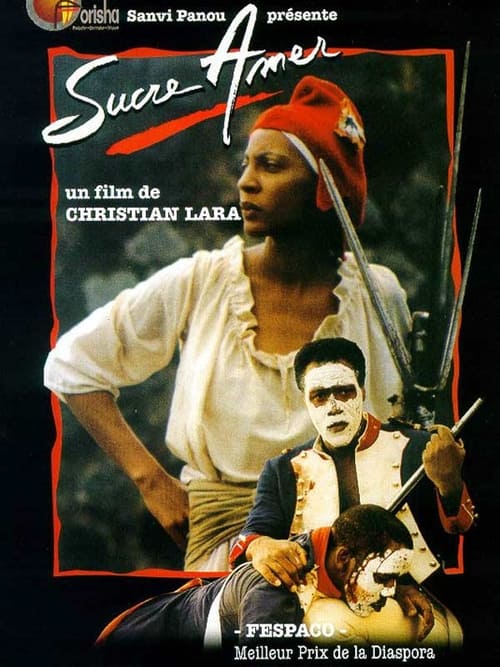
Sucre Amer tells the story of a unique court case in which an event from the past is judged by a court of history. Major figures from history are brought together in the present to re-examine the "Ignace case", about a legendary figure in the history of Guadeloupe who fought against the armies of Napoleon Bonaparte to preserve his freedom. A hero despite himself, Ignace's life and struggle were subsequently consigned to oblivion by his enemies. His treatment has left a bittersweet taste in the mouths of the people of Guadeloupe.
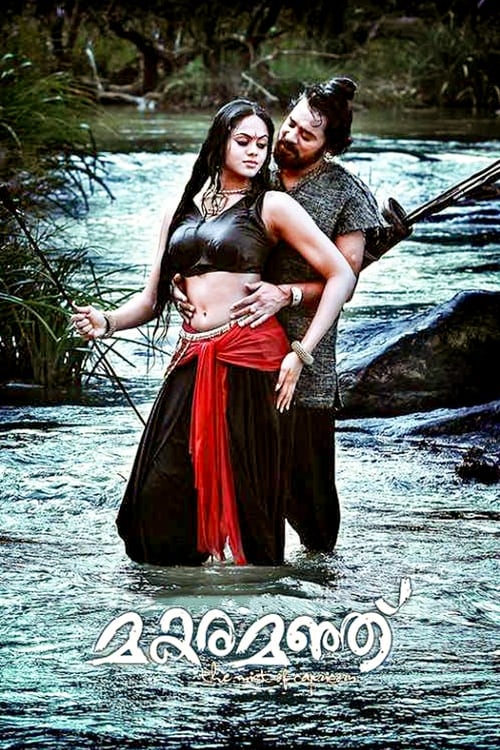
The film tells the story of Raja Ravi Varma at a certain stage in his life. He is in the process of painting a masterpiece. The theme of his painting is Pururavas, the legendary king who fell in love with the heavenly nymph Urvashi, who later agrees to become his wife on certain conditions, but disappears without a trace when she discovers that the conditions were violated. Pururavas wanders all around to find her and ultimately does get united with his lover. Ravi Varma, during his work, finds himself attracted to his model Sugandha Bhai and this relationship begin to acquire certain shades of the legend of Urvashi and Pururavas. Together they are thrown into a torrent of love and passion from which they find it difficult to scape.
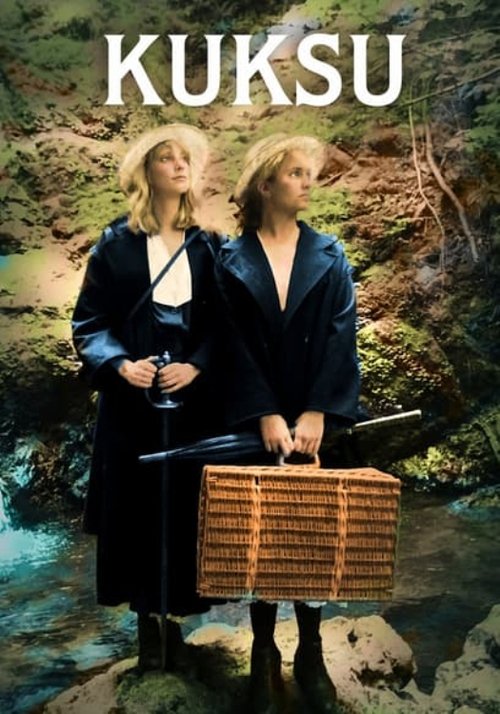
It is 1925. Caroline has become uncontrollable, and psychiatrists can't contain her wild, nocturnal rituals. A writer reconstructs the phenomenon from old photographs and becomes possessed by the story that invades her dreams.
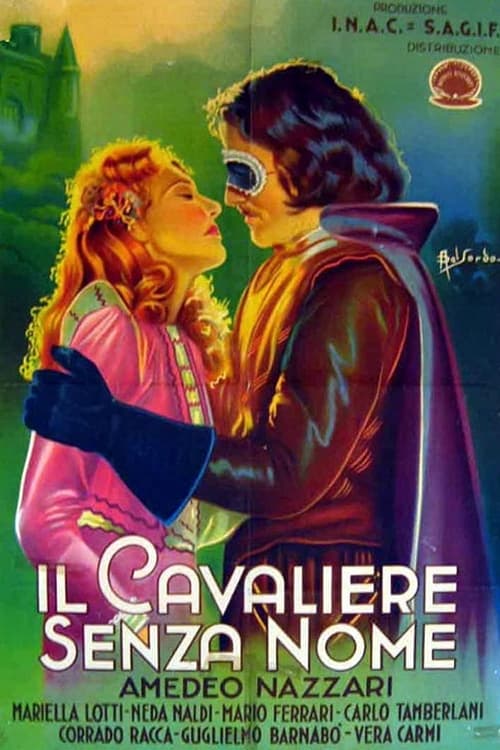
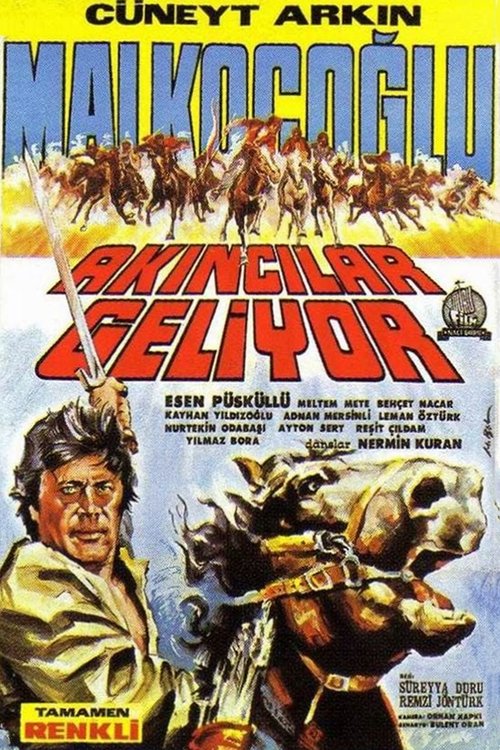
The Serbian state is a friend of the Ottoman Empire, but the Byzantine Empire wants to destroy this friendship. To this end, the Byzantine knight Nicholas will marry the daughter of the Serbian king and has also kidnapped the Ottoman artillery commander. Malkoçoğlu takes action to rescue the artillery commander and prevent the marriage.
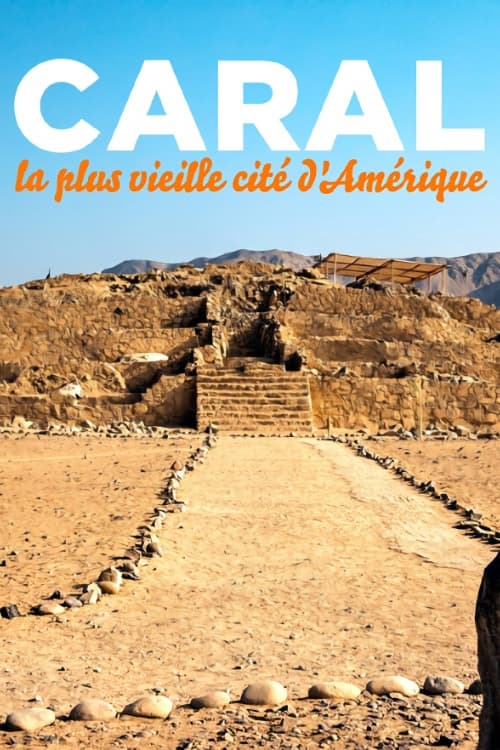
The Sacred City of Caral or Caral-Supe is the capital of the Norte Chico Civilization of Supe located in the Supe Valley, 200 km (124 miles) north of Lima. The Sacred City of Caral is the earliest known civilization in the Americas, it dates to the Late Archaic period. Radiocarbon analysis performed by the Caral-Supe Special Archaeological Project (PEACS) dates its development between 3000 to 1800 B.C.. It is believed that this civilization started by the merging of small villages based on trade of agricultural and fishing products. Its importance rests on the success of techniques of domestication of cotton, beans, potatoes, chilis, squash among other products. Success in agriculture was due to the development of water canals, reservoirs and terraces. They used guano, bird excrement, and anchovies as fertilizer.
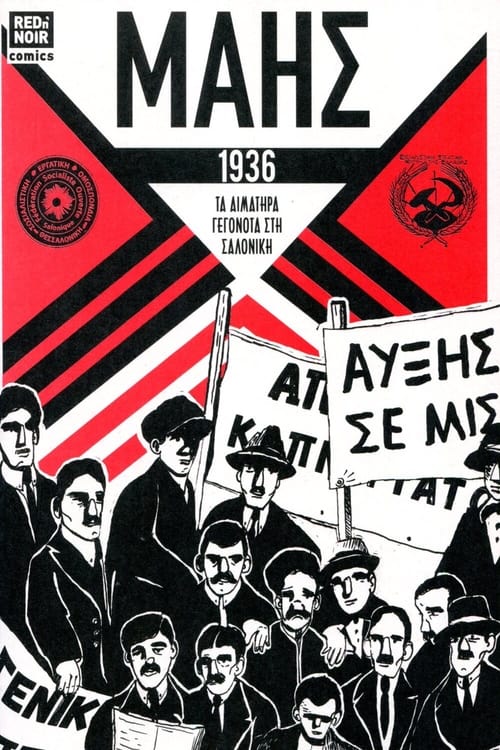
The days of May 1936 in Thessaloniki and the events that led to the bloody clashes between the tobacco workers and the army are described in this film in a clear way. The people are the protagonists, and the narrative does not insist on drama or exaggeration. Of particular importance is also the presentation of the way in which the country was led, through a specific plan, to the dictatorship of Metaxas, on August 4, 1936.

Based upon the life story of Father Antonio Vieira, born in Lisbon in 1608 and deceased in Salvador, Bahia, in 1697. He's considered the first Brazilian writer and one of the most important aesthete of linguistic and of the Portuguese language of all times, a master in the art of metaphor, of verbal relations and analogy. He was persecuted and condemned by the Portuguese Court of Inquisition due to his position against native slavery, against the intolerance to the Jewish people and to the colonial politics of exploration.

Iran, January 16th, 1979. Shah Mohammad Reza Pahlavi flees after being overthrown. Ayatollah Khomeini returns to Tehran and proclaims the Islamic Republic on April 1st, 1979. In the same year, Saddam Hussein seizes power in Iraq and, after several border skirmishes, attacks Iran on September 22nd, 1980, initiating a cruel war that will last eight years. Since its outbreak, correspondent Saeid Sadeghi documented it from its beginning to its bitter end.
Sir John Falstaff, a bon vivant and womanizer, courts Mrs. Ford one day and Mrs. Page the next. They are cheerful but respectable ladies, so they devise a plan to punish the old rogue and teach him a lesson about his immoral advances and womanizing.
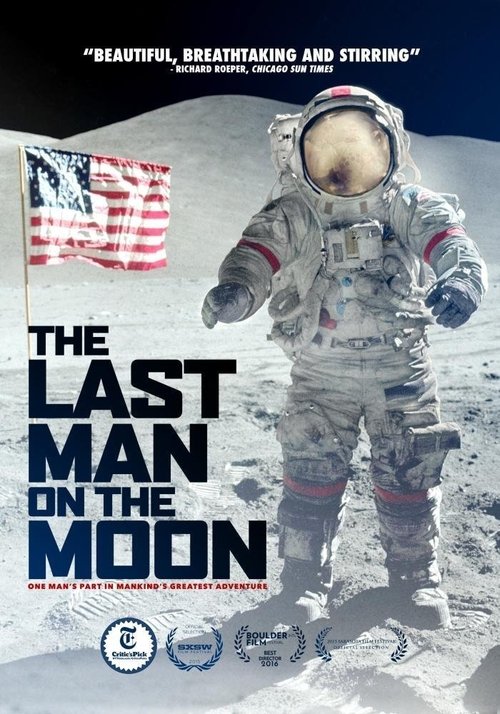
The 1960s was an extraordinary time for the United States. Unburdened by post-war reparations, Americans were preoccupied with other developments like NASA, the game-changing space programme that put Neil Armstrong on the moon. Yet it was astronauts like Eugene Cernan who paved the uneven, perilous path to lunar exploration. A test pilot who lived to court danger, he was recruited along with 14 other men in a secretive process that saw them become the closest of friends and adversaries. In this intensely competitive environment, Cernan was one of only three men who was sent twice to the moon, with his second trip also being NASA’s final lunar mission. As he looks back at what he loved and lost during the eight years in Houston, an incomparably eventful life emerges into view. Director Mark Craig crafts a quietly epic biography that combines the rare insight of the surviving former astronauts with archival footage and otherworldly moonscapes.
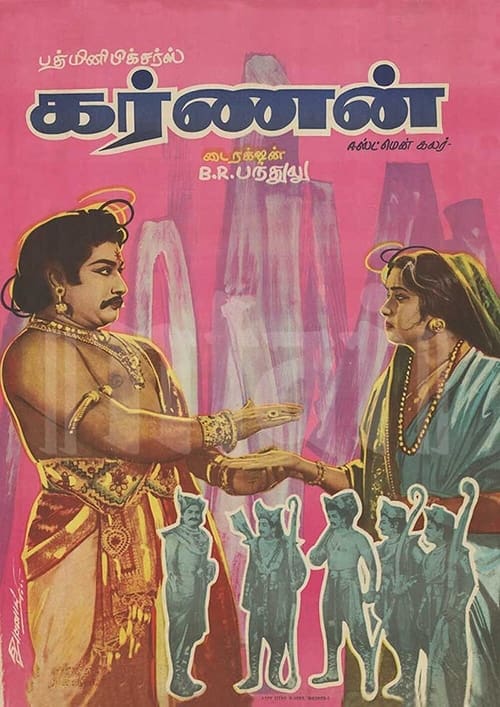
Brave and loyal warrior-archer Karna joins the Kauravas to battle the Pandavas in the Kurukshetra.
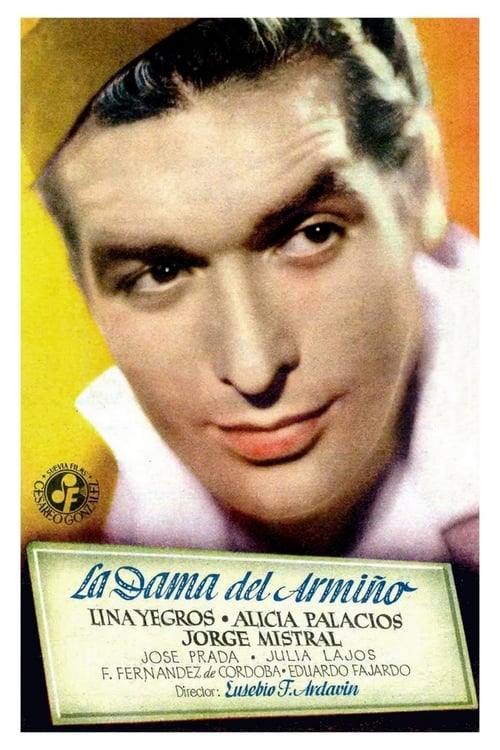
Toledo, 1585. Samuel, a young Jewish goldsmith, falls in love with Catalina, daughter of Doménikos Theotokópoulos el Greco, a famous painter.
In the late 19th century, Bartholdi, a visionary artist, and Laboulaye, a revolutionary-minded lawyer, embark on the seemingly mad project of offering the American people a colossal statue honoring their struggle for liberty and democracy. What begins as a gesture of Franco-American fraternity evolves into the intimate story of an unlikely friendship between two men united by ideals and tested by doubt. Amid detractors, financial obstacles and technical challenges, the construction of the Statue of Liberty becomes a constant battle.
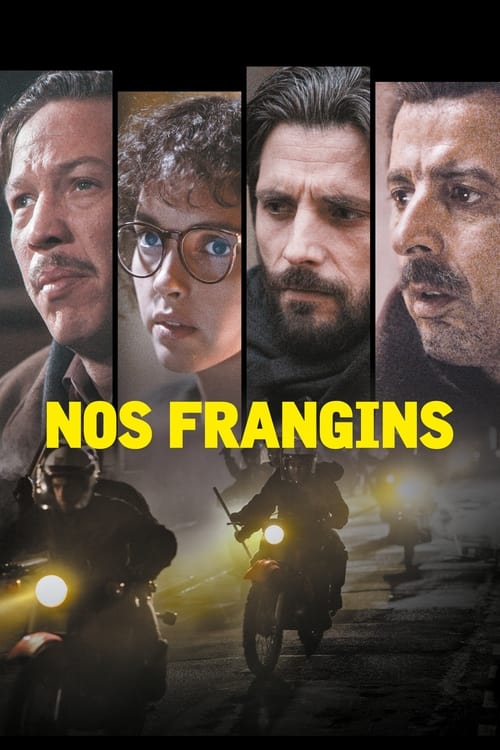
Inspired by the story of Malik Oussekine, an affair of police violence which is believed to have caused the death of 22-year-old Malik Oussekine on the night of 5-6 December 1986, following several weeks of student protests against a university reform bill