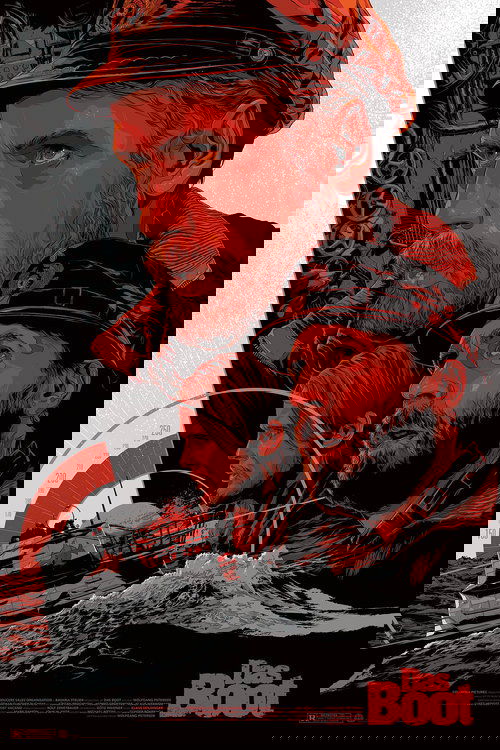
A German submarine hunts allied ships during the Second World War, but it soon becomes the hunted. The crew tries to survive below the surface, while stretching both the boat and themselves to their limits.
Das Boot
8.1 1981
62 Matches Found
A German submarine hunts allied ships during the Second World War, but it soon becomes the hunted. The crew tries to survive below the surface, while stretching both the boat and themselves to their limits.
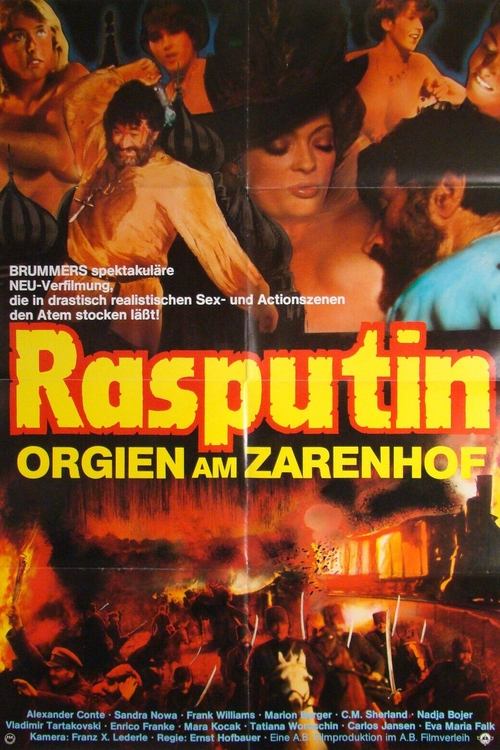
The monk Rasputin is summoned by the Russian nobility to use his healing powers to heal the dying heir to the Russian Empire.
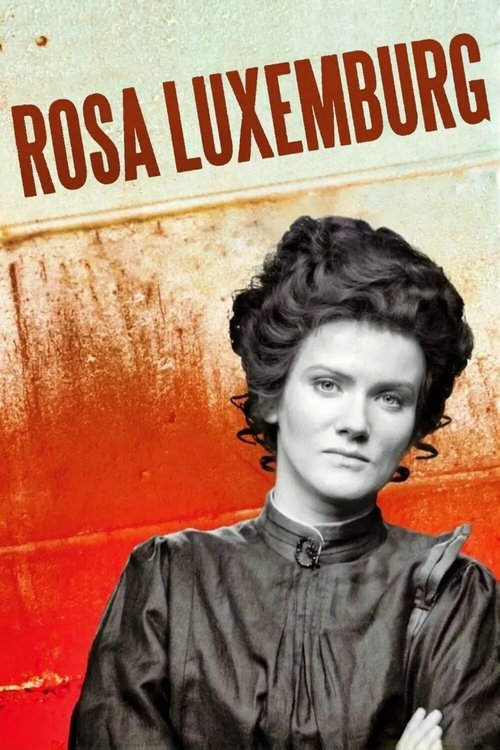
Polish socialist and Marxist Rosa Luxemburg works tirelessly in the service of revolution in early 20th century Poland and Germany. While Luxemburg campaigns for her beliefs, she is repeatedly imprisoned as she forms the Spartacist League offering a new vision for Germany.
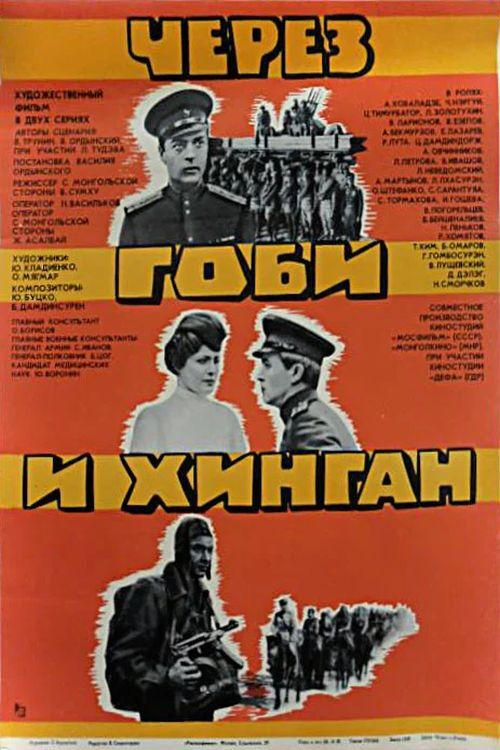
About the events of the final stage of the Second World War — the defeat by Soviet and Mongolian troops of the selected Kwantung army. Bacteriological weapons were created in the laboratory of Japanese General Ishii Shiro. Experiments were conducted on prisoners of war and political prisoners. Epidemiologist Dmitry Sokolov was assigned to solve the mystery of this laboratory. At the cost of his own life, he completed the task. The march of Soviet and Mongolian formations through the Gobi sands and the Khingan spurs was not only a brilliant military operation, but also a warning of the use of bacteriological weapons by Japan.

Set during the fading glory of the Austro-Hungarian empire, the film tells of the rise and fall of Alfred Redl, an ambitious young officer who proceeds up the ladder to become head of the Secret Police only to become ensnared in political deception.

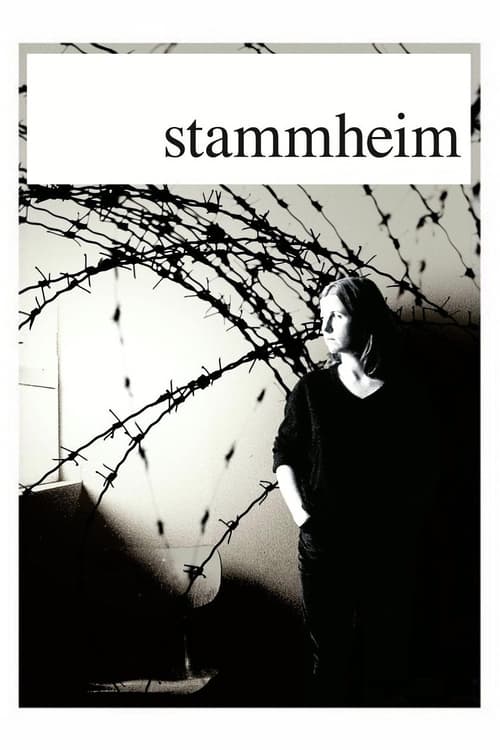
Based on the research for his non-fiction book "Der Baader-Meinhoff-Komplex", "Spiegel" journalist Stefan Aust wrote the screen play to Reinhard Hauff’s controversial feature film that re-narrates the startling trial against the RAF terrorists Baader, Meinhoff, Ensslin, and Raspe. The trial that started in May 1975 in the Stammheim maximum-security prison extended over 192 days and ended with a lifetime sentence for all defendants.
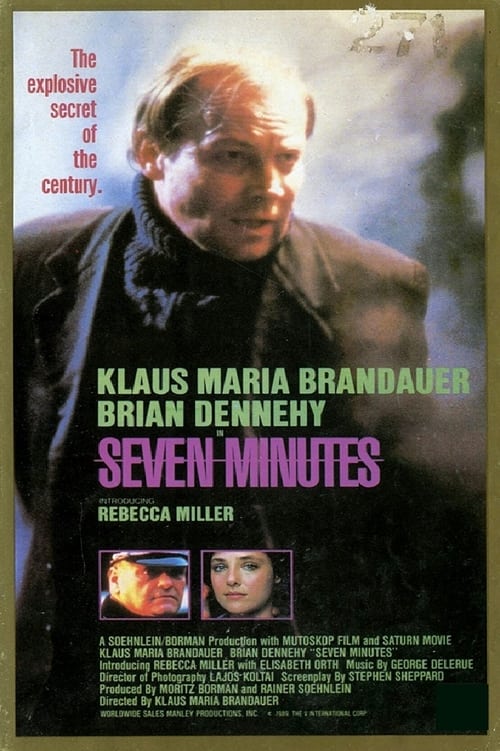
A true story about Johann Georg Elser, a quiet carpenter who tried to assassinate Hitler with an explosive device in 1939.
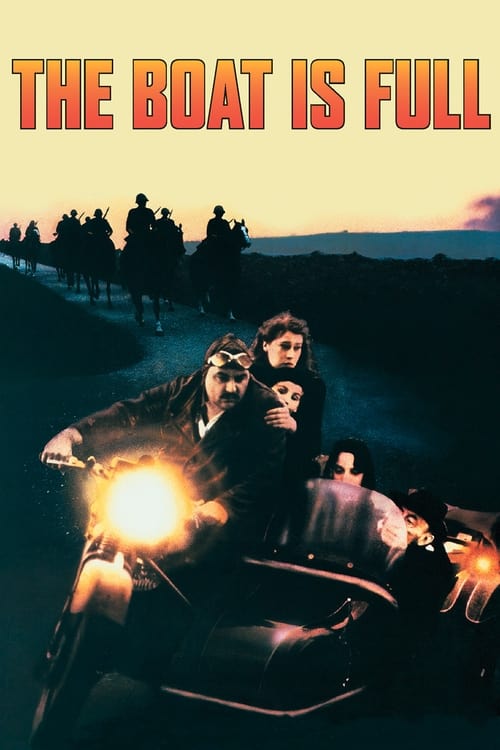
During World War II, Switzerland severely limited refugees: "Our boat is full." A train from Germany halts briefly in an isolated corner of Switzerland. Six people jump off seeking asylum: four Jews, a French child, and a German soldier. They seek temporary refuge with a couple who run a village inn. They pose as a family: the deserter as husband, Judith as his wife, an old man from Vienna as her father, his granddaughter and the French lad, whom they beg to keep silent, as their children. Judith's teenage brother poses as a soldier. The fabrication unravels through chance and the local constable's exact investigation. Whom will the Swiss allow to stay? Who gets deported?

The life of Alexander von Humboldt up to his attempt to climb the Chimborazo in 1802.
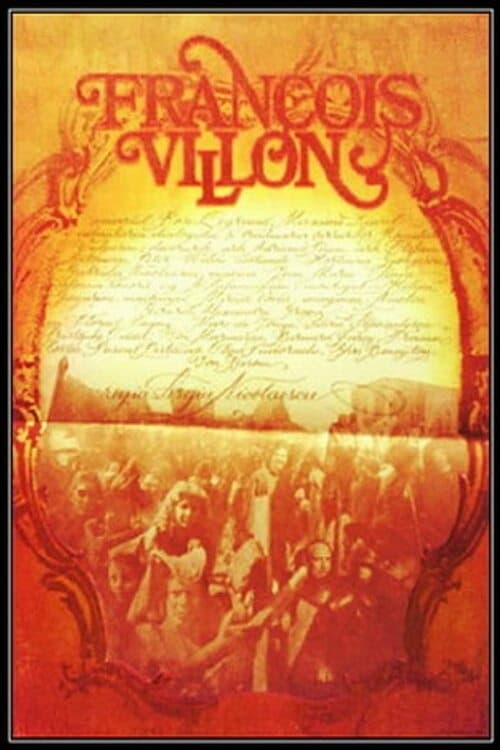
The film is a novelized biography of François Villon (1431-1463), known as the Wandering Poet, who led a troubled life due to the fact that he supported the free expression of people in a coercive climate.
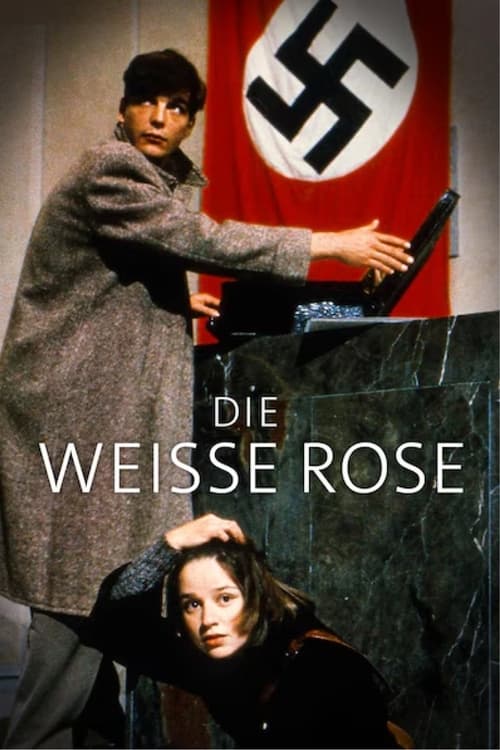
During the Second World War, a small group of students at Munich University begin to question the decisions and sanity of Germany's Nazi government. The students form a resistance cell which they name the "White Rose" after a newsletter that is secretly distributed to the student body. At first small in numbers and fearful of discovery, the White Rose begins to gain massive support after a Nazi Gauleiter nearly incites a student riot after a provokative speech. At this point, the matter is taken over by the German Gestapo, who pledge to hunt down and destroy the members of the White Rose.

Berlin in the 1930s - Adolf Hitler comes to power, communists and social democrats are persecuted, books are burned and Jewish citizens are ostracized. The outwardly shiny façade of Berlin, the capital of the Reich, reveals nothing of the unequal struggle of young people against the increasing oppression...
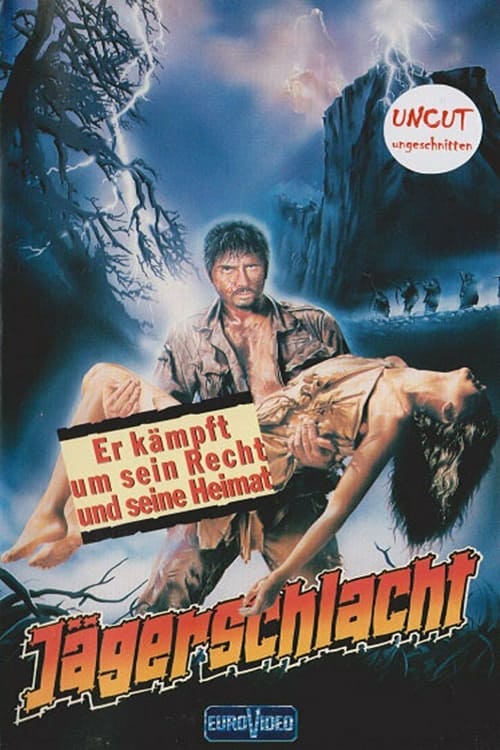
In 1833, the penalty for non-compliance is death! Andreas insists on his right as a free man and fights alone against the entire royal army.
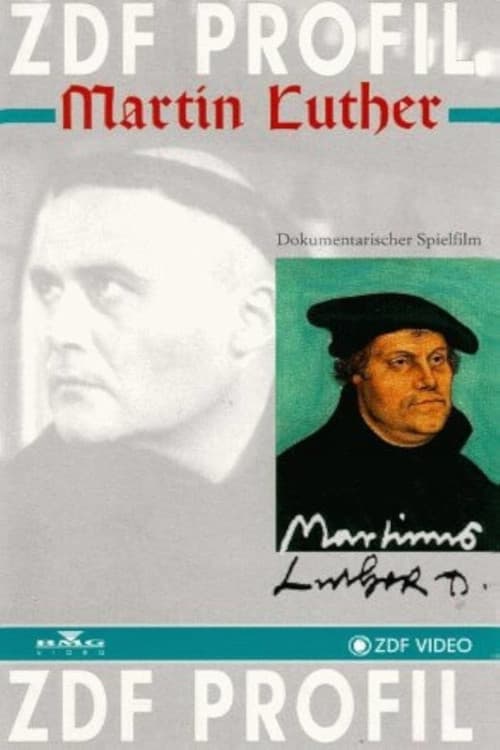
At the beginning of the 16th century, the Christian Martin Luther followed his calling and became an Augustinian monk in Erfurt. However, his life in the monastery confronted him with his fears of a judging God. These were finally taken away from him through the study of his religion, which emphasized a merciful Creator. As a theologian in Wittenberg, he then went public with his 95 theses, which criticized the church's practice of forgiving sins in exchange for money. A momentous dispute began.

Based on the classic 19th century tale by German writer/composer E.T.A. Hoffmann, the film investigates the tale's themes of obsession and madness, emphasizing expressionist imagery and theatrical style. The story relates the life of the young student Nathanael, whose childhood memories are haunted by a sinister man. As a child, Nathanael believed this dark figure to be the mythic Sandman, who puts children to sleep by stealing their eyes. When confronted by this same evil presence as an adult, he is pushed toward madness as he tries to confront his childhood fears.
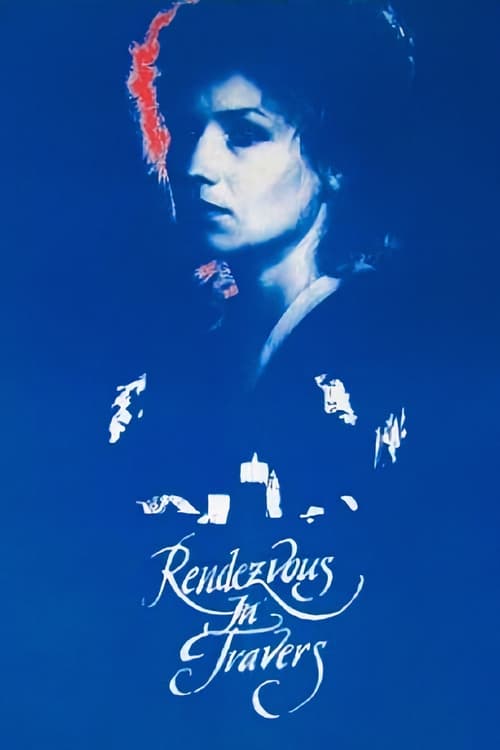
The time is the French Revolution; the place is the village of Travers, ensconsed in neutral Switzerland. Prussian aesthete Herman Beyer is on the verge of divorcing wife Corinna Harfouch. Radical writer Uwe Kokisch, Corinna's lover, hopes to find a way of smoothing out animosities. What follows, however, is a nonstop drinking binge. The film subliminally addresses the then-prevalent issue of a divided Germany. Whether or not it succeeds is unimportant; Treffen in Travers (Reunion in Travers) has proven to be a crowd pleaser wherever it has been shown.
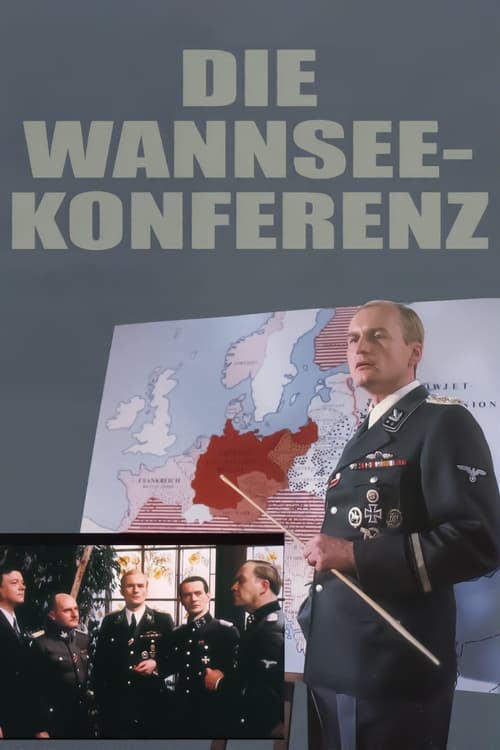
A real time recreation of the 1942 Wannsee Conference, in which leading SS and Nazi Party officals gathered to discuss the "Final Solution to the Jewish Question". Led by SS-General Reinhard Heydrich, the Wannsee Conference was the starting point for the Jewish Holcaust which led to the mass murder of six million people.
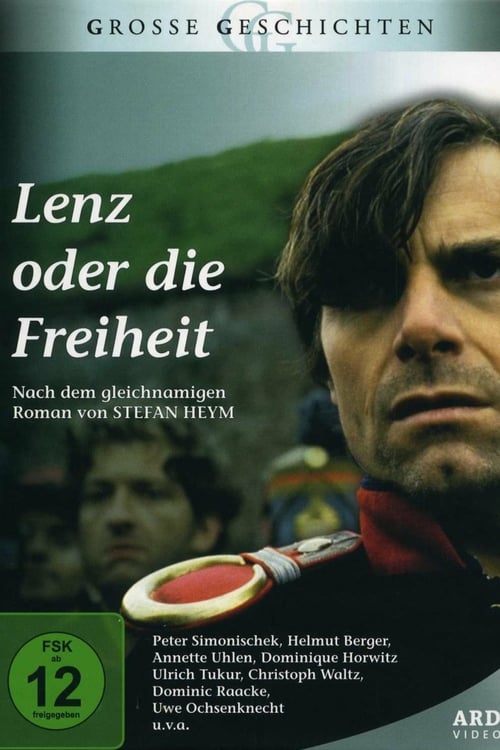
Four-part german limited serial about the baden revolution in 1848 and 1849.
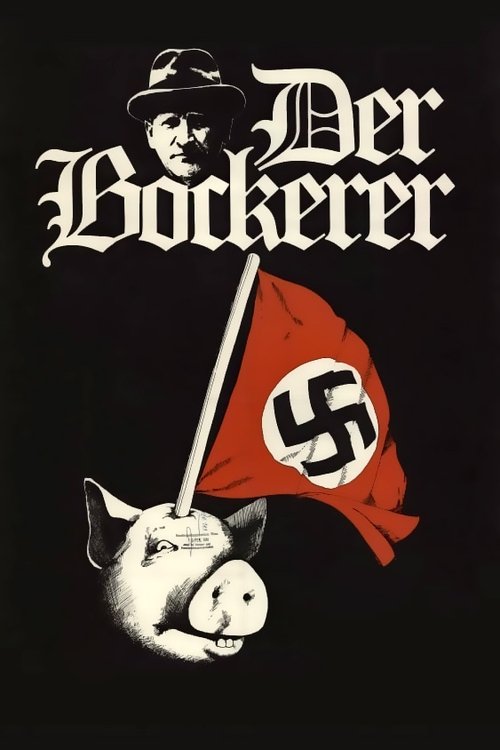
A politically naive Viennese butcher manages to survive the Nazi occupation of Austria and the second world war.

This tragic love story relates ten decisive years in the life of the great Romantic poet Friedrich Hölderlin, played by a young Ulrich Mühe.

Psychological and sociological portrait of Camillo Castiglioni, the king of inflation, who became one of Europe's richest men in the twenties through speculation and war profiteering.

In the dead of night, a few hours after Mozart's death, the usual suspects are summoned to Mozart's room by Count Pergen, head of the secret police, who considered Mozart a potential revolutionary. Over the corpse, he interrogates them, trying to discover the true cause and significance of Mozart's demise.
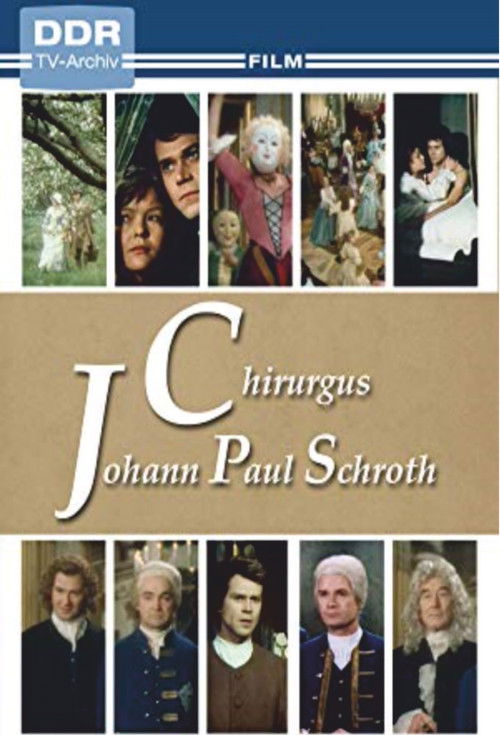
Johann Paul Schroth is a 20-year-old barber's apprentice who breaks out of the barber-surgeon's trade. Schroth wants to realize his dream, which is to put aside the beard knife and use the scalpel in such a way that people are healed and not tortured...
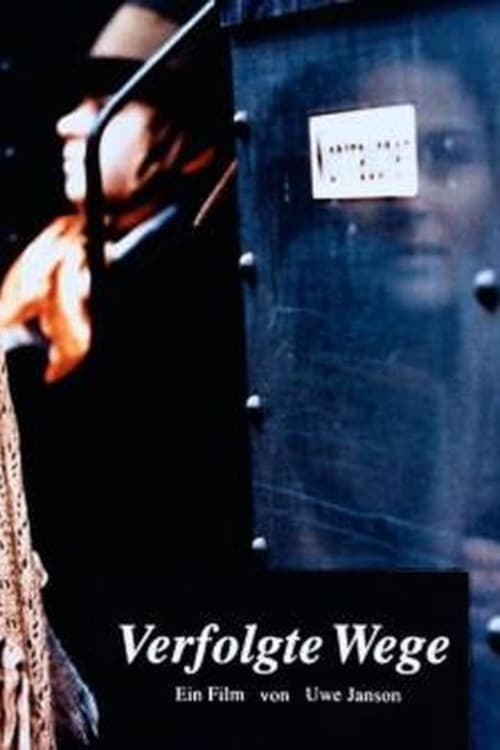
Post-war Germany in 1946 while people are struggling to make ends meet, the film follows Hermann, a war veteran who finds employment at a train station. As he falls in love with an agricultural worker and starts comitting thefts, his fragile psyche seems to fall more and more out of balance.

This chilling, vitally important documentary was produced to mark the 40th anniversary of the liberation of Auschwitz Concentration Camp. The film contains unedited, previously unavailable film footage of Auschwitz shot by the Soviet military forces between January 27 and February 28, 1945 and includes an interview with Alexander Voronsov, the cameraman who shot the footage. The horrifying images include: survivors; camp visit by Soviet investigation commission; criminal experiments; forced laborers; evacuation of ill and weak prisoners with the aid of Russian and Polish volunteers; aerial photos of the IG Farben Works in Monowitz; and pictures of local people cleaning up the camp under Soviet supervision. - Written by National Center for Jewish Film
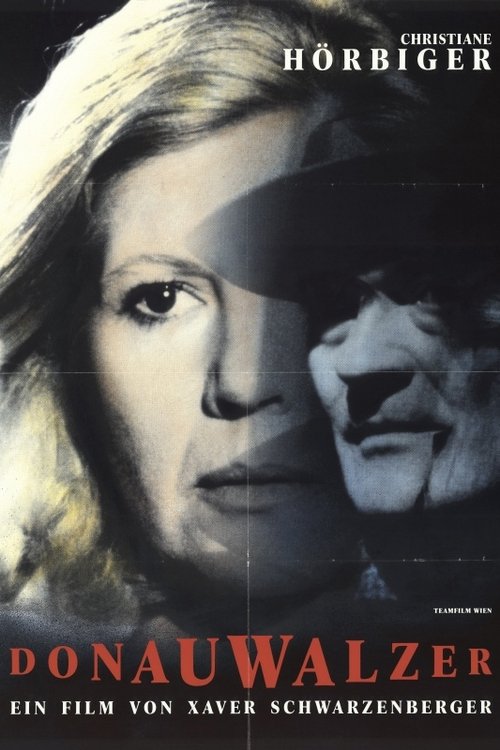
The hungarian revolution 1956. Judith, an Austrian and her Hungarian friend, Taddek, want to escape to Austria. A friend of theirs, a Viennese photographer, helps organize their escape. Taddek doesn't appear at the arranged meeting place, so Judith and the photographer leave without him. Years pass without a word from Taddek..

In November 1831, the 51-year-old Prussian Major General Carl von Clausewitz burns the first chapters of his autobiography, which he had begun to write at the insistence of his wife Marie. Shocked by the sudden death of his friend Gneisenau, he is forced to realize that at his friend's deathbed he has finally said goodbye to the hopes and plans that had once determined his life and that of his friends...

Johann Gottfried Schadow is only in his early twenties when he is put in charge of the royal sculptor's workshop in Prussia's capital Berlin. He is supported in this position above all by the fair ladies.

The story of the Anabaptist movement and two of its first leaders, Michael and Margaretha Sattler.
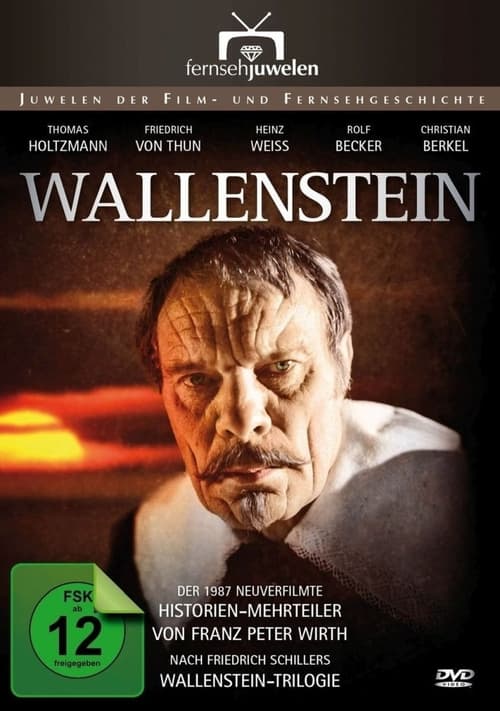
Wallenstein is adaptation of the drama by Friedrich Schiller. Set midway through the religious conflicts that ravaged war-torn Europe in the 17th century, the 18th-century German dramatist Friedrich Schiller wrote 3 plays that chronicle the final year and downfall of the celebrated Bohemian leader Albrecht Wallenstein, duke of Friedland (1583-1634), and explores the factors contributing to his demise.
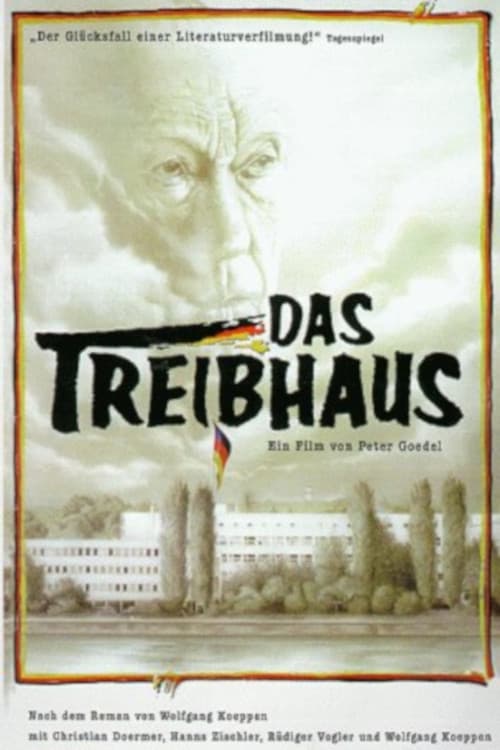
Bonn during the early 1950's: In his exile, idealistic delegate Keetenheuve had high hopes for a better post war Germany. However, he gets quickly disillussioned in the still young Bonner Republik.
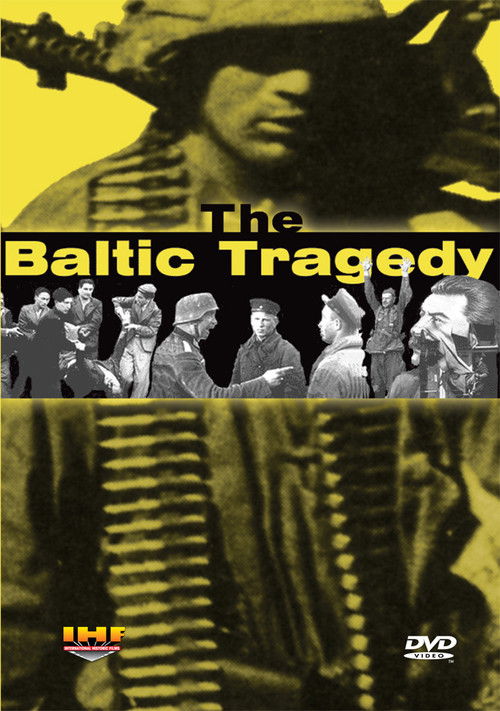
Special care has been taken by International Historic Films to assemble this monumental documentary, which tells the story of what is left for a people after its land has been ravaged by war. Situated between the powerful antagonists Germany and the Soviet Union, the Baltic nations of Latvia, Lithuania, and Estonia bore witness to some of the most ferocious land battles of the Second World War.
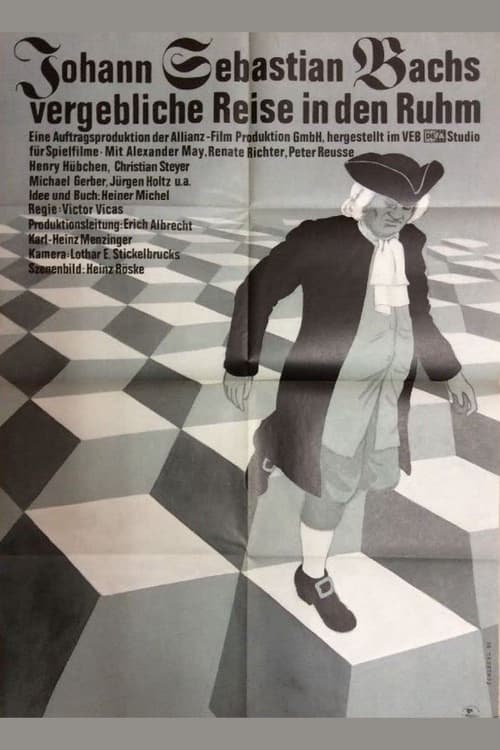
The last journey of Thomaskantor Johann Sebastian Bach leads from Leipzig to Potsdam. Already 60 years old, he hopes that an audition with the Prussian King Frederick II will not only bring him artistic recognition and renewed appreciation, but also an end to his grueling financial worries.
In the Middle Ages: Wöhlund is a blacksmith and can forge a shield with special magical powers.
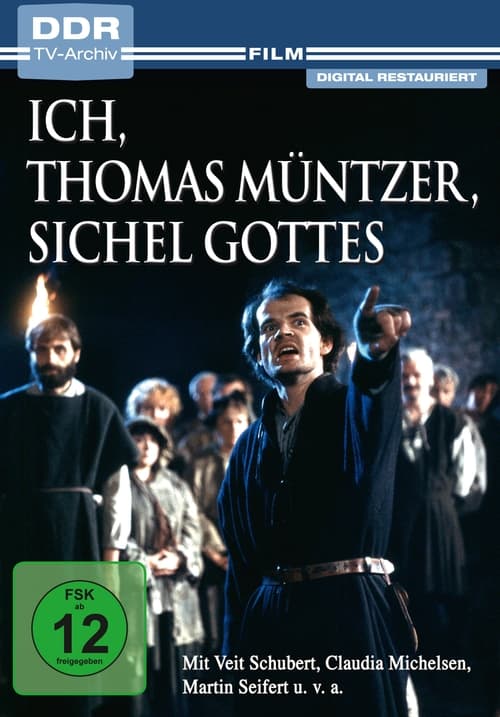
1523. The Protestant theologian Thomas Müntzer is entrusted with the pastorate by the 'Allstedt Council'. On the one hand, he is to open people's minds and hearts to more freedom, and on the other, he is to serve as an ally against the count.

In the spring of 1980, Esther Jochmann, a young Austrian woman, flies to San Salvador. Her husband, a journalist, has been killed. She has to identify his corpse so that the authorities will allow it to be transferred to Europe. She learns that Archbishop Oscar Romero, who was also a victim of an assassination, had granted a taped interview to her husband. Padre Manuel hands the tape over to her. Esther accompanies the Padre and John, an American reporter, who are trying to find the murderers.

In this documentary, Joachim Hellwig uses partly unpublished footage to shed light on a dark chapter of German history and shows the entanglements between the politicians' claims to power and the interests of industry and business in Germany from the beginning of the First World War to the end of the Second World War (1914 to 1945). The Nuremberg War Crimes and Industrial Trials served as the basis for this documentary.

For the documentary series Les Ascensions Célèbres, Denis Ducroz has created this historical reconstruction of the first ascent of the Meije, exploring etymology, physical geography, and the history of the emergence of mountaineering in the Oisans massif. The first ascent of the Grand Pic was made on August 16, 1877, by Emmanuel Boileau de Castelnau with Pierre Gaspard and son; the rope party moved along the Promontoire ridge on the south face to the Glacier Carré, where Jean-Baptiste Rodier, the second porter, separated from the three climbers who managed to overcome ice and granite to open the famous "normal route" to the summit.
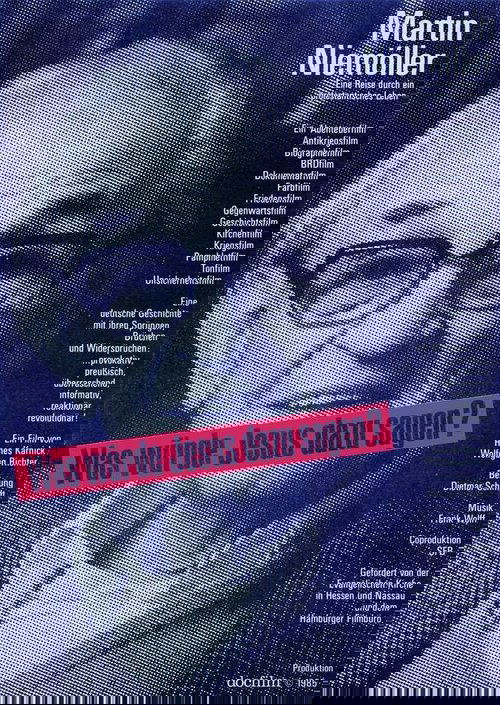
Documentary film about the extraordinary life story of the Protestant theologian Martin Niemöller. The film links Niemöller's biography with the development of Germany during the 20th century.
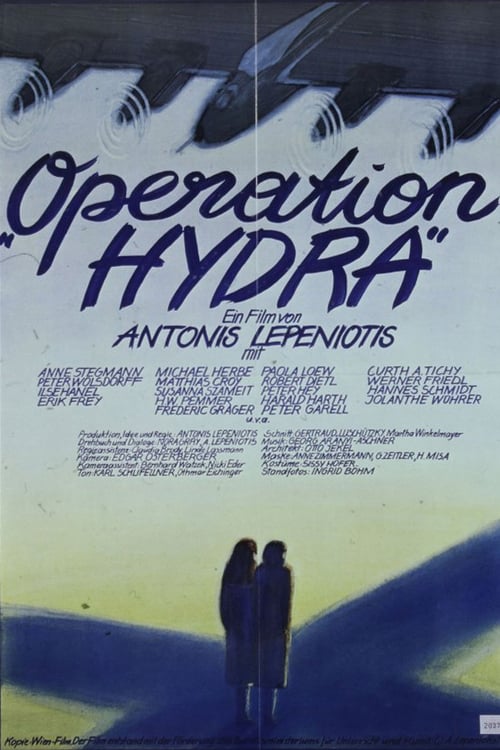
The film jumps between the 40s and the 70s in Germany. Fateful and foreshadowing it highlights the entanglement of the economic system with the activities of the Nazi party, the Holocaust and the attempts to come to terms with the stories of the past. A spy thriller that tries to be everything at once.
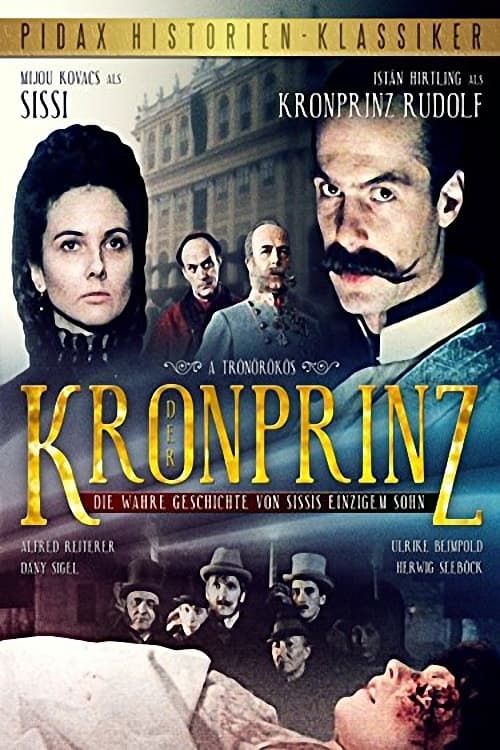
Archduke Rudolf, the only son of Franz Joseph, the pretender to the Habsburg Empire, was found dead in the hunting lodge at Mayerling on 30 January 1889. For a long time, few people knew the circumstances of his death; the public could only speculate. There was talk of failing health, murder for political reasons or out of fear of love, suicide...
Portrait of a great lady based on the real life of Margarete Schütte-Lihotzky, an Austrian architect, who joined the resistance movement against Hitler.
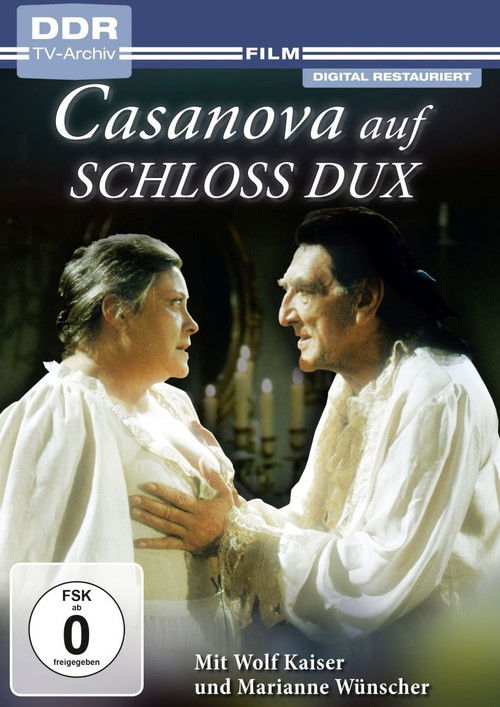
Casanova spends his last years of life as a librarian of Count Waldstein at Dux Castle. He takes farewell to love, from life - grown old, from the happiness and favor of women abandoned. Lonely, intrigues and attacks, he writes his memoirs that later became world famous. As an ageing connoisseur, he takes up a delicate relationship with the laundry Sophie, who becomes a girlfriend, interested listener and critical conversation partner...
In the first half of the 19th century there was a revolt in the central state of Hesse, led by Georg Büchner (Gregor Hansen), the well-known German writer, and a fellow rebel, Pastor Weidig (Franz Wittich). Büchner wrote a kind of declaration of peasant rights against the tyranny of the landholders of the time, and once that declaration ("Der Hessische Landbote") was made public, Büchner escaped to Strasbourg, and then to Zurich where he was killed in 1937, at the age of 23. Pastor Weidig was captured, sent to prison, tortured, and killed in prison. The revolution the two men had hoped for died on the vine due to an informer -- a planned uprising was brutally squelched -- and the peasants had to bide their time for another 12 years before the 1848 Revolution would bring them some of the rights demanded in Büchner's pamphlet.
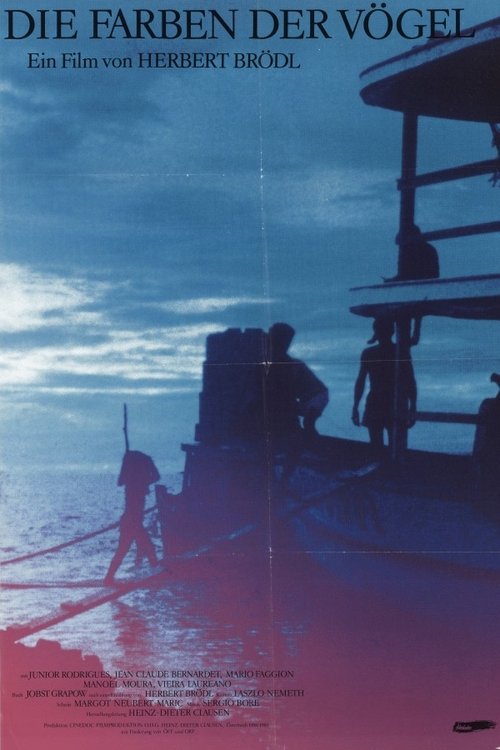
The scientist Udo Gierer is on the trail of Theodor Koch-Grünberg, the famous Amazon researcher at the beginning of our century. While traveling on a river steamboat, he meets and becomes friends with 14 year old José Junior. He takes José with him on a flight over the rain forest and tells the boy about the importance of the Amazon as the lung of the world.
The rise of the Roman Empire towards world power is reconstructed with the help of cartographies and re-enactments. It also shows where traces of ancient Rome can still be found today.