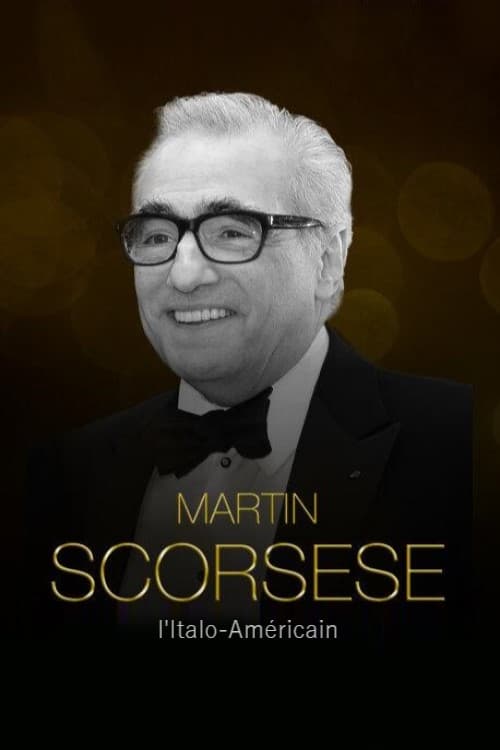
Martin Scorsese is the unchallenged master of the cinematic quest for Italian-American identity. He has etched the cinematic image of the Sicilian mafiosi and the reality of America with incredible actors like DiCaprio and De Niro.
19,727 Matches Found
Martin Scorsese is the unchallenged master of the cinematic quest for Italian-American identity. He has etched the cinematic image of the Sicilian mafiosi and the reality of America with incredible actors like DiCaprio and De Niro.
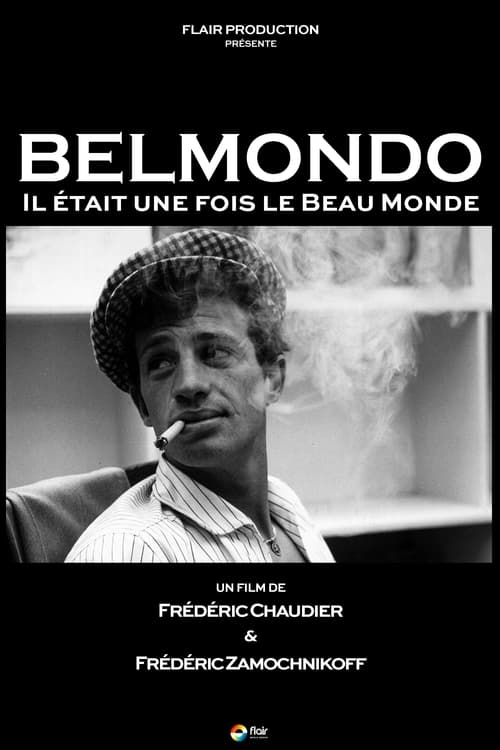
A profile of Jean-Paul Belmondo by his peers. Besides appearing in over eighty films, the actor also delighted audiences with his dangerous stunts, his laughter, his jokes, and his refreshing ease and impertinence. Cultivating the art of the counterpunch, he spanned half a century of French cinema.
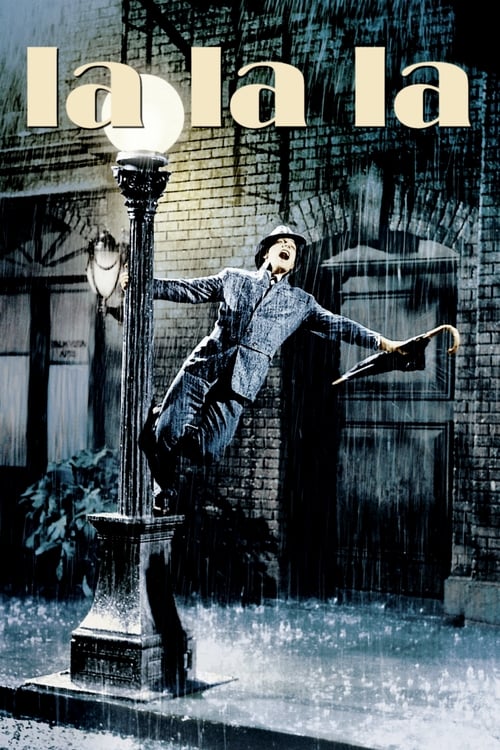
When the silent cinema learned to speak, the audience was surprised not only by the voices of the actors and the sound effects, but also by a new element, the music, which, combined with the dance and an unprejudiced imagination, gave rise to a new genre, as important to Hollywood cinema as the western was: the musical. A journey through the history of this genre, from its beginnings to the present day.
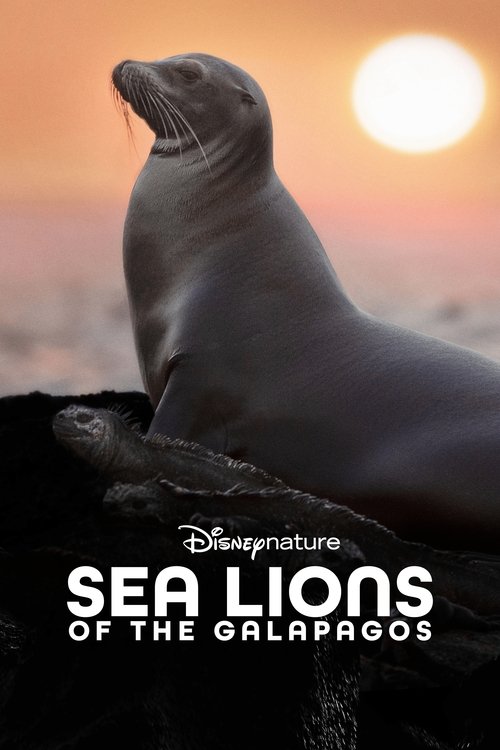
Follow Leo, a handsome sea lion pup who's learning how to navigate life alongside his mother, Luna.
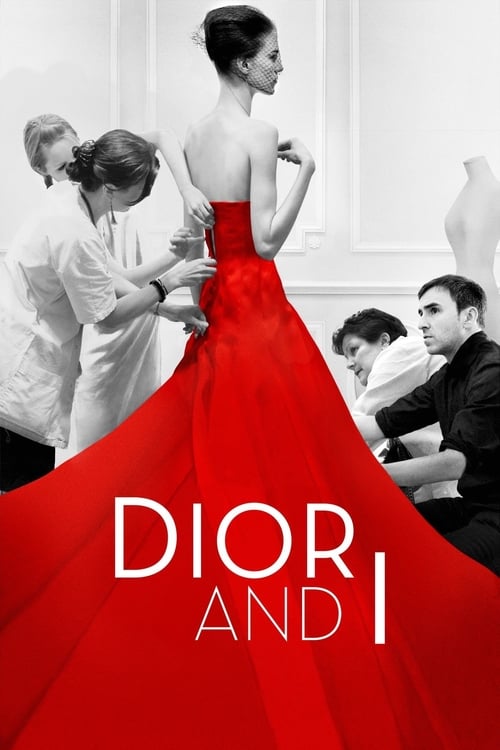
Behind-the-scenes documentary revealing what goes on inside the colourful, privileged, and sometimes stressful Christian Dior fashion house.
My Way is more than a song, it's a major score that has crossed the boundaries of eras and generations. An anthem that has become a part of ourselves and of music history. My Way is one of the most covered songs in the world, from Sid Vicious to Tom Jones, from Nina Simone to Pavarotti. Yet many people are unaware that it was conceived in France, by the pool of Claude François' private hotel, in the summer of 1967, and that a succession of chance encounters and sleepless nights guided it across the Atlantic to the man who was to make it a legend. Like a biopic, this documentary recounts the birth of a myth and how a song entered the pantheon of pop culture.
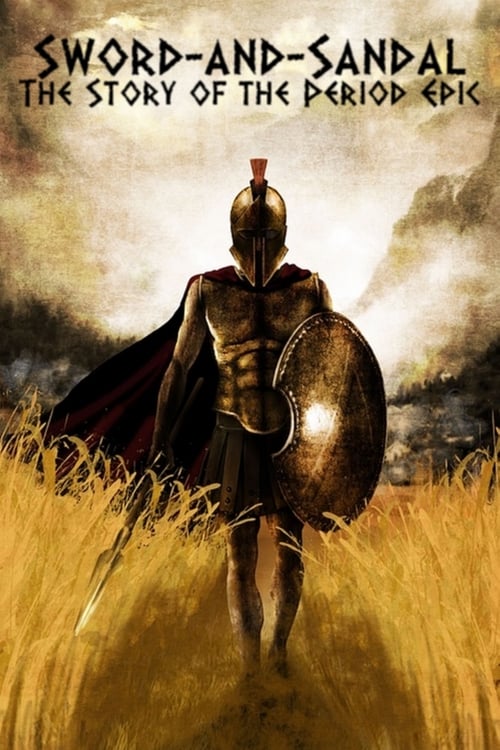
The history of the peplum genre, known as sword-and-sandal cinema, set in Antiquity, from the silent film era to the present day.
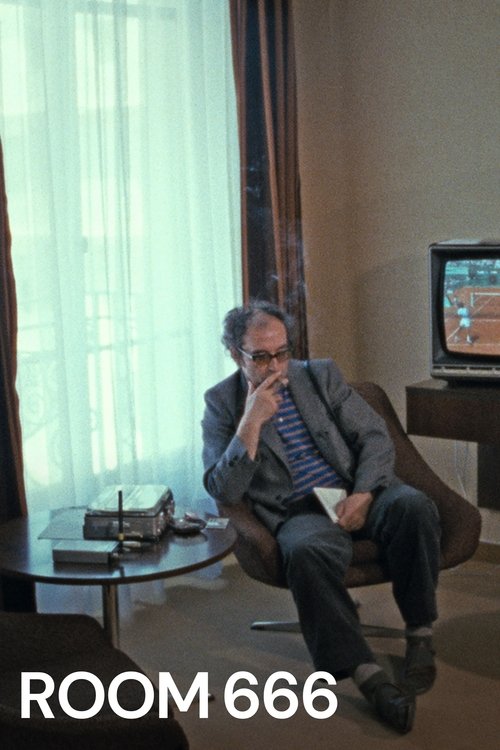
During the 1982 Cannes Film Festival, Wim Wenders asked a number of global film directors to, one at a time, go into a hotel room, turn on the camera, and answer a simple question: "What is the future of cinema?"
The earliest surviving motion-picture film, and believed to be one of the very first moving images ever created, was shot by Louis Aimé Augustin Le Prince using the LPCCP Type-1 MkII single-lens camera. It was taken on paper-based photographic film in the garden of Oakwood Grange, the Whitley family house in Roundhay, Leeds, West Riding of Yorkshire (UK), on 14 October 1888. The film shows Adolphe Le Prince (Le Prince’s son), Mrs. Sarah Whitley (Le Prince’s mother-in-law), Joseph Whitley, and Miss Harriet Hartley walking around in circles, laughing to themselves, and staying within the area framed by the camera. Roundhay Garden Scene is often associated with a recording speed of around 12 frames per second and runs for about 2 to 3 seconds.
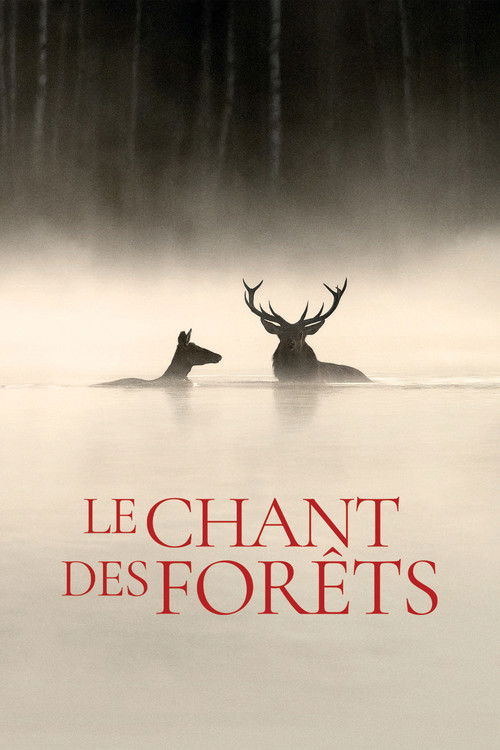
In the heart of the tranquil Vosges forests, where lynxes, bears and deer roam freely, Vincent Munier accompanies his father on his expeditions. He not only seeks to capture the visual wonders of this forest kingdom, but also aims to make its sounds audible. Every whisper of the forest is a reminder of the knowledge of nature that his father once imbued in him – knowledge that Vincent now passes on to his own son. Vincent Munier combines breathtaking footage of nature and its sounds to create a fairytale-like cinematic experience that slows time down.
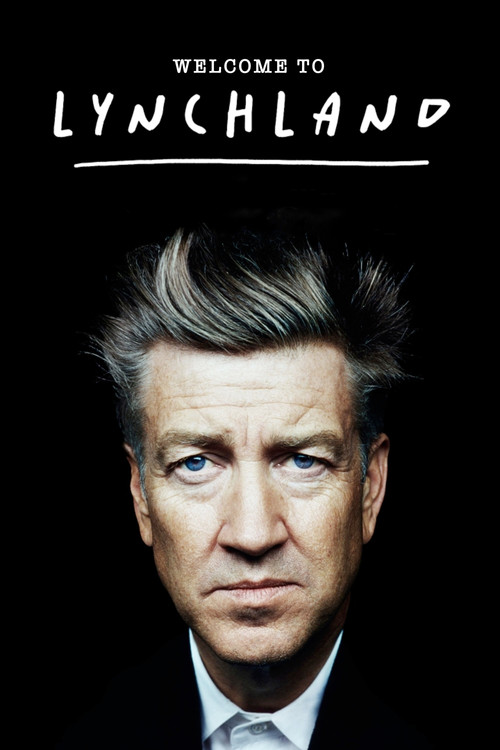
Creator of absolute freedom, David Lynch constructed his work as an enigma to be deciphered between dream and reality. A cult director from his first films ("Eraserhead", "Elephant Man", "Blue Velvet"), Lynch forever changed the world of television with his series "Twin Peaks", before tackling the lies of Hollywood in "Mulholland Drive". Tracing the life of the most influential filmmaker of his generation, this documentary explores the hidden meaning of a relentlessly consistent filmography and delves beneath the dark, teeming surface of the American Dream.
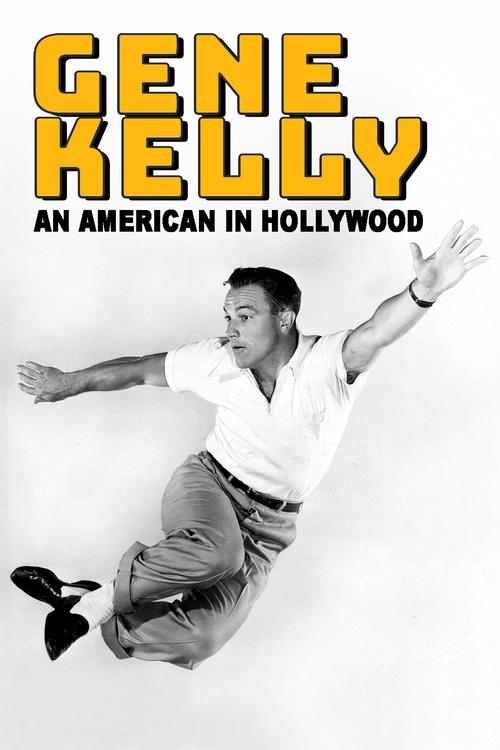
Gene Kelly is a legend of the heyday of the Hollywood musical. His name stands for masterpieces such as "Singin' in the Rain" and "An American in Paris". As a singer, dancer, actor, choreographer and director, he was a true all-round artist who revolutionized the world of dance in particular. Kelly, who loved to experiment, explored new forms of dance expression and helped a whole generation of young talents to fame. From his beginnings in cabarets and on Broadway to his recognition as a choreographer and director, the documentary shows how the good-looking star with a charming smile expanded the boundaries of dance expression: He danced in the open air in the streets of New York, with a cartoon character or his own reflection. But this dazzling entertainer image should not obscure the fact that Kelly, as a staunch supporter of the American civil rights movement, also saw dancing as a political statement.
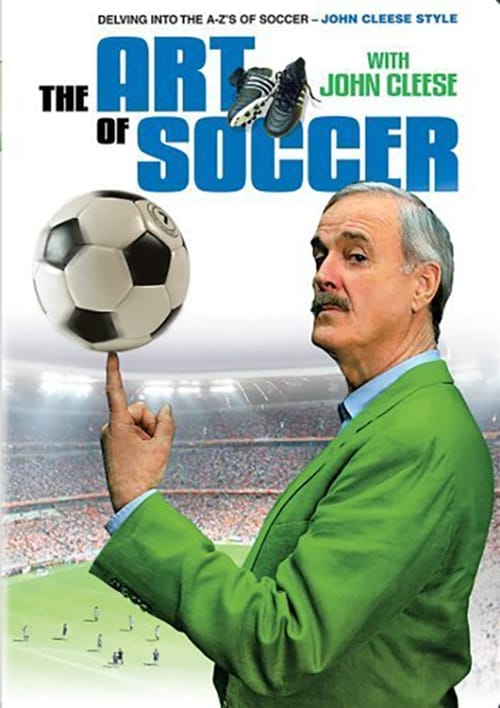
Funnyman John Cleese leads viewers through an exhaustive -- and hilarious -- tour of the world of soccer, complete with the sport's most memorable goals, kicks, saves, goofs and penalties. Also included are reflections on soccer's impact on culture, including the Monty Python sketch "Philosophy Football," and interviews with celebrities Dave Stewart, Dennis Hopper and Henry Kissinger, as well as soccer icons Pelé, Mia Hamm and Thierry Henry.
An account of the last two centuries of the Anthropocene, the Age of Man. How human beings have progressed so much in such a short time through war and the selfish interests of a few, belligerent politicians and captains of industry, damaging the welfare of the majority of mankind, impoverishing the weakest, greedily devouring the limited resources of the Earth.
More than 60,000 of Ernest Cole’s 35mm film negatives were inexplicably discovered in a bank vault in Stockholm, Sweden. Most considered these forever lost, especially the thousands of pictures he shot in the U.S. Told through Cole’s own writings, the stories of those closest to him, and the lens of his uncompromising work, the film is a reintroduction of a pivotal Black artist to a new generation and will unravel the mystery of his missing negatives.
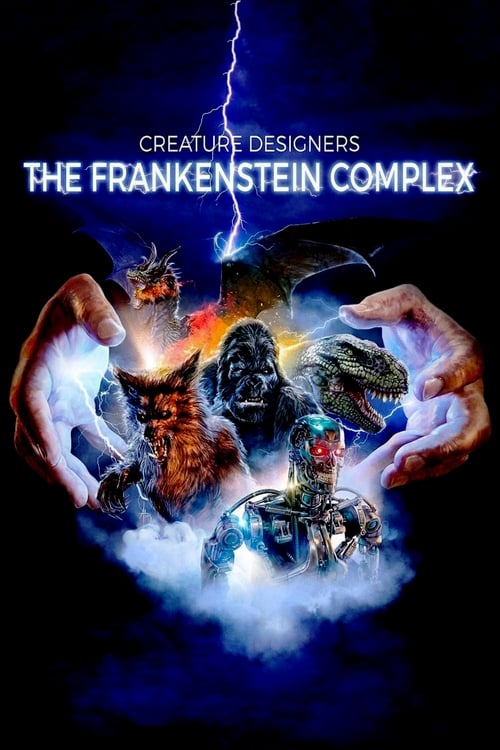
The Frankenstein Complex takes a historical as well as a creative perspective, with a mix of fascinating scenes behind the camera, film clips, and dozens of interviews with all the big names in the industry. In addition to the many wonderful anecdotes, the film also offers a wealth of beautiful test material, while along the way showing how the art of filmmaking has changed over the years. An affectionate ode to monster makers throughout history.
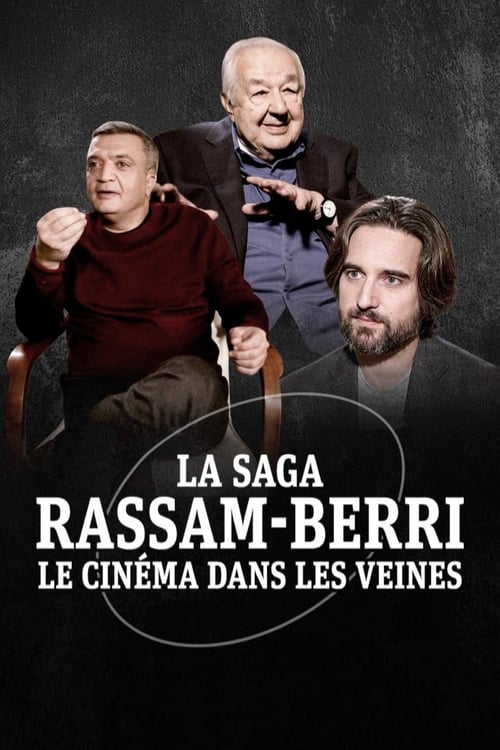
Two intertwined families who have made half a century of cinema. La Grande Bouffe, We won’t grow old together, Tchao Pantin, Apocalypse Now, Bienvenue Chez les Ch’tis, The Artist. At the center of this family, an unknown to the general public: Paul Rassam. His brother and his brother-in-law are more famous: the sulphurous Jean-Pierre Rassam and Claude Berri. It is a story peppered with drama, and today, a new generation has taken over. Thomas Langmann – son of Claude Berri – and Dimitri Rassam, son of Carole Bouquet and Jean-Pierre Rassam.
Clint Eastwood made his mark on cinema by abandoning violent action films to turn his attention, behind the camera, to more substantial productions that were praised by critics.
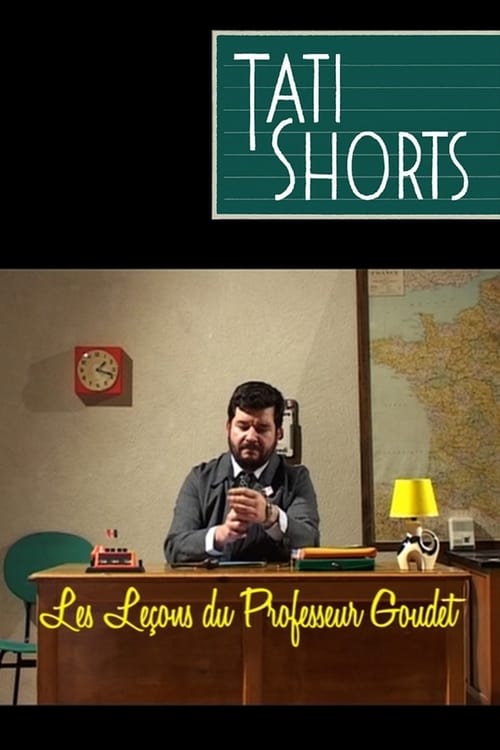
Stéphane Goudet is all over the Tati box-set as the preeminent Tati scholar, so it is only fitting that he conclude the disc with a half hour lecture that concludes the themes and methods of the filmmaker.
A woman goes to Cannes and, lost in its chaos and unable to obtain tickets, ends up watching it on television from her hotel room.
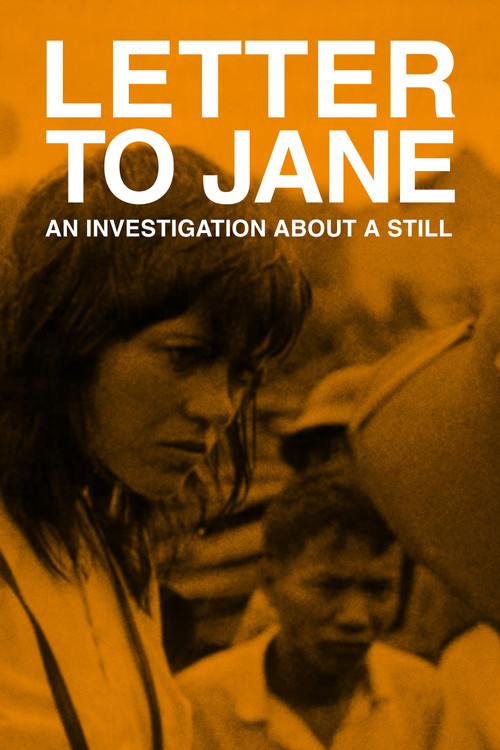
The film's subject is a photograph of Jane Fonda visiting Hanoi during the Vietnam War. It asks what the position of the intellectual should be in the class struggle and points out the irony of Jane Fonda's participation in the photo shoot, which was staged.
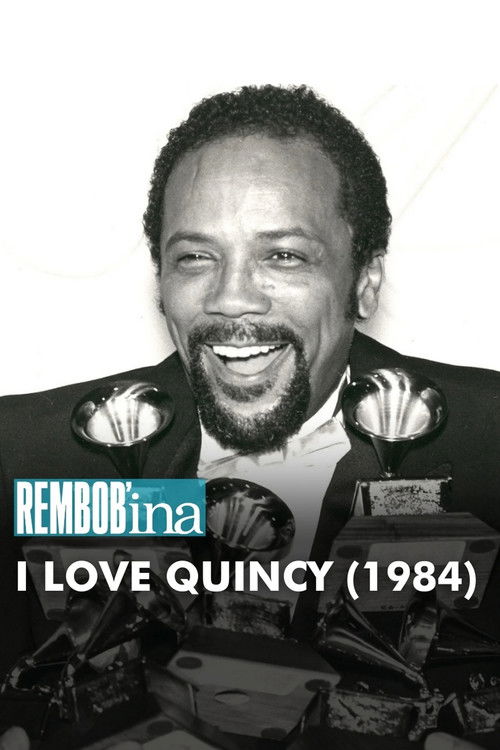
Documentary profile of musician and producer Quincy Jones
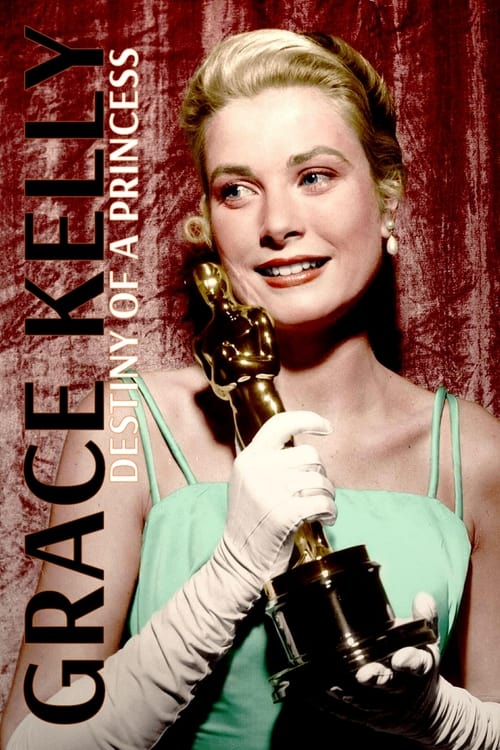
In 1956, actress and Hollywood star Grace Kelly (1929-82), then at the height of her film career, unexpectedly dropped everything to marry Prince Rainier III of Monaco. Jinx, an American journalist and friend of the future princess, accompanied her on her journey to the wedding and covered the sensational event.
A contemporary history of Korea(s) from a unique point of view that embraces the inner history of both South and North Korea in a single narrative.
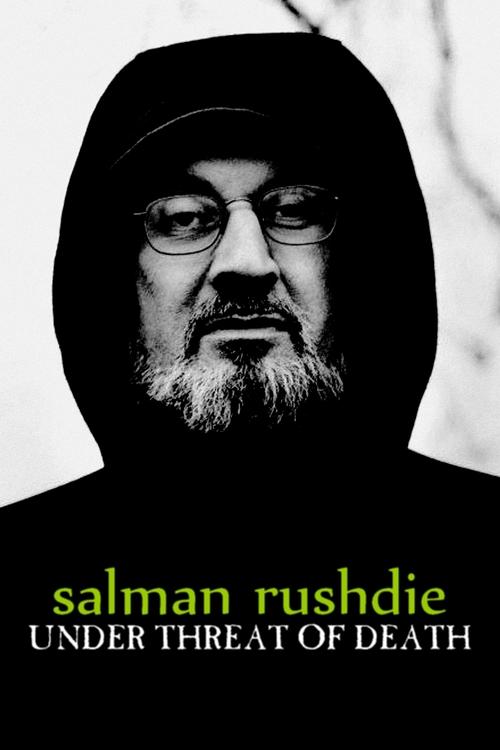
An intimate portrait, in his own words, of the Indian writer Salman Rushdie, author of The Satanic Verses (1988), thirty years after the fatwa uttered by the Iranian Ayatollah Khomeini: his youth in multicultural Bombay, his life in England, his many years of forced hiding, his thoughts on President Trump's United States of America.
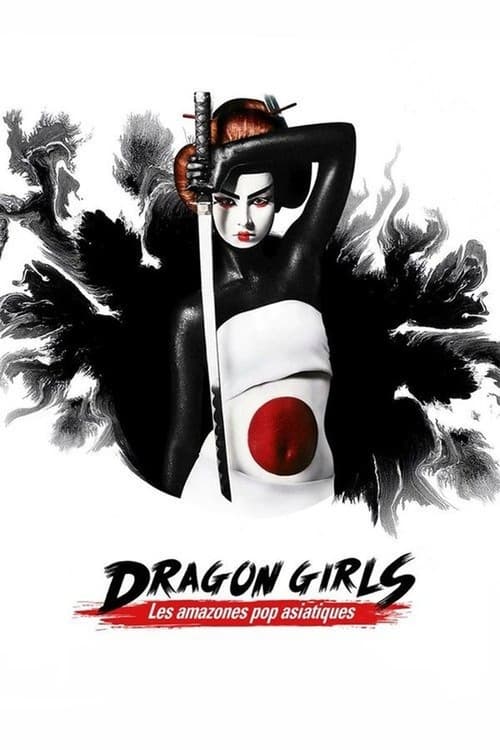
Yves Montmayeur takes Crouching Tiger, Hidden Dragon as the starting point for his study of the new female warrior in Asian pop culture. From Beijing to Tokyo and Taiwan, he went to meet with the most iconic muses of this new trend, including Michelle Yeoh, Zhang Ziyi, Shu Qi and Asami.
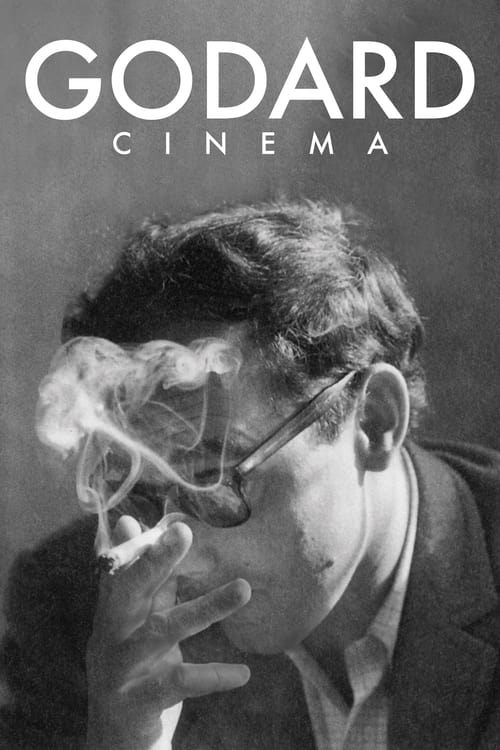
Jean-Luc Godard is synonymous with cinema. With the release of Breathless in 1960, he established himself overnight as a cinematic rebel and symbol for the era's progressive and anti-war youth. Sixty-two years and 140 films later, Godard is among the most renowned artists of all time, taught in every film school yet still shrouded in mystery. One of the founders of the French New Wave, political agitator, revolutionary misanthrope, film theorist and critic, the list of his descriptors goes on and on. Godard Cinema offers an opportunity for film lovers to look back at his career and the subjects and themes that obsessed him, while paying tribute to the ineffable essence of the most revered French director of all time.
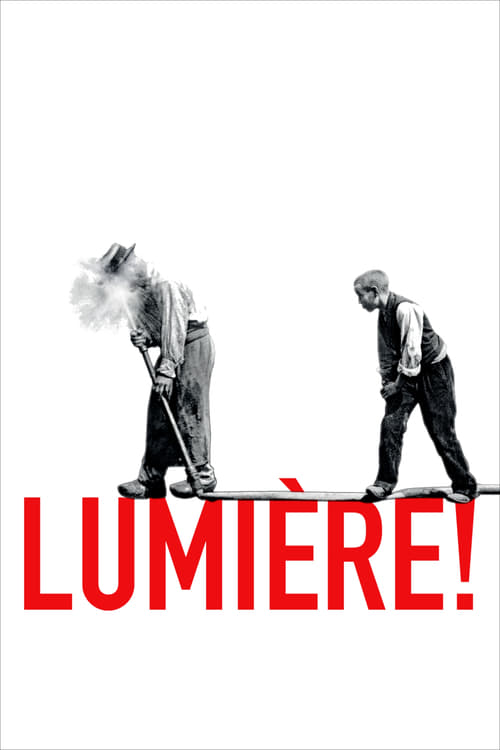
A collection of restored prints from the Lumière Brothers.
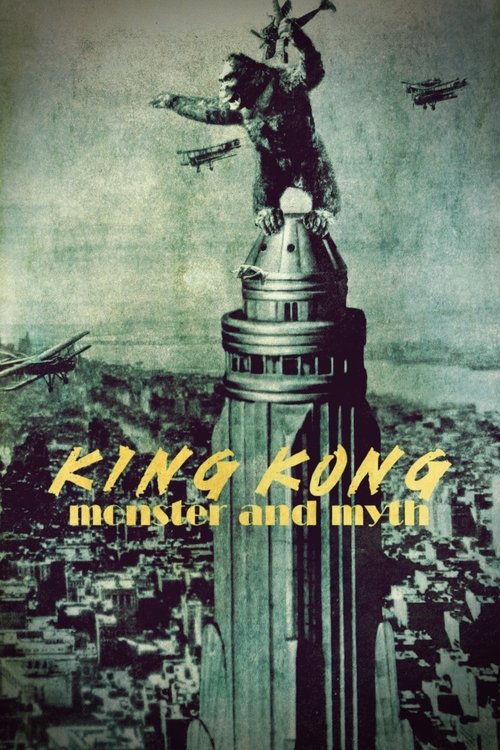
In 1933, Merian C. Cooper and Ernest B. Schoedsack, two audacious and visionary directors, dared to create a motion picture that eclipsed everything seen until then: when King Kong was released, it was celebrated as an artistic and technical revolution and became the first myth created by the young cinematic art.
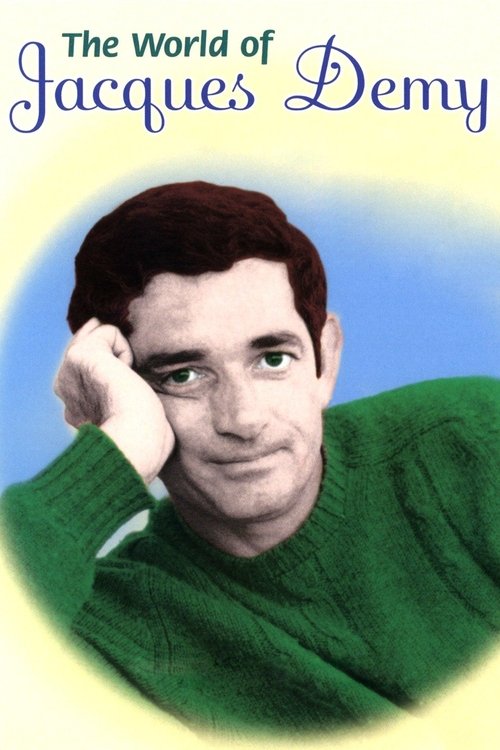
Agnès Varda's documentary portrait of her late husband, Jacques Demy. A companion piece to her Jacquot de Nantes.
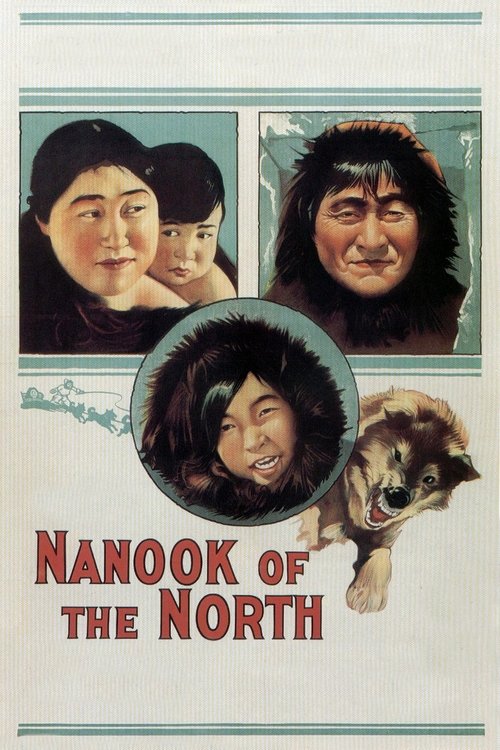
This pioneering documentary film depicts the lives of the indigenous Inuit people of Canada's northern Quebec region. Although the production contains some fictional elements, it vividly shows how its resourceful subjects survive in such a harsh climate, revealing how they construct their igloo homes and find food by hunting and fishing. The film also captures the beautiful, if unforgiving, frozen landscape of the Great White North, far removed from conventional civilization.
A film based on an original concept by John Galliano and directed by Sasha Kasiuha. Founded in the proposition that opened the 2024 Artisanal Show in January 2024 – “Would you like to take a walk with me, offline?” – the cinematic experience elucidates and elaborates the haute couture collection for posterity. In a fast-paced culture, it serves as an articulated desire to be present in the moment, and in the memory; values key to Maison Margiela.
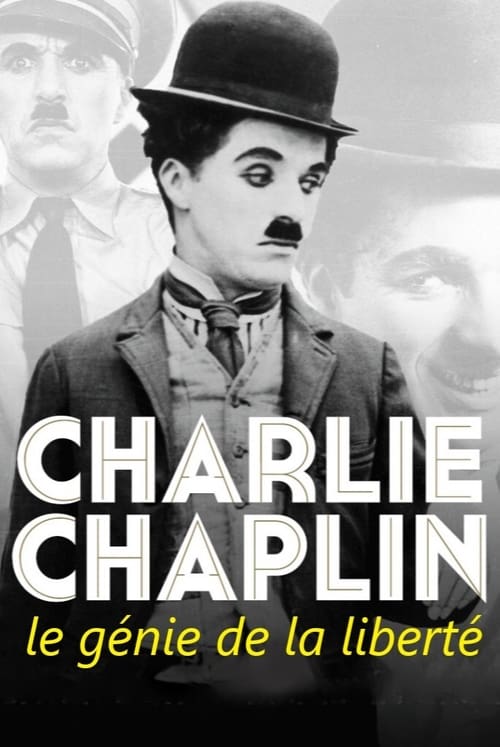
The whole world knows him. Burlesque comedy genius, popular actor, author, director, producer, composer, choreographer, Charlie Chaplin (1889-1977) used his talent to serve an ideal of justice and freedom. But his best scenario was his own destiny, a story written into the political and artistic history of the 20th century.
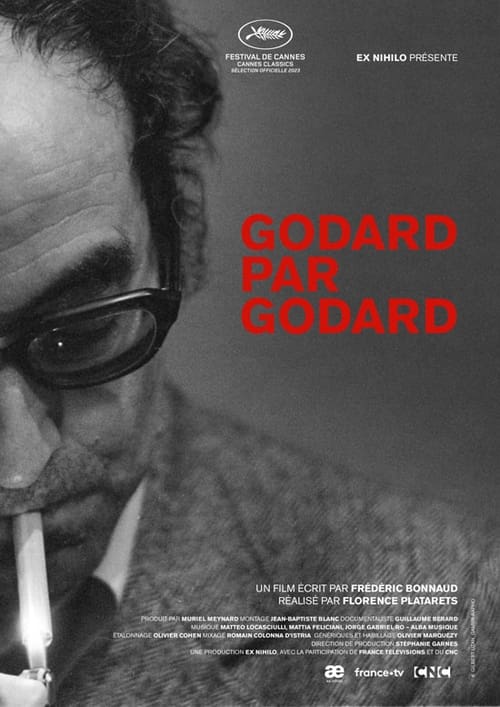
Godard by Godard is an archival self-portrait of Jean-Luc Godard. It retraces the unique and unheard-of path, made up of sudden detours and dramatic returns, of a filmmaker who never looks back on his past, never makes the same film twice, and tirelessly pursues his research, in a truly inexhaustible diversity of inspiration. Through Godard’s words, his gaze and his work, the film tells the story of a life of cinema; that of a man who will always demand a lot of himself and his art, to the point of merging with it.
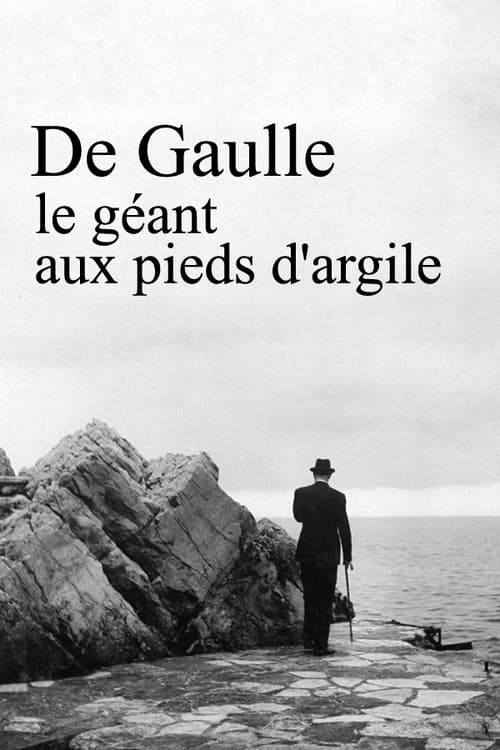
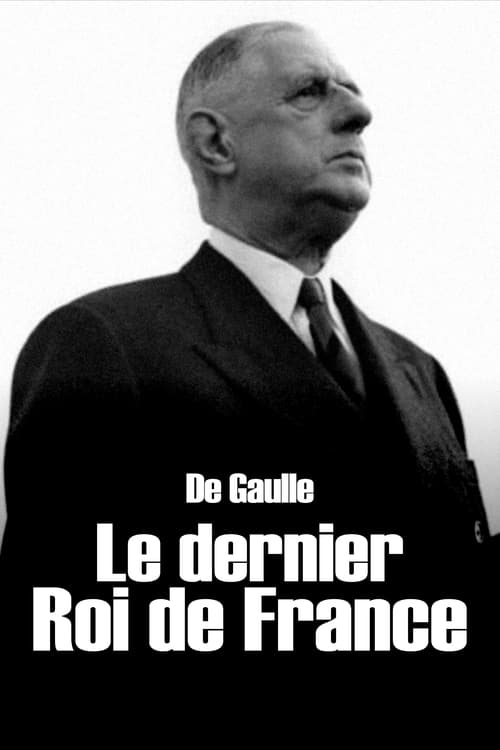
Charles de Gaulle, the first president (1958-1969) of the Vth Republic, France’s current system of government, left his mark on the country . He was statesman of action and has been compared to a monarch. This film depicts the general’s personality through the great events of his presidential term, at a time when the world was undergoing considerable changes.
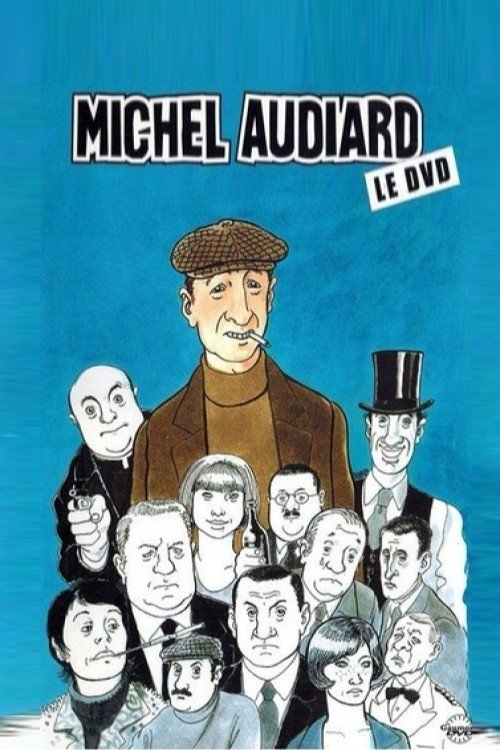
A documentary about writer Michel Audiard (1920-1985). Contemporary interviews are interwoven with archival footage and clips from his films. It offers a deeper understanding of the career of the man whom Jean Gabin swore by from the mid-1950s onward, and whom films such as "Les Tontons Flingueurs" immortalized.
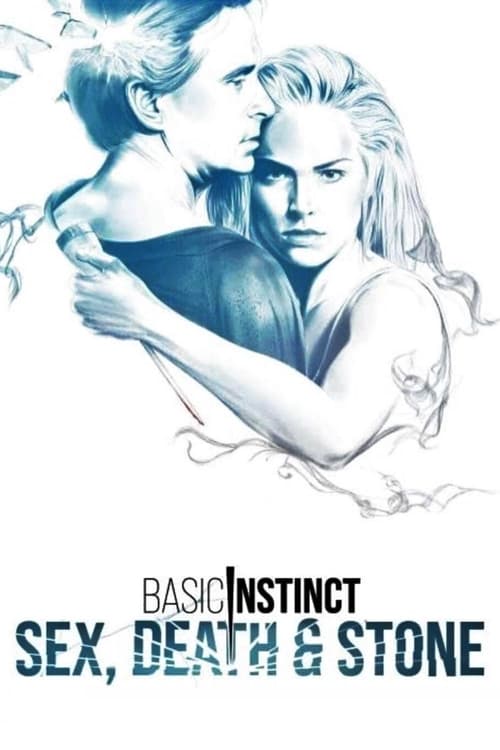
A documentary about the Paul Verhoeven's cult classic Basic Instinct.
The portrait of a woman who remembers. Sheila tells the story of Sheila, without concessions or evasions. Her childhood, her parents, her beginnings, the rumors, her love affairs, her marriage, her son, her successes, her farewells, her return, her mourning. The journey of an extraordinary popular icon who never stopped fighting. The courage of an artist who never gives up. "Sheila, toutes ces vies-là" is also a journey through time. 60 years of pop music, punctuated by numerous archives, personal films, timeless hits and illustrations by Marc-Antoine Coulon. But also 60 years of fashion, through a legendary wardrobe (her TV show outfits) that Sheila invites us to rediscover.
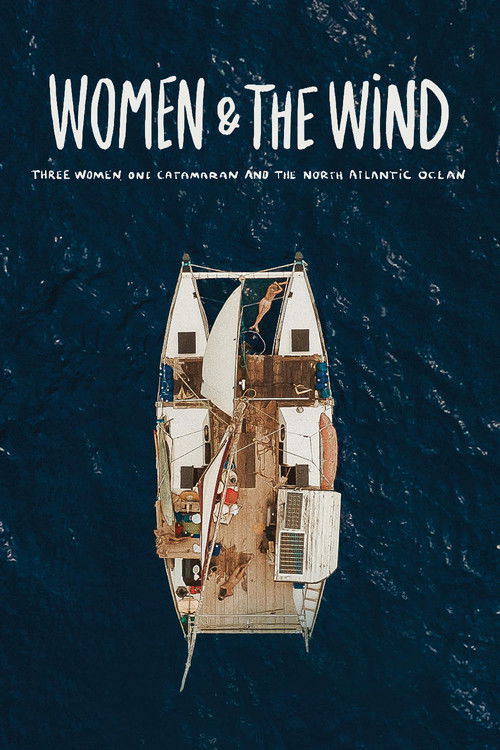
Shot over the course of 30 days at sea, filmmaker Alizé Jireh documents the group’s voyage across the North Atlantic—from moments of stillness and calm to the chaos of storms and setbacks. With an observational approach and an eye for the emotional and physical rhythms of life at sea, Jireh captures not just the external landscape, but the internal shifts that come with navigating the vast unknown.
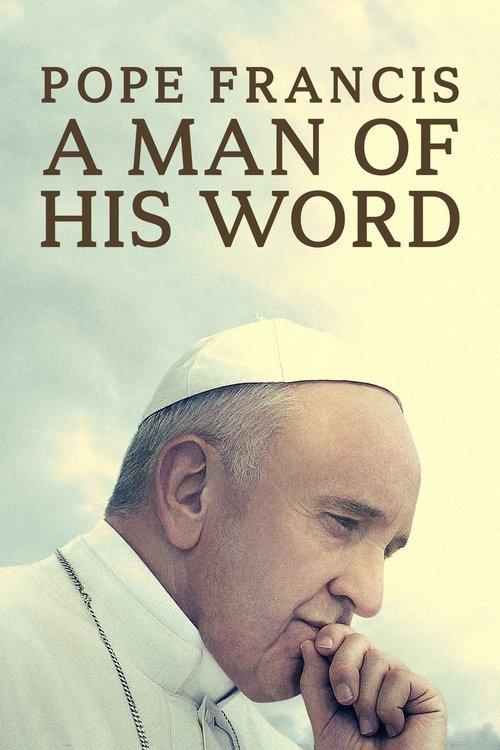
Pope Francis responds to questions from around the world, discussing topics including ecology, immigration, consumerism and social justice.
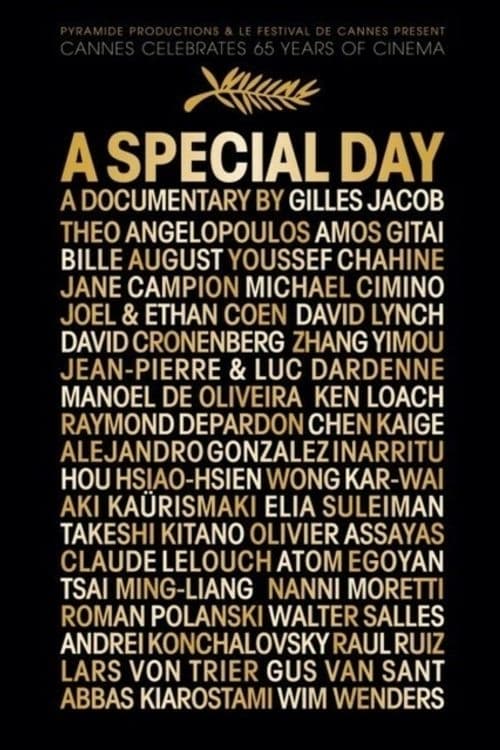
At the 60th anniversary of Cannes Film Festival, 34 famous directors are followed by camera.
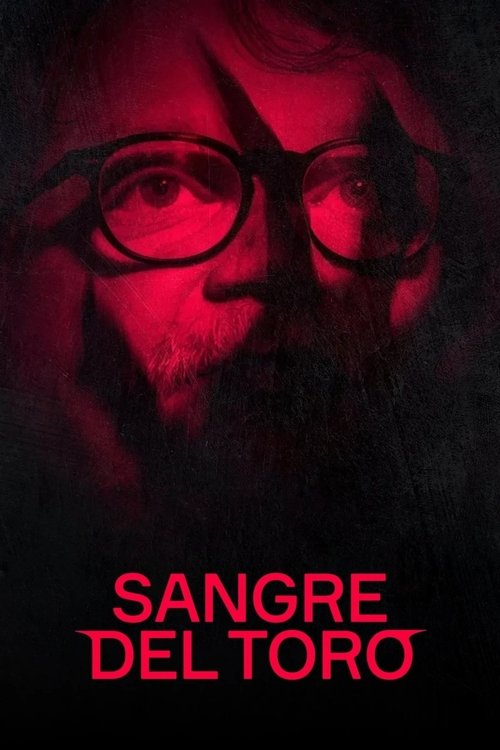
Director Guillermo del Toro journeys through a labyrinth of childhood memories, cultural myths and monsters to reveal the origins of his visionary films.
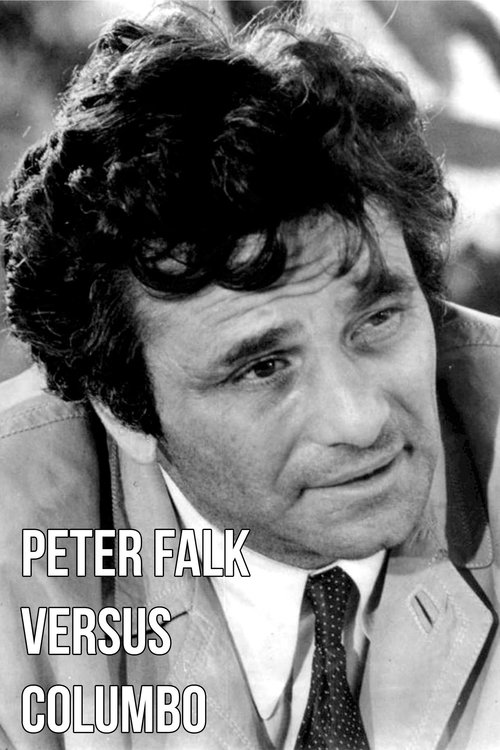
For millions of viewers, Peter Falk is Columbo. Despite playing the quintessential blue-collar TV detective of the '70s and '80s, his early career is rarely explored. Using archive footage, interviews and extracts from his films and the TV show, the documentary pays tribute to the immortal character of Columbo, while shedding light on the actor’s life, one full of twists and turns, ups and downs.
In his own words, the burglar behind the 2010 robbery of the Paris Museum of Modern Art tells how he pulled off the biggest art heist in French history.
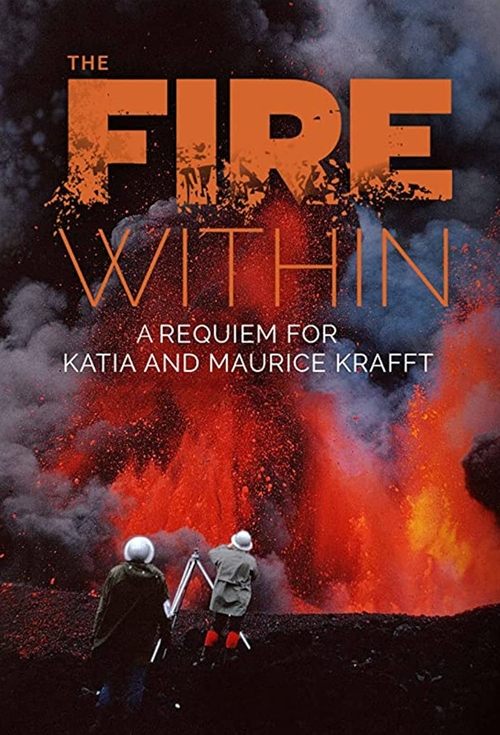
Filmmaker Werner Herzog combs through the film archives of volcanologists Katia and Maurice Krafft to create a film that celebrates their legacy.
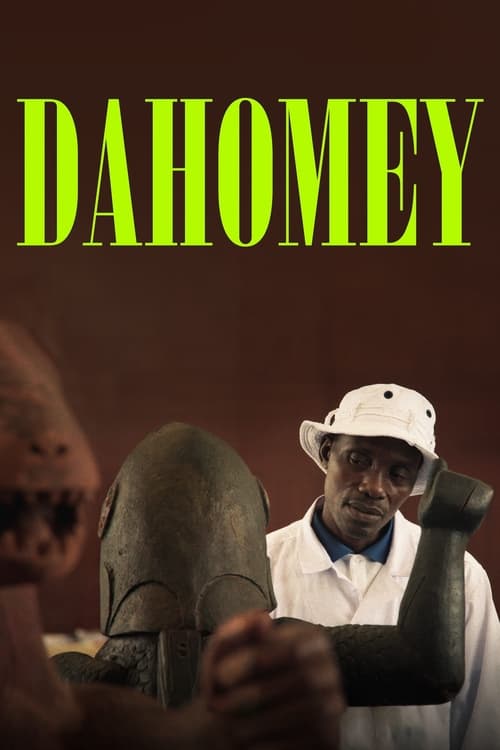
Thousands of royal artifacts of Dahomey, a West African kingdom, were taken by French colonists in the 19th century for collection and display in Paris. Centuries later, a fraction returned to their home in modern-day Benin. This dramatized documentary follows the journey of 26 of the treasures as told by cultural art historians, embattled university students, and one of the repatriated statues himself.
Join renowned explorer Jacques-Yves Cousteau as he investigates aquatic habitats worldwide, showcasing whales, sharks, and diverse marine life. The film highlights the brutal realities of nature while capturing the wonder of underwater exploration, as the team ventures into previously unseen ocean depths.
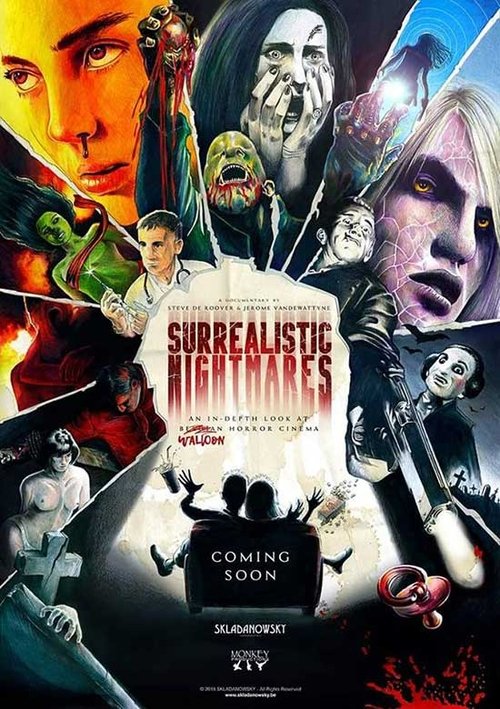
After researching the Flemish horror cinema in "Forgotten Scares", director Steve De Roover - with the help of co-director Jérôme Vandewattyne (Spit'N'Split) - digs deeper in the follow-up documentary "Surrealistic Nightmares" and shows the beginning of Walloon horror cinema in the '20s (!) and how the genre evolved during the following years. Through unique experiences from the original cast and crew, horror experts and various genre journalists, a broad and in-depth picture is painted about the one-of-a-kind horror legacy from the French side of Belgium, without forgetting the difficult cinema landscape of this small country with two very different languages. "Surrealistic Nightmares: An In-depth Look at Walloon Horror Cinema" is illustrated by exclusive behind the scene footage, famous film scenes and loads of original promotional artwork.
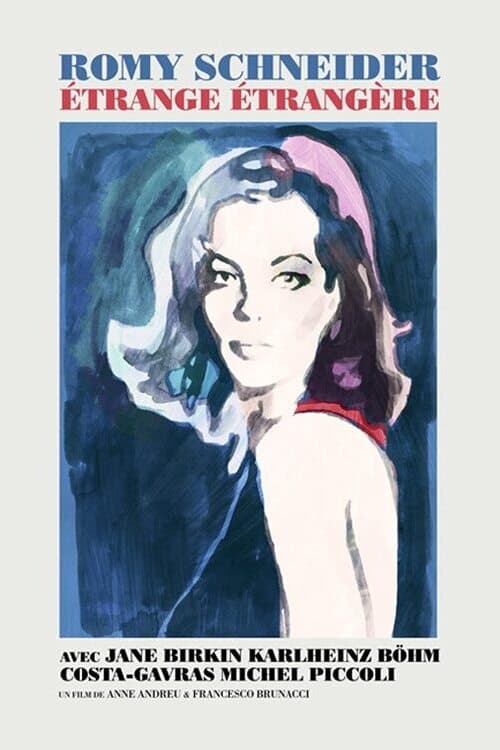
Star at 17 years with the series of Sissi, Romy Schneider leaves Austria and glory for the love of Alain Delon. From Luchino Visconti to Otto Preminger, through Zulawski and Costa Gravas, she turned with the greatest. The directors interview those who knew her, who loved her, go back to the filming locations, make archive images speak for themselves... and try to detect the part of mystery that Romy Schneider conceals for ever.
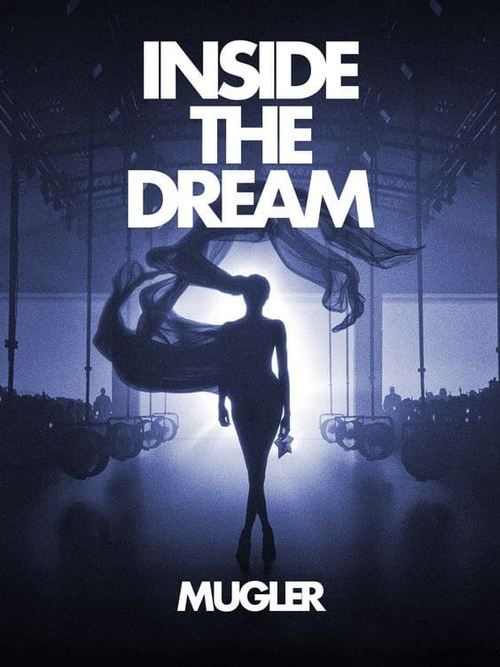
Revolutionary fragrances, Haute Couture and spectacular shows: in the world of luxury, Thierry Mugler broke every code. Enter into the backstage of the House: from treasured archives to new creations, from the conception of a new fragrance to designing a ready-to-wear collection with Casey Cadwallader, Mugler Fashion Creative Director, to a frenetic catwalk.
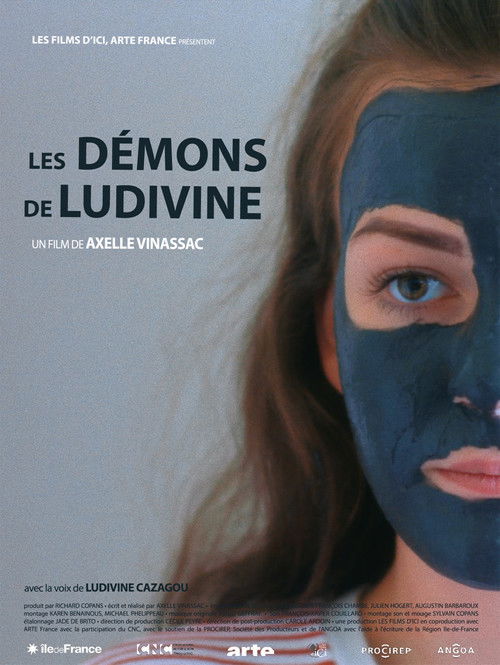
Ludivine, 15, is facing the juvenile court system. Her judge offers an alternative to being placed in foster care: embark on a three-month walk across Spain. To reflect. To distance herself from her turbulent past. Ludivine accepts. It's the beginning of a 1700-kilometer journey on foot.
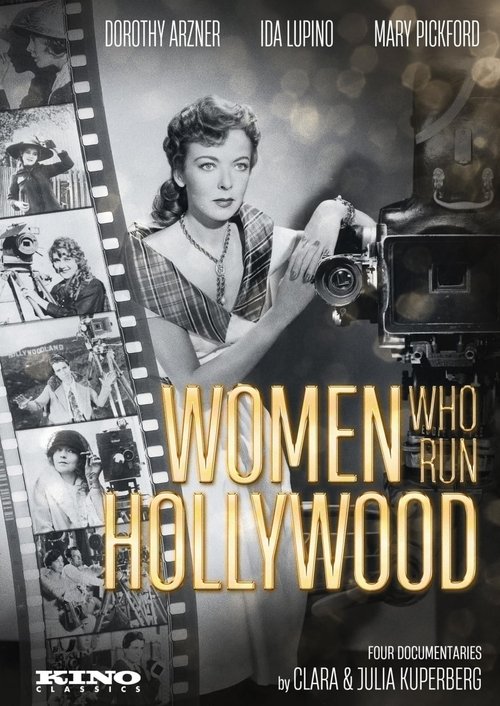
The first talkie was directed by Alice Guy, the first color film was produced by Lois Weber, who directed more than 300 films over 10 years. Frances Marion wrote screenplays for the Hollywood Star Mary Pickford and won two Oscars, Dorothy Arzner was the most powerful film director in Hollywood. And what do all of them have in common? They are all women and they have all been forgotten. Incredibly, it also took until 2010 for the first woman, Kathryn Bigelow, to win the Oscar for Best Director. Even if underrepresented women have always played a big part in Hollywood and it is this part of the film history left untold that this documentary sets out to uncover.
Christopher Doyle is one of the best known and most acclaimed directors of photography in world cinema. Born in Australia, he sees himself as an Asian citizen rather than a Westerner. His artistic contribution to the films of Wong Kar-wai, Zhang Jimou and Fruit Chan films, among others, is indisputable. Filmed in DV and Super8, this documentary is a kind of wild and stylized road movie -- from Bangkok to Hong Kong, via New York. The camera follows this eccentric and outrageous artist as he gives us his thoughts on his past and present work. From the recent sets of Invisible Waves by Thailand's Pen ek Ratanaruang, and M. Night Shyamalan's Lady in the Water, to the locations in Hong Kong where he shot some of his most famous pictures, such as In The Mood for Love and Dumplings, Chris Doyle talks about his cinematic fascination for Asian culture.
Ironic portrait of the strong men of the Chilean military dictatorship commanded by General Augusto Pinochet after September 11, 1973. As a counterpoint, the families of the victims and the missing bear witness to a different reality.
This free-form film is a self-portrait, which revisits more than 40 years of the author’s filmography and questions the major stations of his life, while capturing the political tremors of the time.
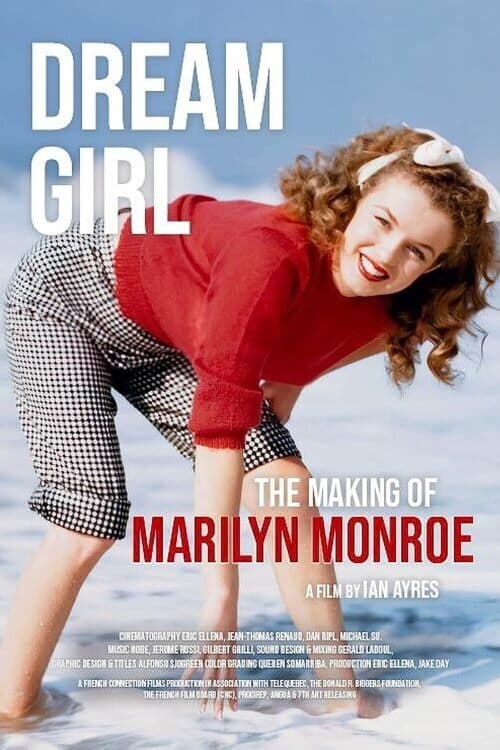
How did Marilyn Monroe become one of the greatest sex symbols of all time? What drove a prudish little Californian girl, who was not especially pretty nor exceptionally talented, to become this incredibly striking platinum blonde superstar? How did she become the icon capable of balancing innocence with raw sensuality, whilst continuing to captivate the masses to this day? How did she achieve this? And what price did she pay?