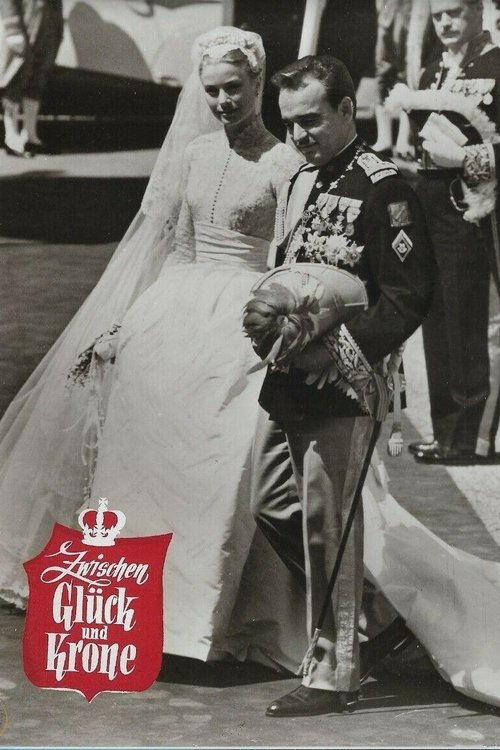
The story of a young woman named Maria, who unexpectedly inherits a royal title and a castle after the death of her uncle, a king. Heavily reliant on archival footage of various notables, both stars and royalty.
Zwischen Glück und Krone
0.0 1959
317 Matches Found
The story of a young woman named Maria, who unexpectedly inherits a royal title and a castle after the death of her uncle, a king. Heavily reliant on archival footage of various notables, both stars and royalty.
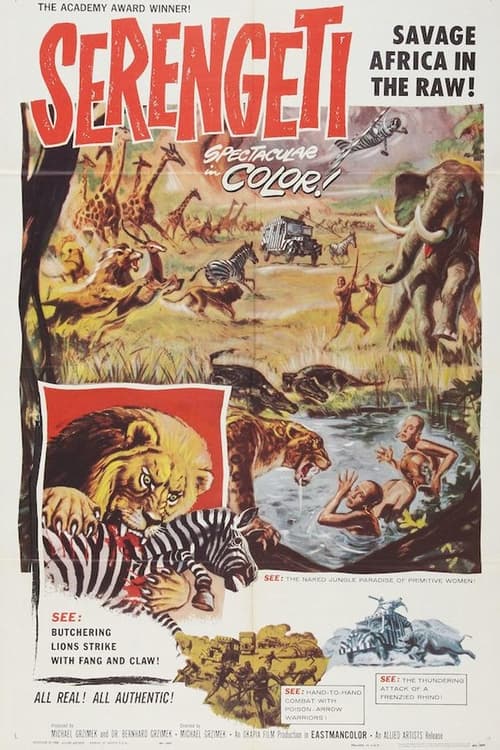
The film tells of the beginnings of the Serengeti National Park in Tanzania. At the end of the 1950s, the Tanzanian National Park Administration wanted to fence in the protected area around the Ngorongoro Crater. Bernhard and Michael Grzimek were invited by the national park administration in 1957 to get a precise picture of the animal migrations and to provide the national park administration with the values they needed for their project. Using a new counting method with two airplanes, the Grzimeks found out that the migration of the herds was different than assumed.

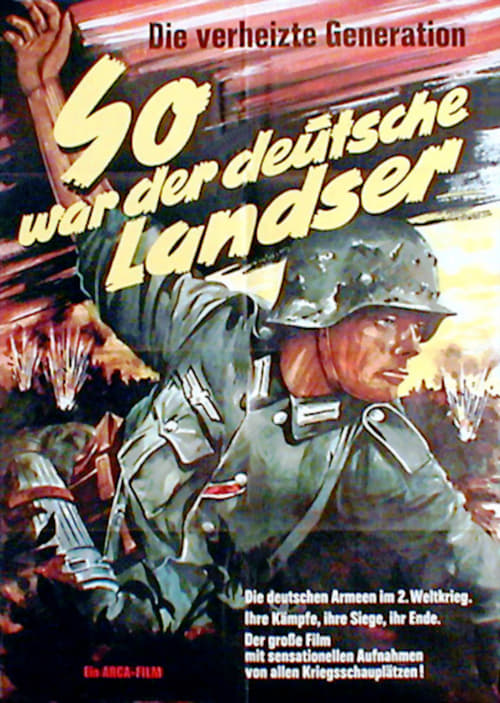
The film begins with the First World War and ends in 1945. Without exception, recordings from this period were used, which came from weekly news reports from different countries. Previously unpublished scenes about the private life of Adolf Hitler and Eva Braun were also shown for the first time. The film was originally built into a frame story. The Off Commentary begins with the words: "This film [...] is a document of delusion that on the way to power tore an entire people and a whole world into disaster. This film portrays the suffering of a generation that only ended five to twelve. " The film premiered in Cologne on November 20, 1953, but was immediately banned by Federal Interior Minister Gerhard Schröder in agreement with the interior ministers of the federal states of the Federal Republic of Germany.

Students from nine nations unite on August 7, 1950 at the Franco-German border near Germanshof, tear down the barriers and remove the border posts and barriers, which they burn in a ceremony. This act is a commitment to Europe and a protest against the arbitrariness of borders between nations.
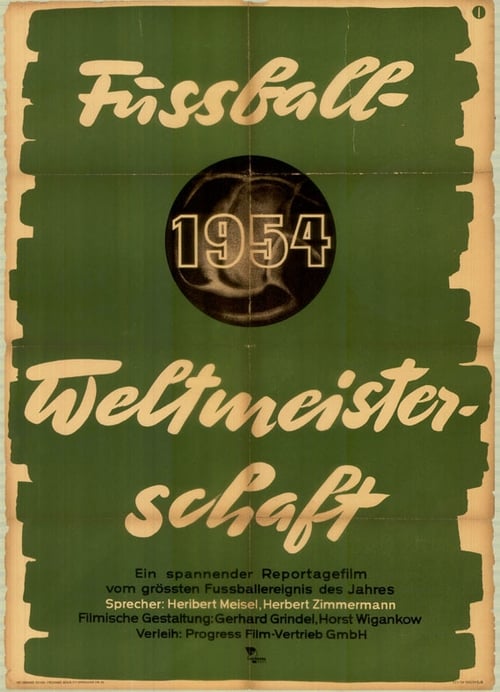
At the 1954 FIFA World Cup in Switzerland, we see the red-hot favourites Hungary, led by the legendary Ferenc Puskás eventually beaten by West Germany 3-2 in a classic final.
A German Film Award Silver Bowl winning short documentary.
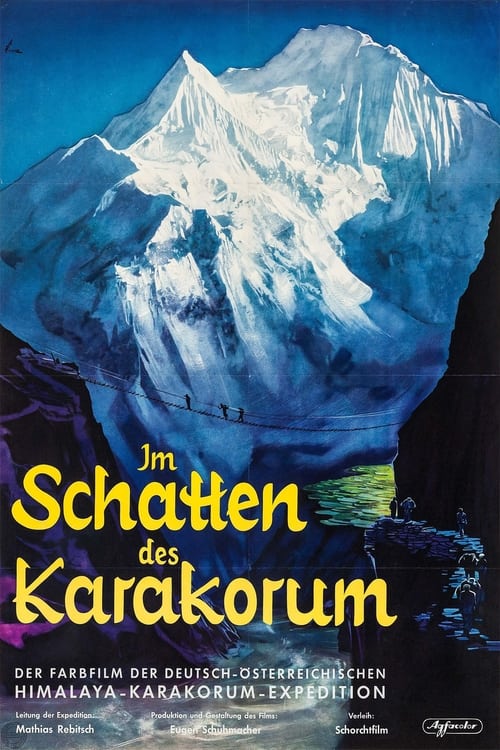
In 1954, a German-Austrian expedition led by Mathias Rebitsch set off for the difficult-to-access Karakoram Mountains, geographically north of the Himalayas. They come across the Hunza, a people who live in the valley of the same name and believe they are descended from the soldiers of Alexander the Great. The documentary conveys impressions of the poor life of the Hunza people, the harvest, a court hearing, festivals and the children's everyday school life. Finally, the expedition sets off again and sets up its main camp on the moraine ridge of a glacier, where they measure the glacier and the earth's magnetic field. Finally, some men from the research community set off for a sub-peak of Batura.
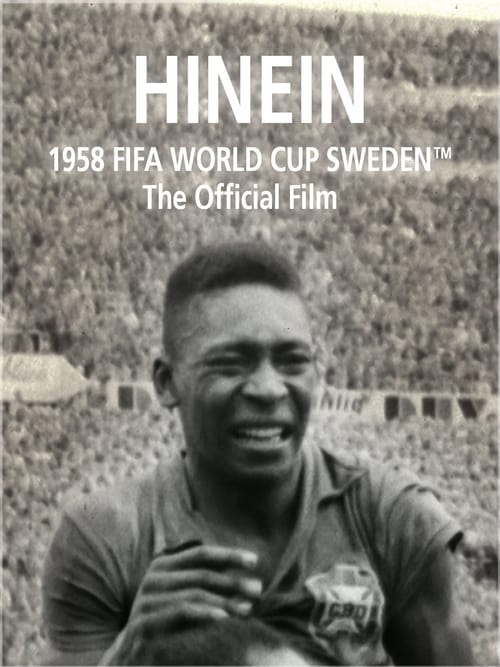
The 1958 finals, held in Sweden, saw the emergence of a new superstar in Pelé. This 17 year-old wonder player led the Brazilians to a final triumph over the host nation 5-2.
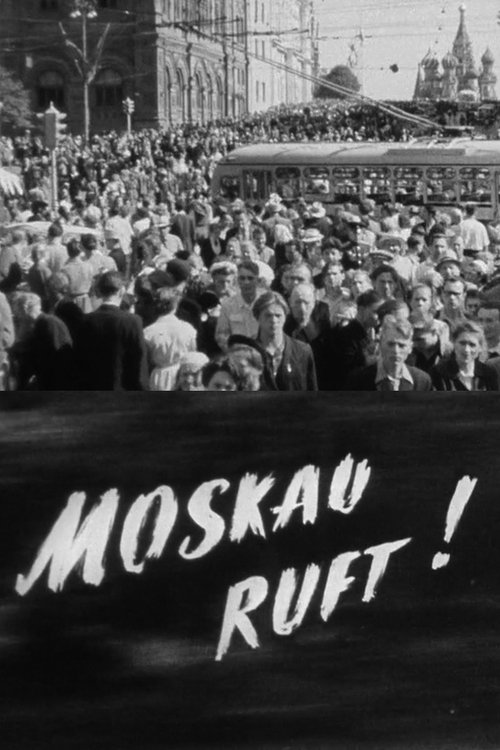
A film made secretly in Moscow by Peter Schamoni during the World Festival of Youth and Students in the summer of 1957. His cameraman was Jost Vacano. During their trip, they made authentic film and audio recordings of a kind that had never been seen before in Western countries.
The film offers three excerpts from the life of a working blind person. It shows in particular the extent to which the guide dog can replace the blind person's lack of sight and how this results in a relationship of loyalty between man and animal of rare intimacy.
Documentary film with fictional elements. The subject of the film is the economic and social reconstruction achievements of the state of Lower Saxony from 1946 to 1950. These are illustrated primarily by annotated documentary footage and graphics, with the reports embedded in a frame story that introduces and structures the retrospective.
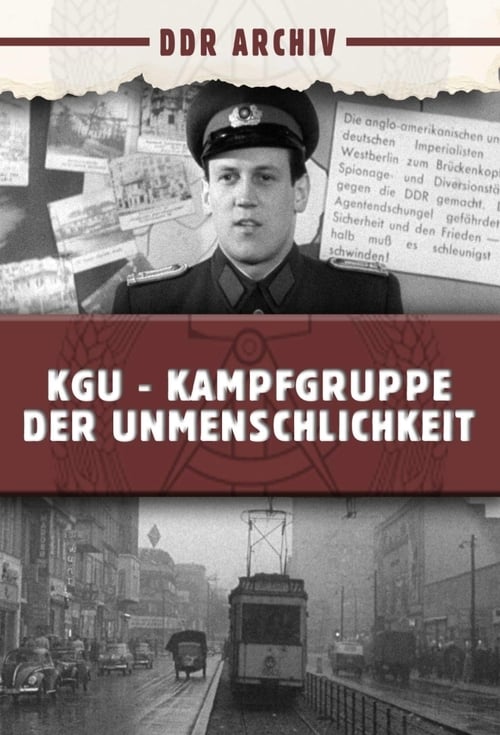
Using documentary material and the testimony of convicted agents, the film attempts to prove that the West Berlin "Kampfgruppe gegen Unmenschlichkeit" was an espionage and sabotage organization. As a militant and anti-communist organization, the KgU supported the resistance against the SED government in the GDR from its founding in 1948 until its dissolution in 1959 and, among other things, founded a tracing service for Western citizens deported to the Soviet occupation zone.
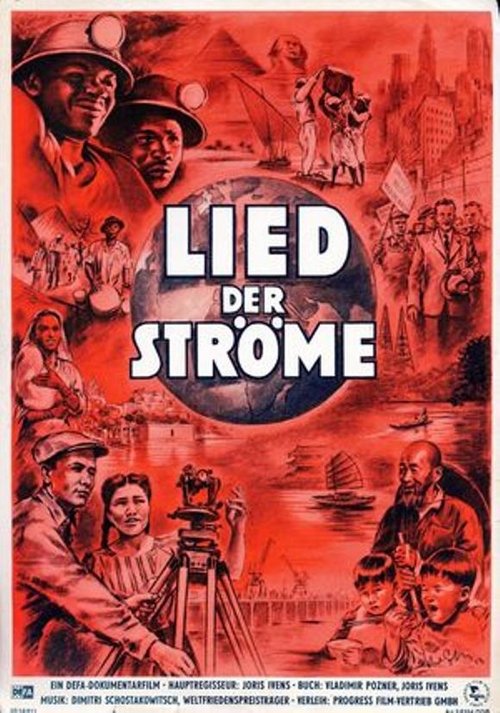
An allegorical documentary about the workers of the world, whose common destinies and hopes for peace are symbolically united by the rivers that run through their respective lands. The film was shot on the Volga, the Mississippi, the Nile, the Yangtze, the Amazon and the Ganges and combines these images of five continents with the music of Dmitri Shostakovich and the poetry of both Bertolt Brecht and Paul Robeson.
A German Film Award commended short documentary on acclaimed Swiss-German porcelain artist Franz Anton Bustelli.
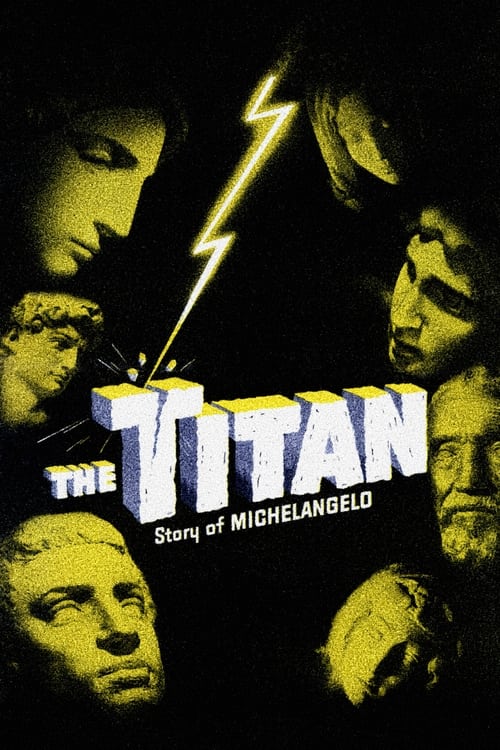
The life and works of the great artist Michelangelo Buonarroti are shown against the historical background of his time. It begins with his earliest artworks, and follows his life and career as he achieves lasting fame. The documentary includes detailed looks at some of the artist's most renowned creations. In 1950 the film was re-edited and new footage shot by Robert J. Flaherty. Preserved by the Academy Film Archive in 2005.
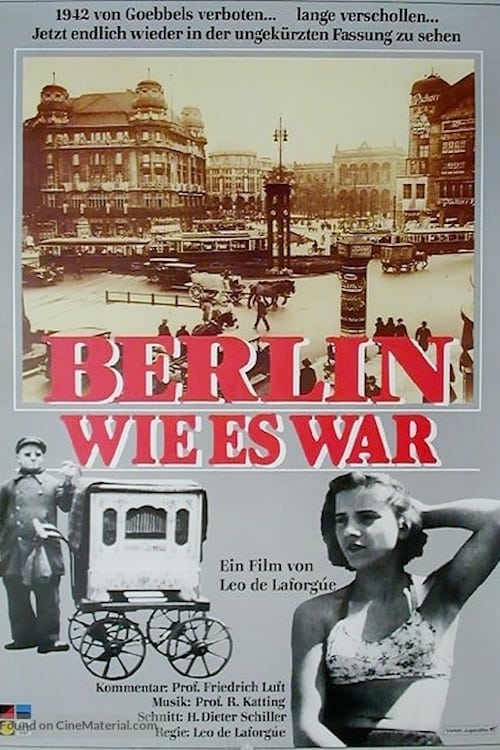
Documentary about the life in Berlin in 1941. The planned premier was stopped by the national party due to the damages and painful changes to the city that soon followed. It thus premiered in 1950.

The film is an appeal by the International Democratic Women's Federation against a new war, calling on all mothers of the world to protect their children.
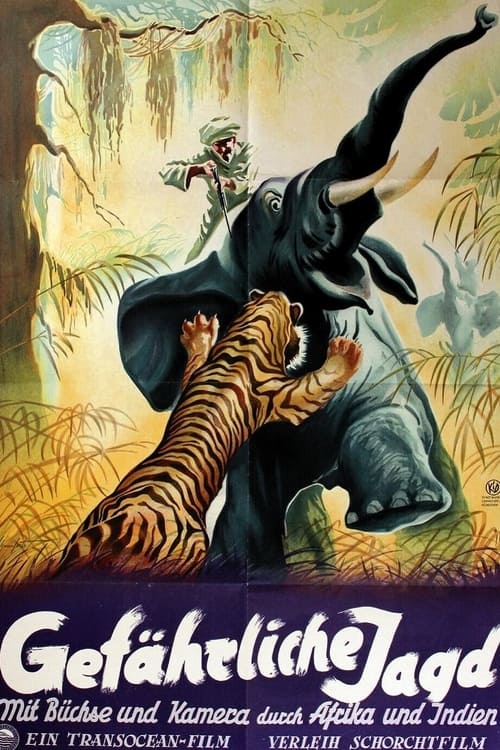
A humorous documentary about a historic hunt in 1929 through the African savannah and Indian jungle with lots of animal footage.
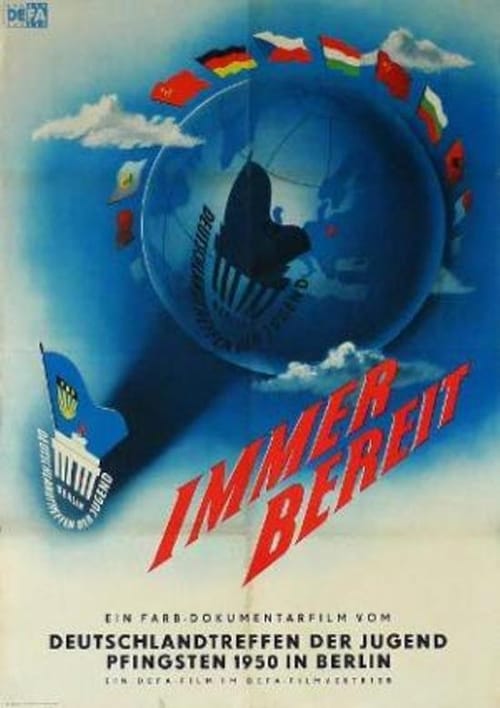
Documentary (in colour) about the first youth meeting (Deutschlandtreffen der Jugend) in East Berlin in 1950.
The film reports on the development of the Berlin zoo. A sparrow tells the story of Berliners' love of animals. Many visitors seek joy and relaxation in the zoo every day. Above all, Berliners are happy that they created the park themselves.
A documentary short film by Ferdinand Khittl on Munich's 800th anniversary.
Short television report about the filming of the movie "Warum sind sie gegen uns?"

The mineral oil tax and its use are taken as an opportunity to examine the topics of road construction and motor vehicle traffic using the example of West German federal highways.
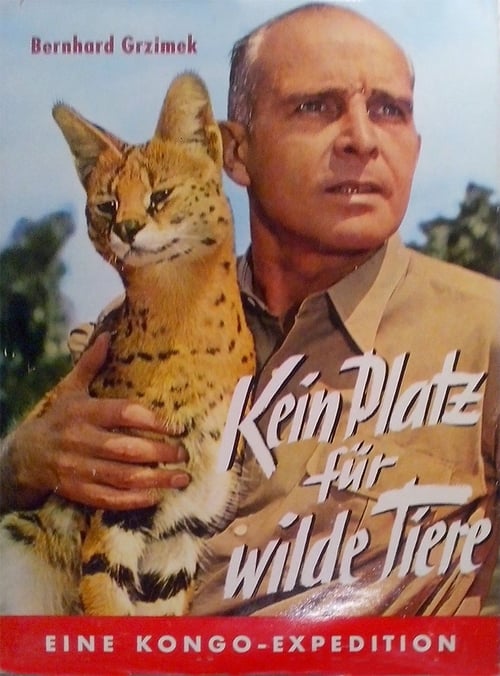
Almost 70 years ago, the then director of Frankfurt Zoo, Prof. Bernhard Grzimek (1909-1987), shot this famous animal documentary about the African continent with his son Michael. The documentary was considered an impressive plea for the preservation of Africa's animal paradises at the time. It vividly illustrates the far-reaching consequences of the impending loss of what were then still largely untouched natural landscapes. Despite visible signs of age, the film has retained much of its fascination as a contemporary document to this day.
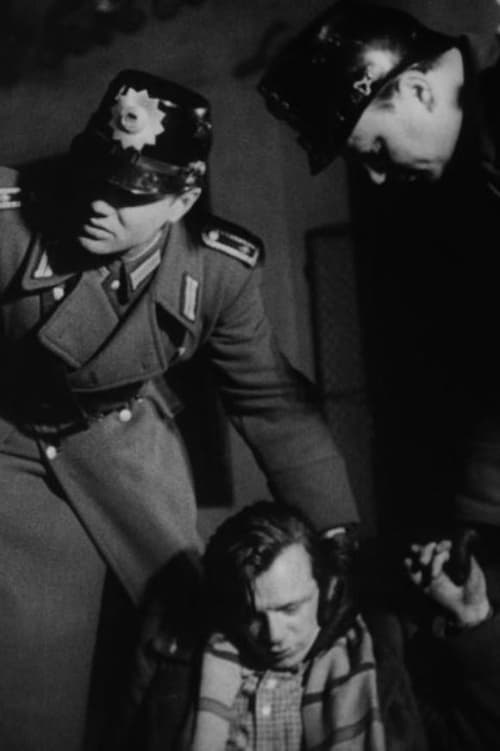
Black and white short documentary about the patrol of the EMW radio car "Toni 14" of the Berlin police.

In order to determine the ability to drive after drinking alcohol, three men take various tests when sober and when drunk.
Short by Bernhard Dörries, Edgar Reitz and Stefan Meuschel.
A critical documentary about the rearmament of the German armed forces.
This documentary is the first co-production between the GDR and the CSR, showing Czech pioneers exploring the island of Rügen and the "Ernst Thälmann Pioneers" climbing through the High Tatras. Motivated and full of curiosity, the children from the CSR experience the beauty of the sea, sail on the training ship "Wilhelm Pieck" and enjoy swimming on the island of Rügen. The parallel visit of the GDR pioneers gives them exciting and unforgettable experiences on a cable car ride to the peaks of the High Tatras, where they learn a lot about the flora and fauna and recognize the overwhelming beauty of the mountain world with a good view.
Experiments on the crystallization of various inorganic substances: crystallization from solution, crystallization from melt and vapour phase, mixed crystal formation, oriented growth, change from a metastable into a stable phase.
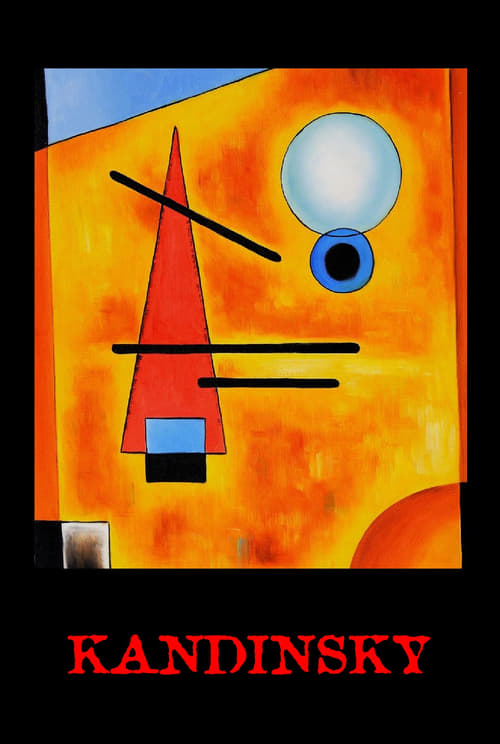
The Russian painter Wassily Kandinsky claimed, or has been credited with, the 'creation' of abstract art. At the core of this film is a dramatic recreation of Kandinsky's account of returning to his studio one dark evening, and being astonished by an unknown masterpiece of abstract art leaning against the easel - a picture which turned out to be one of his own landscapes fallen on its side. 'Now I knew for certain that the object spoiled my pictures.' While this film's narration does indeed emphasize the notion of an inspired breakthrough to Abstraction, the picture it conveys in more purely filmic ways is a rich and complex one.
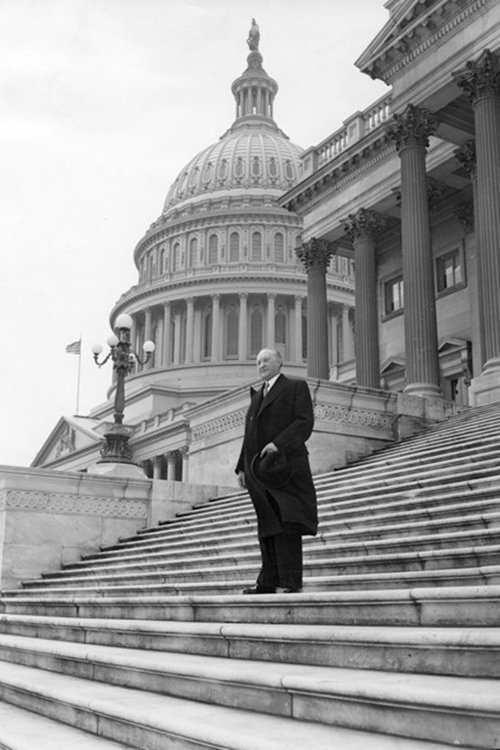
Chancellor Adenauer is accompanied on a tour of the United States and Canada.
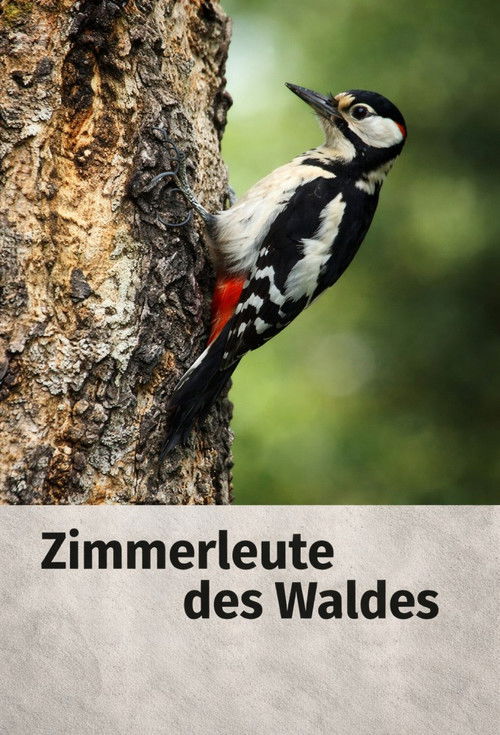
An innovative production from the world-renowned filmmaker and passionate naturalist Heinz Sielmann, Woodpecker (Zimmerleute des Waldes) is an intriguing celebration of these territorial birds known for their distinctive knocking.
The film gives a survey on innate behaviour patterns of the grey-lag goose. The first part shows reproductive behaviour. In the second part some behaviour patterns of gosling being imprinted on their human foster parent are shown: following reaction, separation of two flocks according to their imprinting, response to the alarm call and landing "by order" of the flying young.

The traditional and modest life in deep rural Crete. A film on the verge of traditional documentary film and an attempt to find a new direction in terms of what documentary film could be. An envious look at contemporary works by his fellow filmmakers from the British Free Cinema, obviously spurred on director Pitt Koch’s ambition.
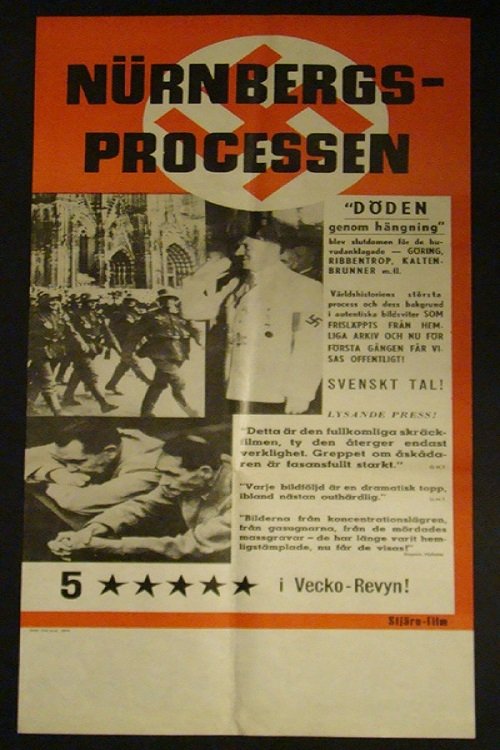
Documentary with recordings from the Nuremberg war crimes trials.
Short film directed by Wolfgang Kiepenheuer
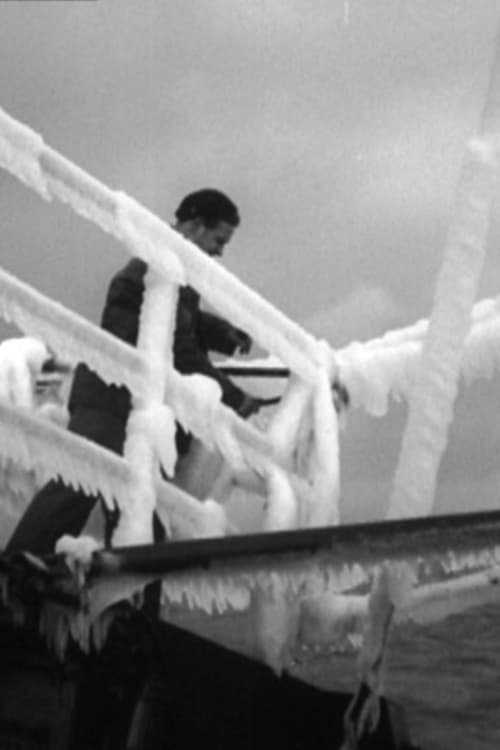
Five cameramen of the DEFA travel with the trawler ROS 206 to its fishing grounds in the Arctic Ocean. The journey to the grounds takes 5,5 days. Day and night the nets are thrown out and pulled aboard again when they are full. After three weeks of hard work the trawler returns to its home port. Here the fish are loaded into refrigerator cars, and the sailors enjoy some days of wll-earned rest.
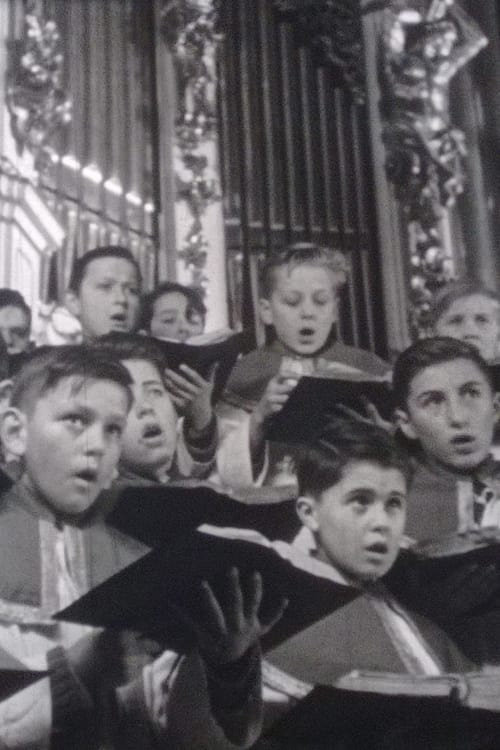
Short film about the Austrian diocese of Sankt Florian near Linz.
A short film about the new generation.

On October 13, 1957, cash was exchanged in the GDR (old bills 1:1 for new bills). The film reports on this event.
Documentary about Borneo, the island of beauty, passion and demons
Each portrayed painter produced an experimental animated short film to be featured in this film. A short film by Herbert Seggelke.
The film begins by depicting the social courtship of the drakes. With increasing intensity of the instinctive movements actual pair formation is reached and mating follows, accompanied by prelude and postlude. The fight of the males follows and finally the attempt of a rape.
Hans Schomburgk reflects on his life as a researcher. He recounts experiences, adventures, and insights he has gathered over the course of 60 years between Cape Town and Congo. The film shows the changes that Africa has undergone in terms of nature and culture during this period, comparing yesterday and today.

At the technical college for applied arts in Sonneberg, young toymakers learn to make toys that stimulate children's imaginations based on pedagogical experience.
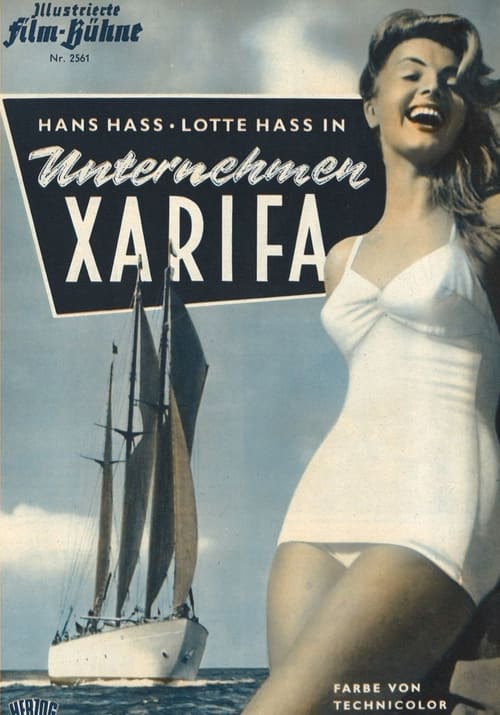
Under the Carribean is the name of a film that was filmed between August 1953 and April 1954 during Hans Hass's exhibition to the Galapagos on his research ship Xarifa. The expedition members' work on board and under the water, as well as their new discoveries, make up the material for this documentary, which is embedded in a fictional plot. Lotte Hass, an underwater model, is one of the main actors.
An insight into horse breeding in Celle.
Short film directed by G. H. von Koerber
An overview of the ruins of Angkor, the former capital of the Khmer Empire.
Short documentary about eels
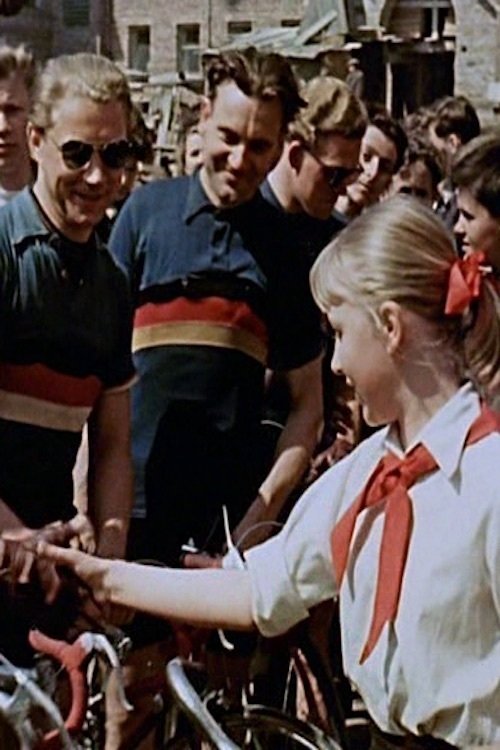
This colour documentary reports about the 5th international peace journey which took place from 30 April to 13 May 1952 and in which 94 drivers from 16 nations took part. Twelve individual stages from Warsaw via Berlin to Prague had to be mastered. The total length was 2135 kilometres, and for the first time the Peace Journey was also held on GDR soil. The individual stages are reported with gripping film shots, short portraits of the cities and regions complete the itinerary. Exciting duels, crashes, winners, but also enthusiastic spectators and cheering workers at the roadsides show the sport from different perspectives. Intermediate cuts and reviews of the expansion and reconstruction of the cities of Warsaw, Berlin and Dresden are also part of this documentary film, as is a critical report on Bloody Sunday in Essen and the police's action against opponents of rearmament in West Germany.