A chronicle of the Russian Revolution of 1917, from the bourgeois democratic February Revolution to the great socialist October Revolution and the final triumph.
Anniversary of the Revolution
6.7 1918
37 Matches Found
A chronicle of the Russian Revolution of 1917, from the bourgeois democratic February Revolution to the great socialist October Revolution and the final triumph.
The epic story of the Russian Civil War (1918-21): the White Terror, the counterrevolutionary uprisings, the guerrilla war, the Kolchak front, the Wrangel front and the Kronstadt rebellion. Chaos and violence, devastation and death.
This newsreel documentary was shot by Lev Kuleshov in 1919, which once credited to Dziga Vertov. A fragment of this newsreel was shown in the documentary The Kuleshov Effect (1969), where Kuleshov talked about his early film work, claiming this short newsreel as his own work.
This film shows the leaders of organizations that emerged after the Russian Revolution. It is the fragment of ‘Anniversary of the Revolution’ made by Vertov in 1918.

This film records the vast public response to the early death of Vera Kholodnaya, the first star of Russian cinema.

Dziga Vertov-directed Soviet newsreel covering: A bet is placed on the outcome of the Trial of the Socialist Revolutionaries / The verdict / People in streetcars and on the street / A crashed aircraft / Reconstruction of streetcar line 13 / Peacetime use of tanks – airport construction work.
Filming of the collection of donations during the cinematic film week "To a Soldier in the trenches" in Moscow at the A. Khanzhonkov Theater on November 30, 1915.

Dziga Vertov-directed Soviet newsreel covering: Trial of the Socialist Revolutionaries / Demonstrators carrying banners.

Dziga Vertov-directed Soviet newsreel covering: Trial of the Socialist Revolutionaries / Motor race Moscow – Sevastopol' / Barges loaded with grain are sent to the starving in the provinces / The Caucasus and its resorts.
Dziga Vertov-directed Soviet newsreel covering: The opening of an electric generating station / Trial of the Socialist Revolutionaries.

Dziga Vertov-directed Soviet newsreel covering: International Youth Day and demonstrations / All-Russian Olympiad / Streetcar collision / Construction of automobiles in a Petrograd factory.
Dziga Vertov-directed Soviet newsreel covering: All-Russian Congress of Trade Unions / Delegations and diplomats / Renaming of a confectionery factory / Unloading supplies / Komsomol Day / Red Army maneuvers.
Lost Dziga Vertov-directed Soviet newsreel
Dziga Vertov-directed Soviet newsreel. The first themed issue of Kino-Pravda, devoted to the fifth anniversary of the October Revolution in 1922.
Dziga Vertov-directed Soviet newsreel covering: Streetcar collision / Arms manufacturing plant resumes operation / Assembling an automobile / Bicycle and motorcycle races / A parade of Red Army armored units and an attack exercise.

One of the few known films shot in 1917 in Ukraine (UPR). The film contains portrait of the head of the General Secretariat - the first government of Ukraine, Volodymyr Vynnychenko, the head of the Ukrainian Central Rada, Professor Mykhailo Hrushevsky, with a group of members of the UCR near the Pedagogical Museum in Kyiv, where the Ukrainian Central Rada worked, and a group of delegates to the eighth session of the UCR.
Dziga Vertov-directed Soviet newsreel covering: Peasant People's Commissar for Agricultural Affairs, Vasilij Jakovenko / Health resort Soči / Sanatorium for children / Harness racing - The first Red Derby.
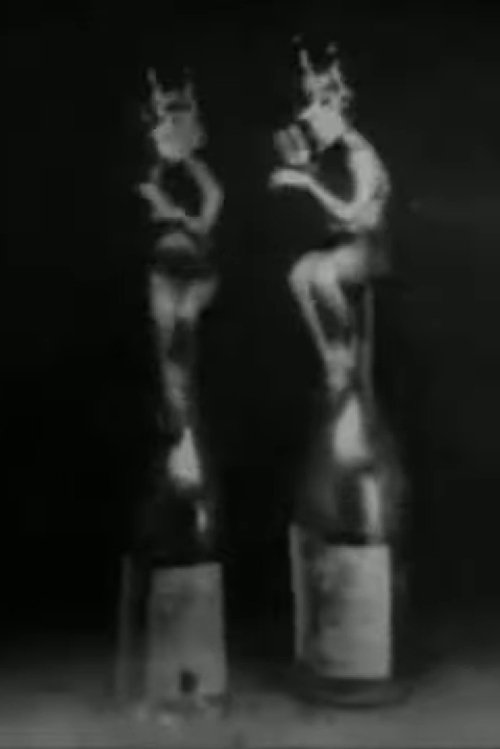
Alcoholism and its Ill-Effects was considered to be one of the most popular science propaganda (or educational) films produced in Russia before the revolution of 1917. Alexander Khanzhonkov, the most prominent Russian film producer of that era, financed a special department dedicated to non-fictional cinema, despite the fact that such films were not commercially successful. Unfortunately, not a single copy of the film has survived to the present day. All that remains are 12 frames, which were used by Izvolov to create this reconstruction. He also used extracts from critical reviews, published at the time of the film’s release, to produce a soundtrack.
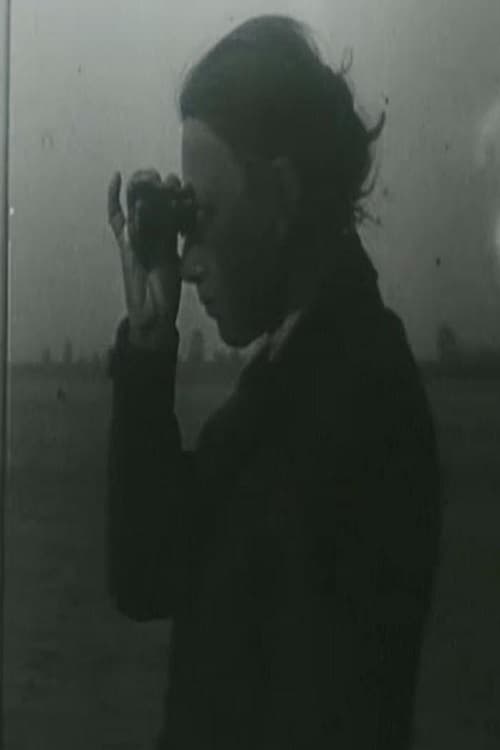
The Kino-nedelya newsreels constitute the first films of Dziga Vertov. A total of 43 issues, each containing an average of 5 to 7 different items, were produced between May 1918 and June 1919. In the fall of 1918, Vertov joined the newsreel’s ranks and soon took on full responsibility for the series, defining the content and structure of each issue. The films provide an invaluable record of life in the young Soviet Russia, then in the throes of civil war.

Dziga Vertov-directed Soviet newsreel covering: Starving children / Requisitioning of valuables possessed by the Russian Orthodox Church / Fundraising flights in support of the hungry / Trial of the Socialist Revolutionaries.
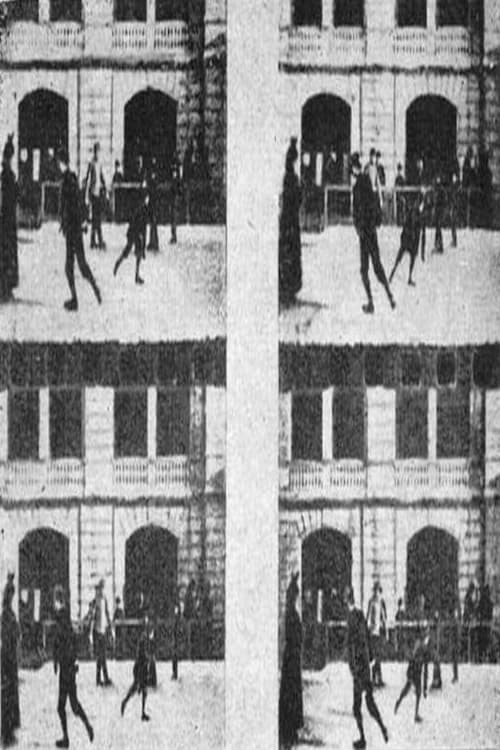
The film was about a group of Polish ice skaters at the slide of the Warsaw Ice Skating Society. The film was filmed using a pleograph which was an early type of the movie camera invented by Kazimierz Prószyński.
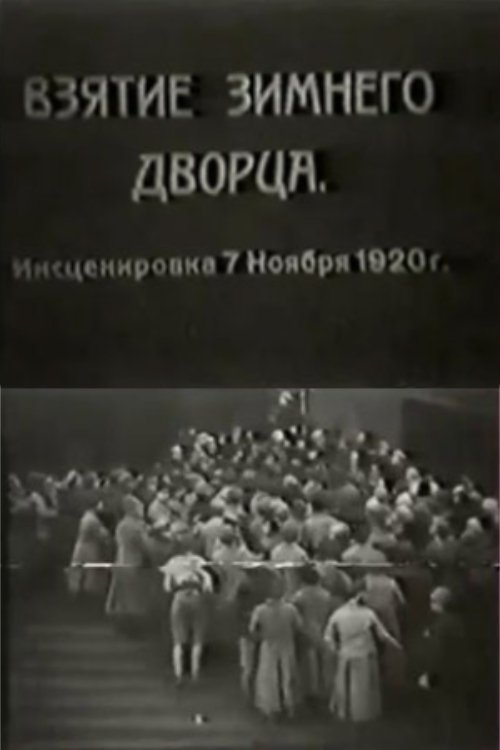
Screen version of a mass performance held on November 7, 1920 on Palace Square with the participation of Proletkult artists and a crowd of several thousand people. The performance reproduced the events of the October coup d'état. Two platforms were built on Palace Square - "white" and "red".
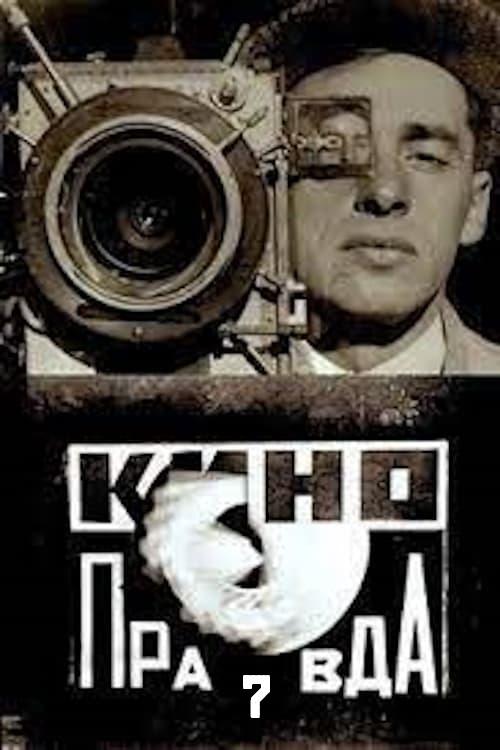
Dziga Vertov-directed Soviet newsreel covering: Trial of the Socialist Revolutionaries / Rebuilding of the destroyed Siberian village of Taseevo / Railroad station Sljudjanka / Abandoned mica pits near Lake Baikal / Soči health resort / Chudjakovskij-Park / Beach near Tuapse / The loading of silk / Afghanistan, Kabul / Peacetime use of tanks / Mountain road / Chapel in the Caucasus.
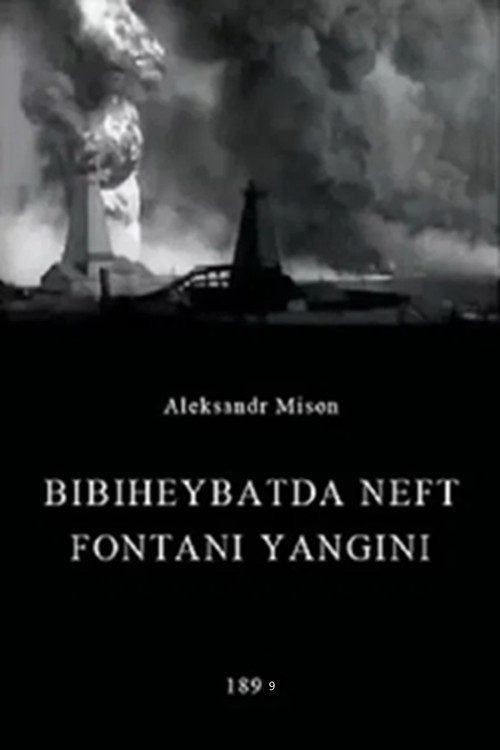
The film was filmed in Bibi-Heybat, a suburb of Baku (now the capital of Azerbaijan), during a fire at the Bibi-Heybat oil field. The film was shot on 35mm film by the Lumiere brothers in 1898. On August 2 of the same year, a demonstration of Alexander Michon's program took place, which included the film "Fire at an oil fountain in Bibiheybat".
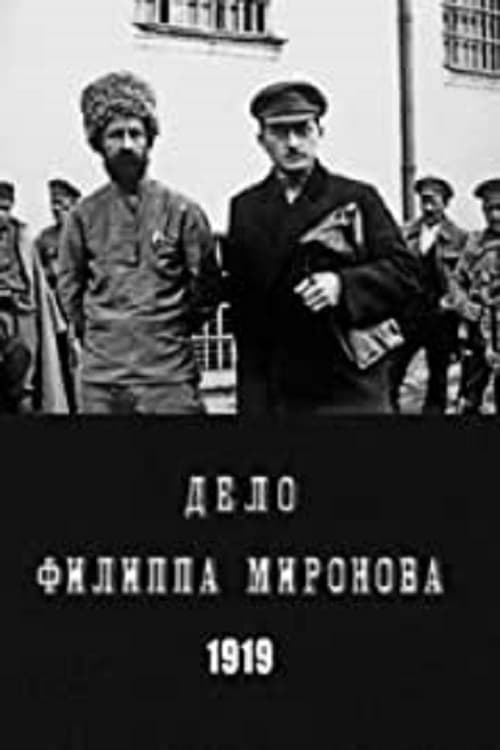
Newsreel of the trial of the Cossack commander of the 2nd Cavalry Red Army Filipp Kuzmich Mironov. The part of The History of the Civil War—compilation film created by Vertov in 1921.

Dziga Vertov-directed Soviet newsreel covering: Congress of the "Living Church" / Opening of the horse racing season / Demonstration of an American movie camera / Operation of mobile projection units.
A documentary fiction propaganda film about the famine in Ukraine in 1921-1922. Among the causes of the catastrophe, in addition to drought, the film mentions the consequences of revolutionary events. It shows swollen children, destroyed factories and plants, burning villages, dead cattle, and a number of actions aimed at helping the victims: the work of the Commission for the Relief of the Starving under the All-Ukrainian Central Executive Committee, the organization of feeding stations, workers donating their three-day salary to help the famine victims, etc. The very first film made in Odesa under the auspices of the newly founded VUFKU in nationalized pavilions that until recently belonged to film magnates Kharytonov and Borysov.
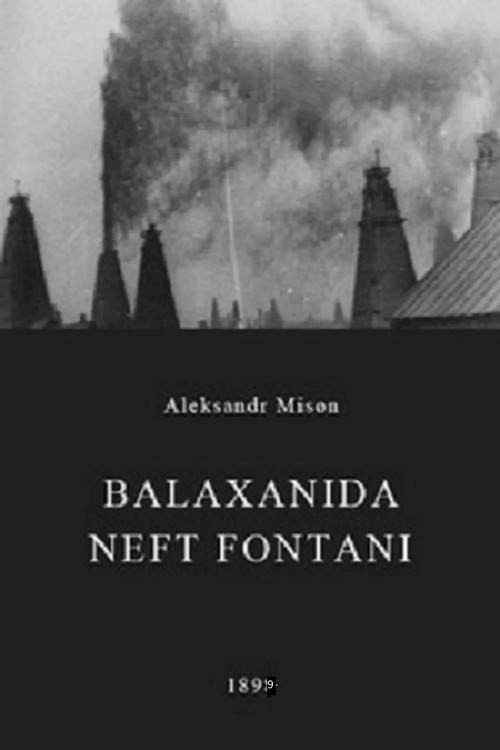
Dramatic view of an oil well fire in Baku.
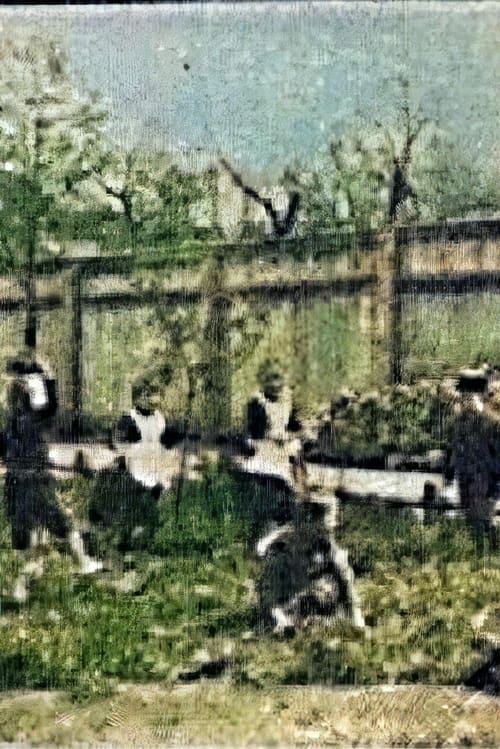
A group of children is playing in the garden.
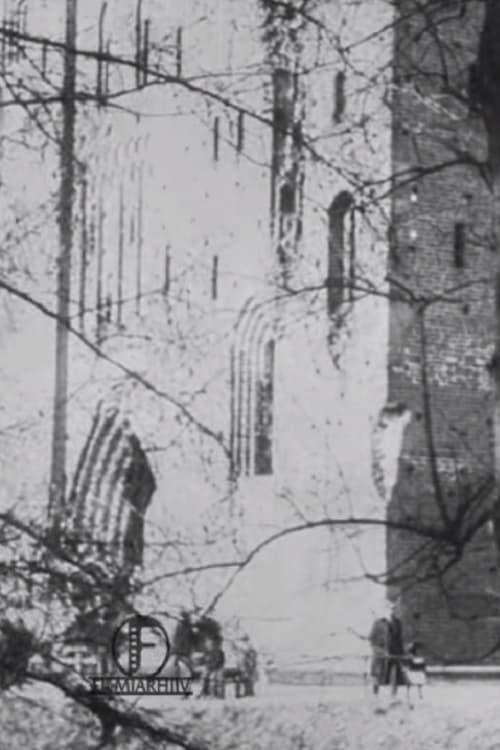
This film will take you to Tartu and Southern Estonia countryside locations like: Vooremäe, Helme, Karksi, Tarvastu, and Härgmäe (Ergeme in Latvian) in Northern Latvia; then on to the towns of Viljandi, Paide, Narva.
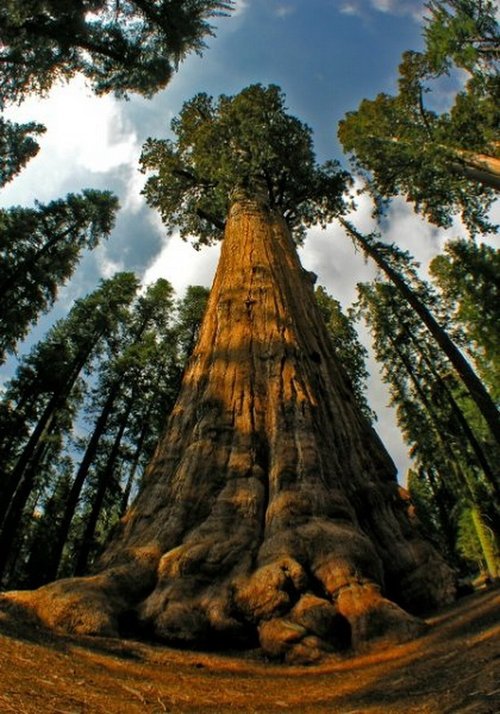
Unbelievable but True, World's Largest Group of Natures Living Wonders.
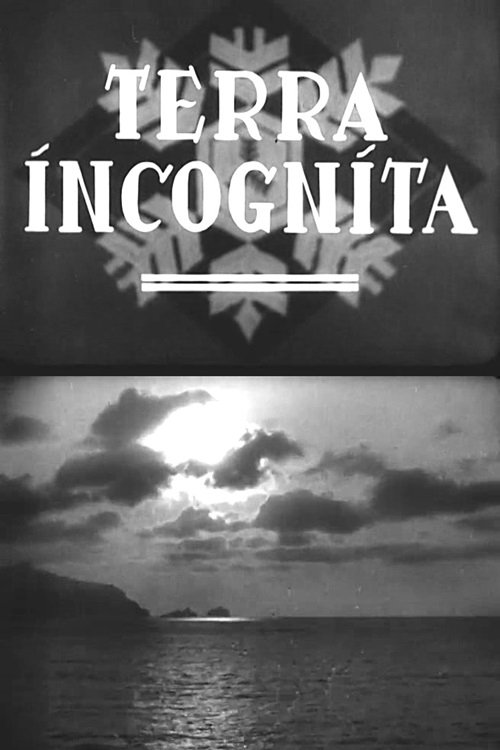
The film tells the story of how the participants of Alexander Litvinov's film expedition spent a year and a half in Kamchatka, covered about 8,000 kilometers along a difficult route and captured the unique way of life of the indigenous population and the life of the new, Soviet Kamchatka.
Circulation of passers-by and cars in the paved street on the occasion of the Tsar's coronation.
A lost newsreel with a self-evident title. One of the first films made on the territory of modern Belarus.
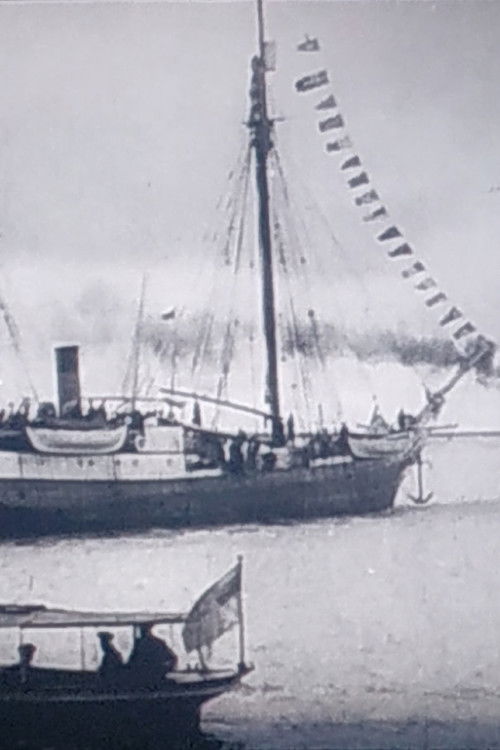

A film capturing Russian Emperor Nicholas II visit to Riga. Considered to be the first film shot in the territory of Latvia.