Down-trodden Peach Blossom
0.0 1935
438 Matches Found
A married couple living in a desolate small town in post-WWII China are paid a surprise visit by an old friend of the husband's.
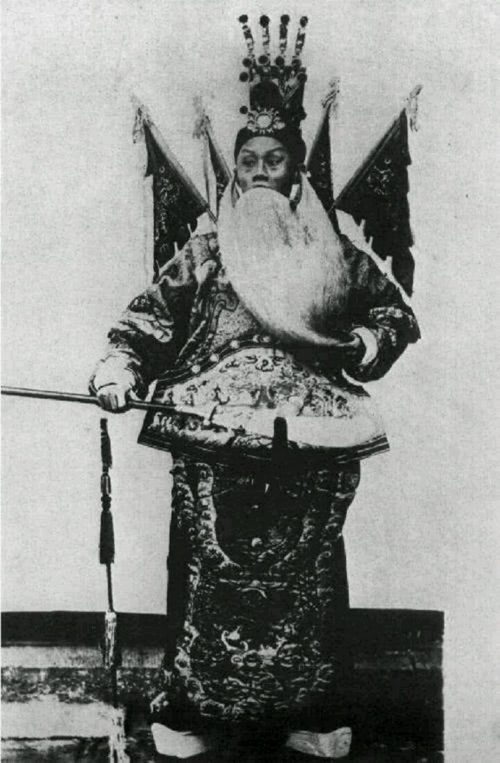
The first Chinese film ever made, a sung representation of Battle of Mount Dingjun.

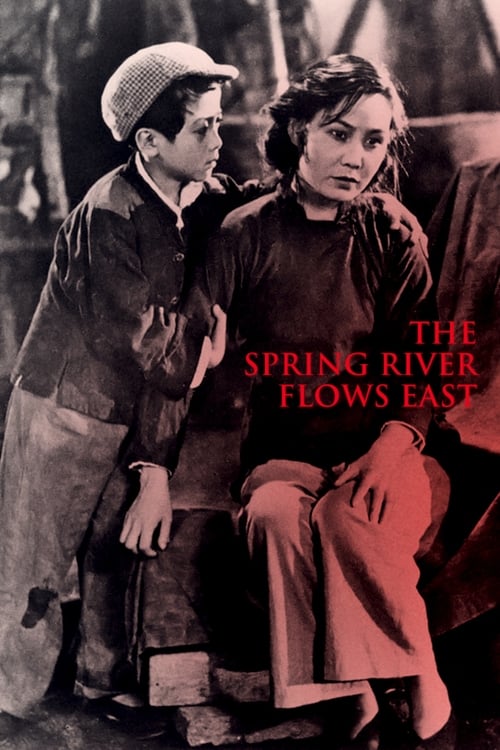
1930's China. The village of a poor family is taken over by the occupying Japanese army. One son, Zhongliang, leaves his wife and young son to join a medic group for the Chinese Army. The other son, Zhangmin goes into hiding to protect his family. The focus shifts back and forth from the brothers' parents and Zhongliang's wife and son to Zhongliang's newfound life of luxury in a town not too far away. The plight of Zhongliang's mother, his wife, Sufan and her son, Kongeson is contrasted with Zhongliang's rise in a flourishing company.
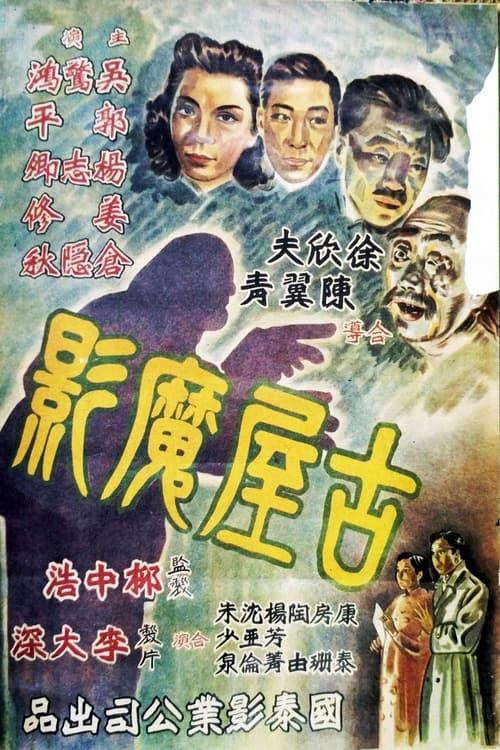
The owner of the old house Xiangyun Villa, Wu Jishan, died a year ago and has yet to be buried, so the residents of the neighborhood regard the place as a murderous mansion. On the anniversary of his death, his only daughter, Yunfang, returns from her studies abroad, accompanied by her fiancé, Zhang Shouyi, and many of her relatives. Lawyer Song announces his will in public: 1. The distribution of the property is described in the second will; 2. The second will will be announced in three days; 3. If Yunfang is dead, the property will be inherited by her fiancé; if she dies without being married, her nearest relatives will inherit. All at once the people are suspicious of each other and create murder, while all the actions are watched by the servant Lao Cai and Wang Yiping, the assistant of the lawyer Song. In the end, the culprits are caught and Yunfang and Yiping become a loving couple.

The film focused on a conflict between Empress Dowager Cixi, her son Guangxi (the nominal emperor) and his wife, Zhenfei.
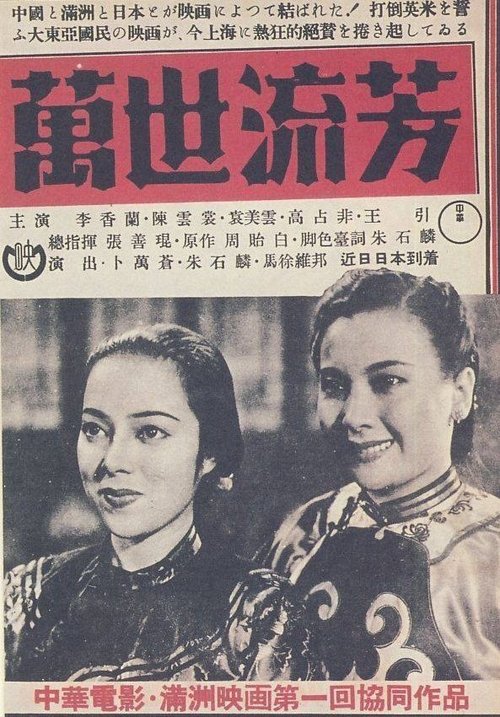
The life and story of Lin Zexu and the First Opium War.
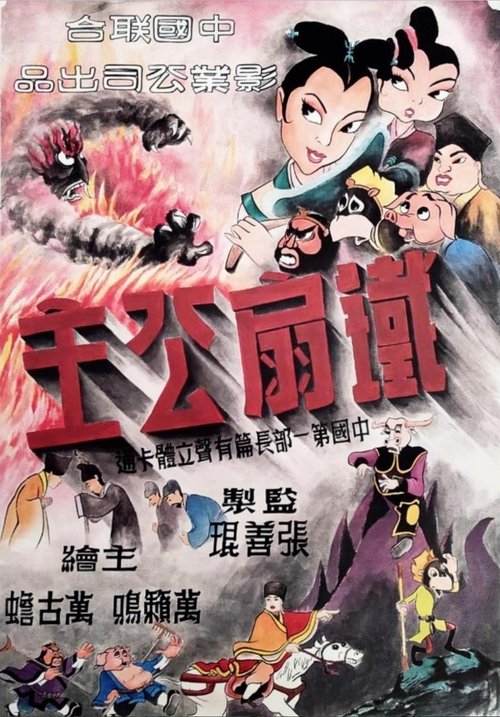
The story was liberally adapted from a short sequence in the popular Chinese folk tale Journey to the West. Princess Iron Fan is a main character. Specifically, the film focused on the duel between the Monkey King and a vengeful princess, whose fan is desperately needed to quench the flames that surround a peasant village.
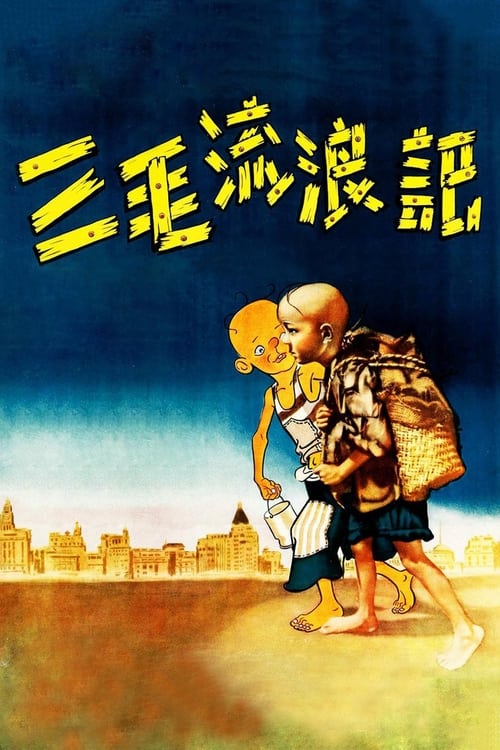
San mao (3 hairs) was a very popular Chinese comic strip first published in 1935-37, continued from 1948 into the 1990s, about a young orphan boy struggling with life in Shanghai.
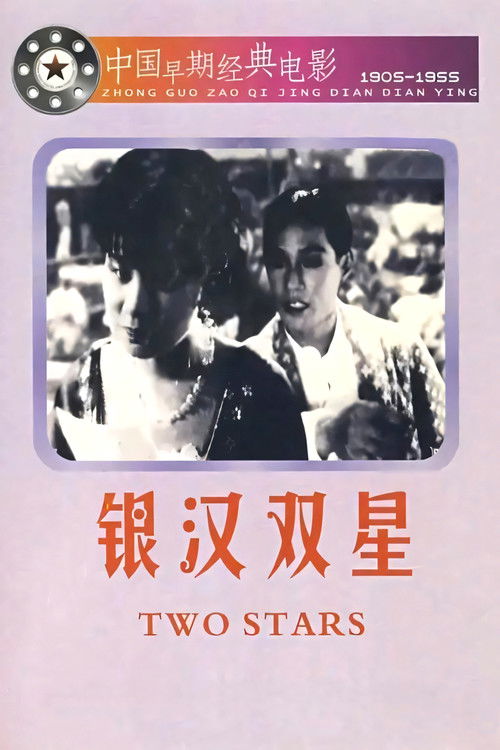
This is a silent film from China made in 1931. It is about two leads in a film, Yan (Raymond King) and Ying (Violet Wong). They meet after hearing Ying sing while another movie is being shot. You, of course, don't get to hear the song, but it catches people's attention. Once they meet and work together, they fall in love. Is it forever?
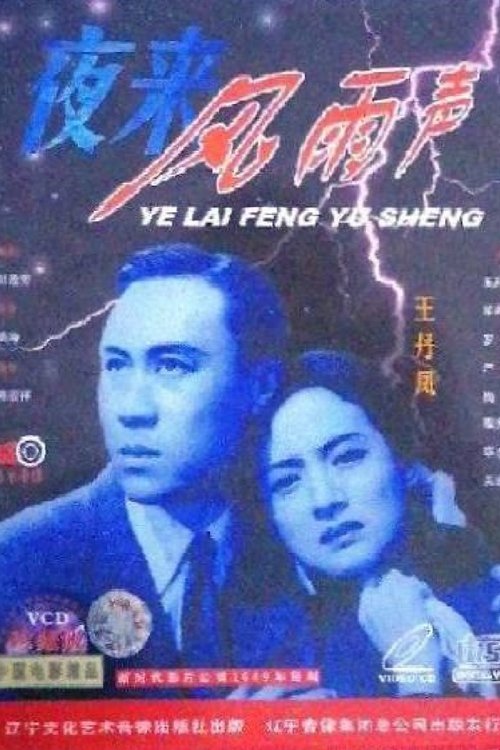
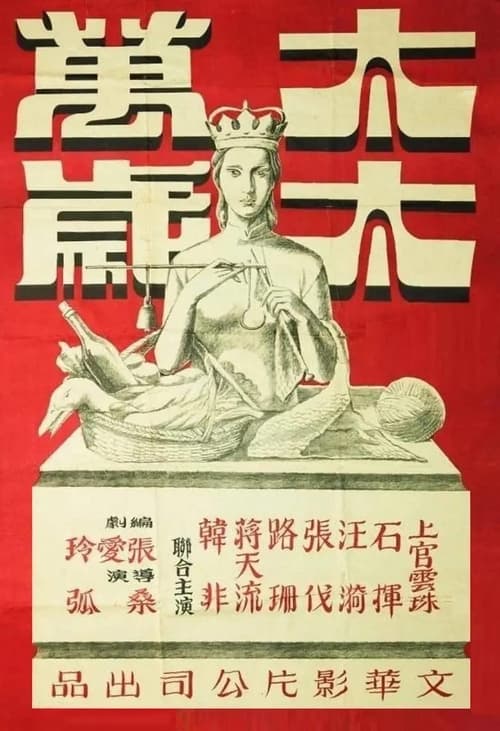
A man who becomes wealthy starts to have an affair and though his wife knows of it, she says nothing. Soon, the affair starts to have consequences and his business falls apart while the man’s sister starts to have a relationship with the brother of his wife.
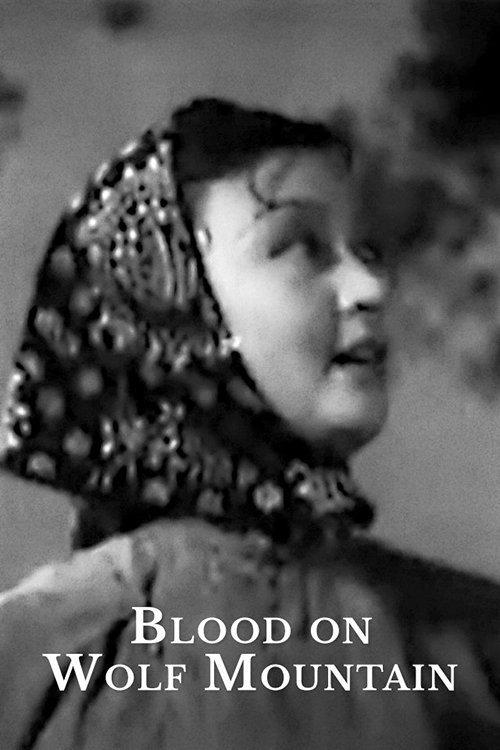
Blood on Wolf Mountain tells the story of a village that is beset by a pack of wolves. Made just prior to the commencement of full-scale war with the Japanese, the film itself is often considered an allegory of conflict between China and Japan.

In this Chinese version of The Phantom of the Opera, the mysterious Song Danping terrorizes the newly rebuilt opera house and its young star.
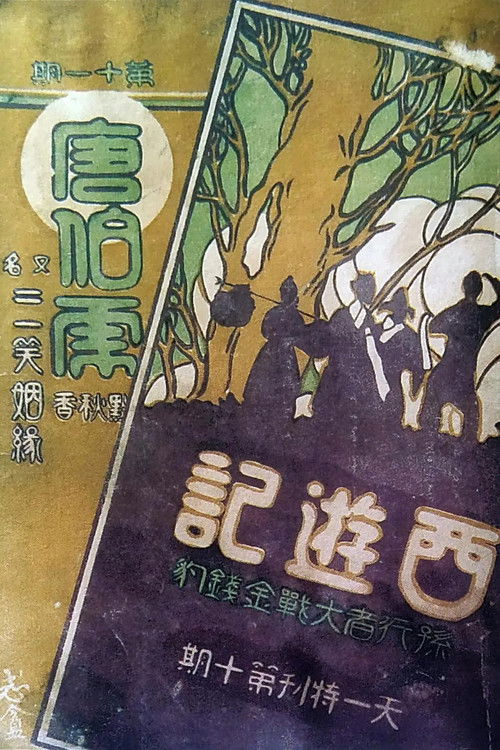
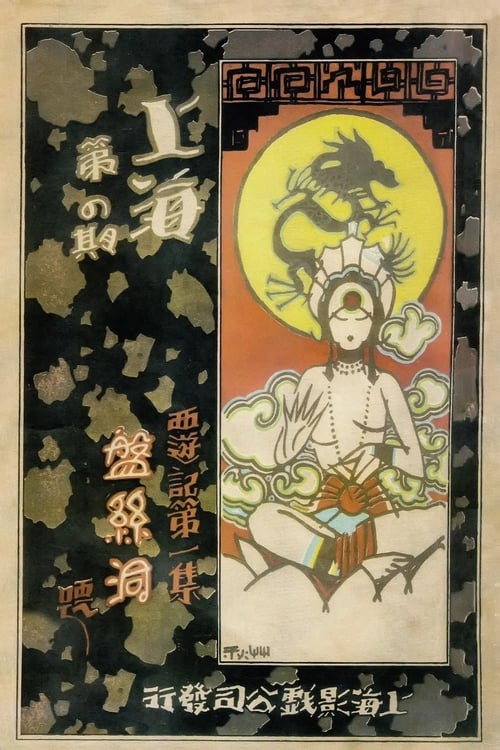
One of the earliest cinematic adaptation of Chinese classic novel Journey to the West. When seeking for food alone, Tang Xuanzang was kept prisoner by seven spider monsters who took the form of seven beautiful women. The Monkey King and the other two of Xuanzang's disciples managed to rescue him with the help of Avalokitesvara Bodhisattva/Guanyin. They renounced the desire for lust and continued the quest for Buddhist Scriptures.
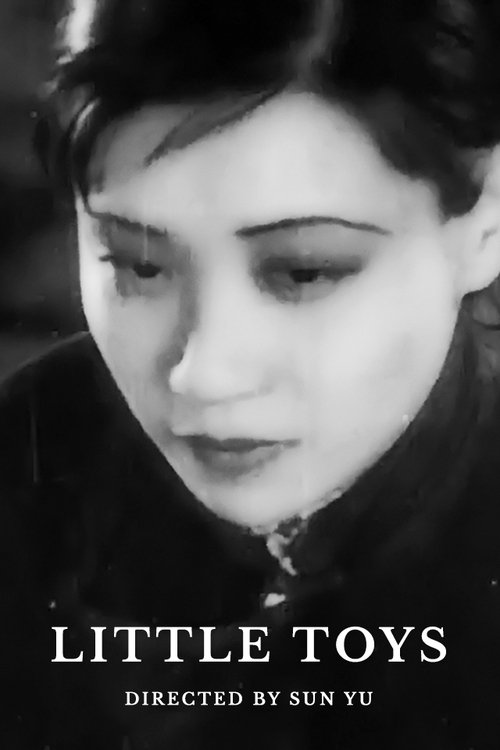
Sister Ye lives in a rural village, where everyone makes traditional toys. When Sister Ye's husband dies of an unknown illness, and while Ye is attending to him, her son is kidnapped and sold to a wealthy lady in the city of Shanghai. Shortly after, the village is destroyed during an attack between rival warlords, forcing the villagers move to the city, where they continue to make toys. Ten years pass, and Ye's daughter Zhu'er has become a toy designer. While helping the Nationalist army at the rear, Zhu'er is killed in an attack by the Japanese. On New Year's Eve, Sister Ye is dressed in rags, sitting on the curb, selling toys. A young boy buys toys from her, and it is none other than her son, whom she does not recognize.

Based on the famous 18th century Chinese novel with the same name. Set during the 1700s in China, a prominent family loses its good luck when one of the sons loses the jade chip that was embedded in his mouth.
Informed by the conviction that film was a means to advocate patriotism, Lai established China Sun Motion Picture Company in the early 1920s. He teamed up with friends to follow Dr Sun, traversing provinces for several years and filming precious historical moments such as Sun's inspection of the country and the Northern Expedition led by Chiang Kai-shek after the death of Sun. Some of those footage was edited into A Page of History, available to the public today, albeit deteriorated and incomplete. The Battle of Shanghai records the famous conflict at the beginning of the war in 1937 when, fervently resisting the invading Japanese army, 800 soldiers defended a warehouse until the very last moment. Shot by Lai and his team at the risk of death, the film is now an invaluable visual document in Chinese modern history.
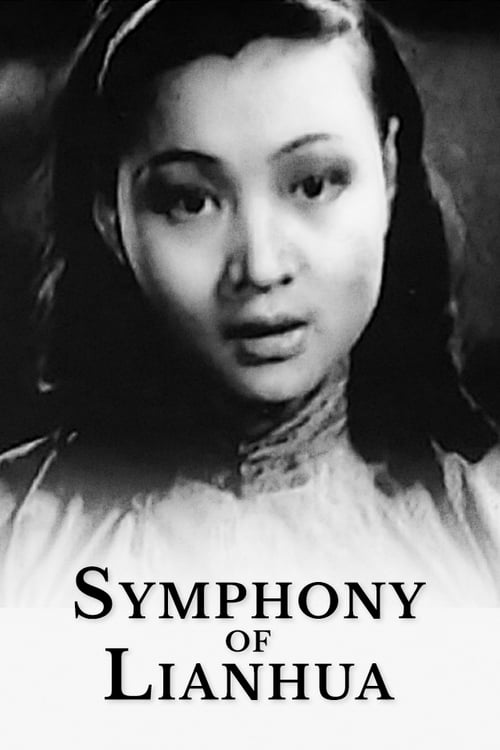
"Lianhua Symphony" - a small collection, consisting of eight short films shot in 1937 by young filmmakers Shanghai Lianhua Film Company. Part 1: Two Yuans (兩毛錢) directed by Situ Huimin / Part 2: Nightmares in Spring Chamber (春閨斷夢) directed by Fei Mu / Part 3: The Stranger (陌生人) directed by Tan Youliu / Part 4: Three Friends (三人行) directed by Shen Fu / Part 5: Landscape Under the Moonlight (月下小景) directed by He Mengfu / Part 6: The Ghost (鬼) directed by Zhu Shilin / Part 7: Rhapsody of a Madman (瘋人狂想曲) directed by Sun Yu / Part 8: Five Little Brothers (小五義) directed by Cai Chusheng
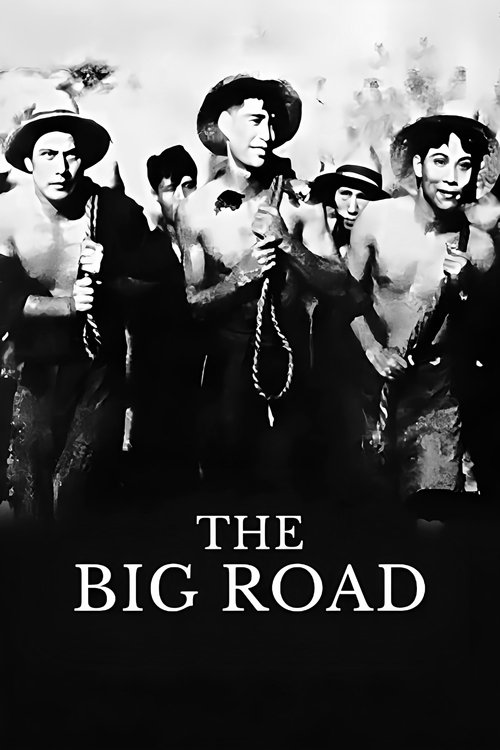
Six young men from the city take jobs building roads for the Chinese Army
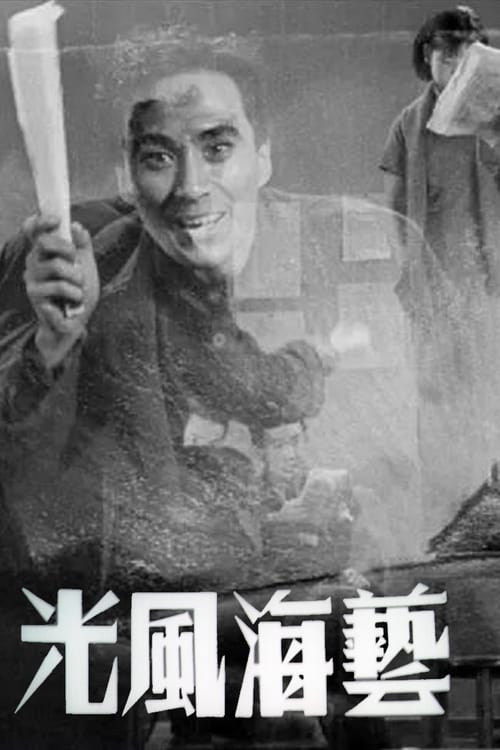
Three stories about art stages. "Film City", "Drama Group" and "Dance Class".
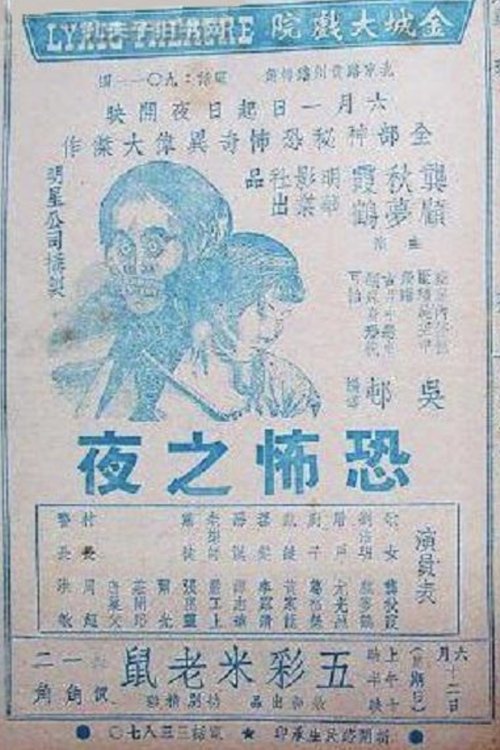
After a flood, the Sea Charity Association sends Liu Hao Ming to a village to direct the burial of corpses. Hao Ming meets the singer Ruyun and her father there, and advises Ruyun not to sing a beautiful song, but to sing “The Beauty of Yu” instead, which Ruyun obeys to the full applause of the audience, but arouses the displeasure of a butcher, Sa-zuo, and others. When the flood comes again, the village people go to Shanghai to evacuate. Sa-zuo and the others ask Hao-ming for help, and Hao-ming leads them to an empty mansion to spend the night, where they run into Ruyun's father and learn that Ruyun has been separated. A female ghost haunts the house and they all escape from the house. Hao Ming does not see Ruyun's father and goes back to look for him, but he sees that the female ghost is Ruyun.
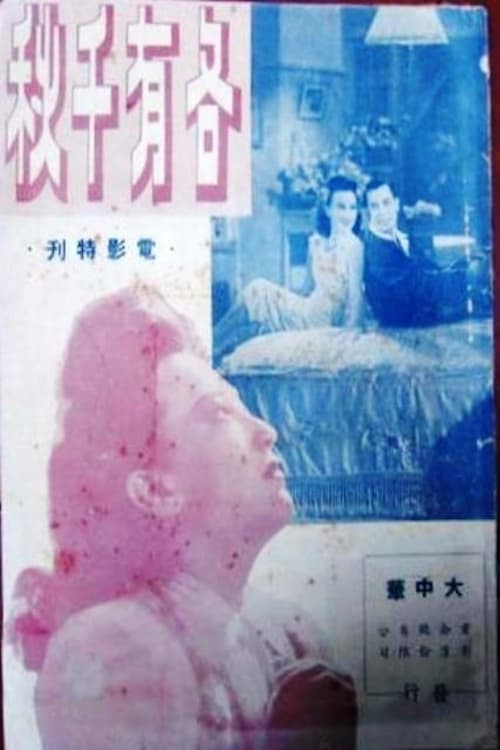
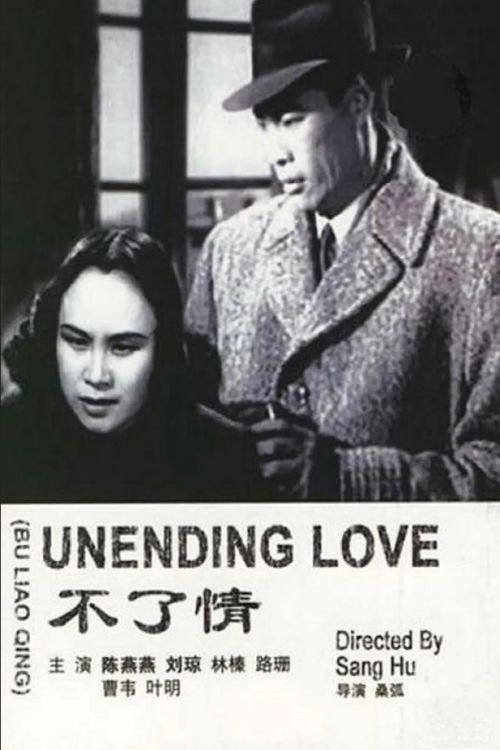
Yu Jiayin falls in love with the father of the girl she tutors.
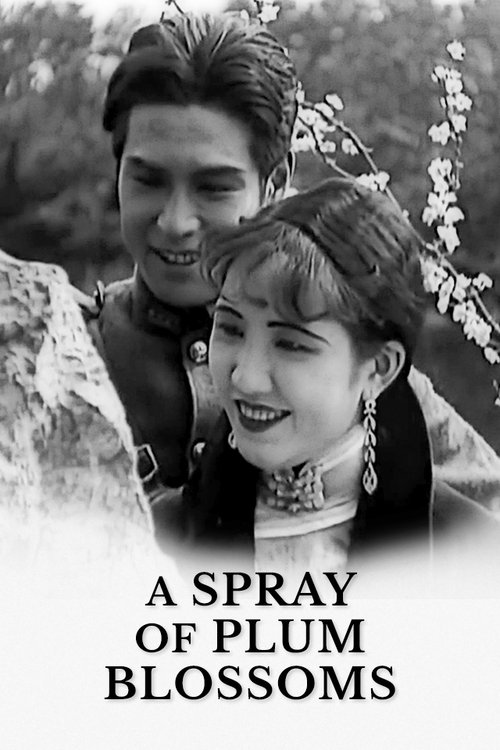
Bai Le De and Hu Lun tung are military cadets. After graduating, Hu Lin Tung is appointed captain of Guangdong headquarters and goes away. Later, Bae Le De is also appointed to a post at the same place. Hu Lun Ting falls in love with Luo Hua, daughter of the local commander.
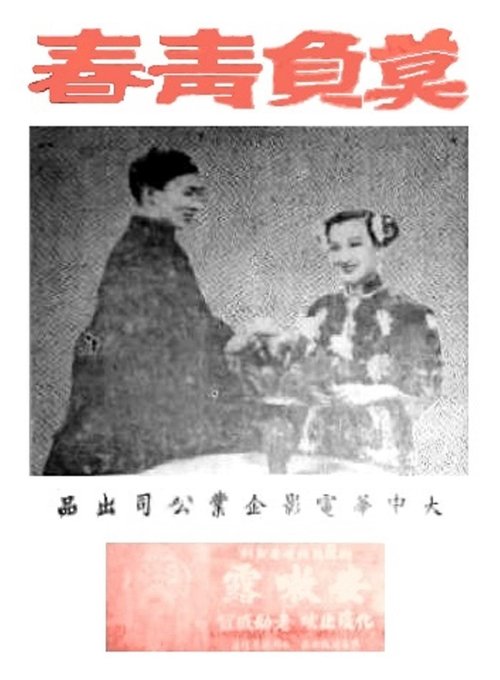
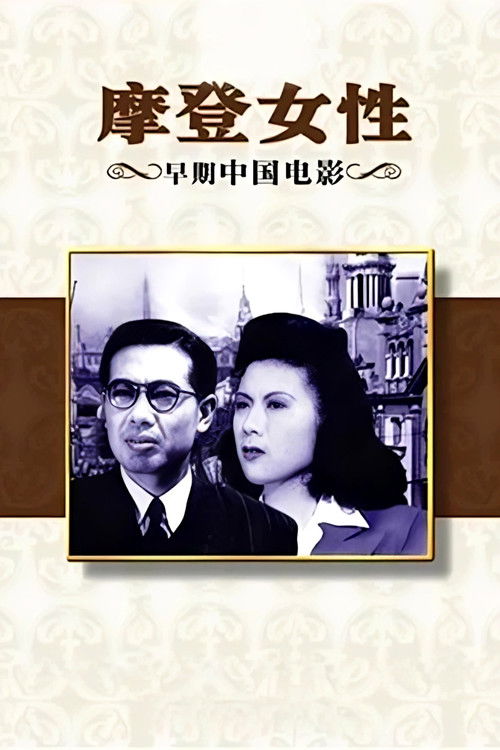
The Birth of Mankind, released in 1946, is the first movie featuring Bruce Lee, at age six, in a role.

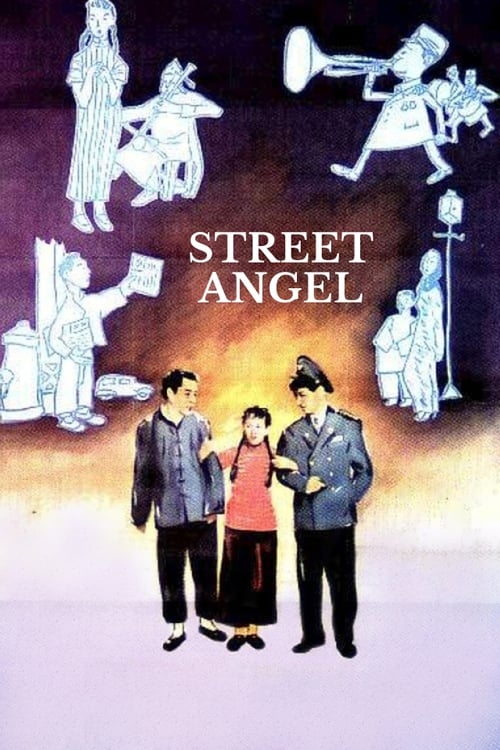
In old Shanghai, two sisters, a prostitute and a singer, try to escape from the local scoundrels with the help of a trumpet player and a newspaper seller.
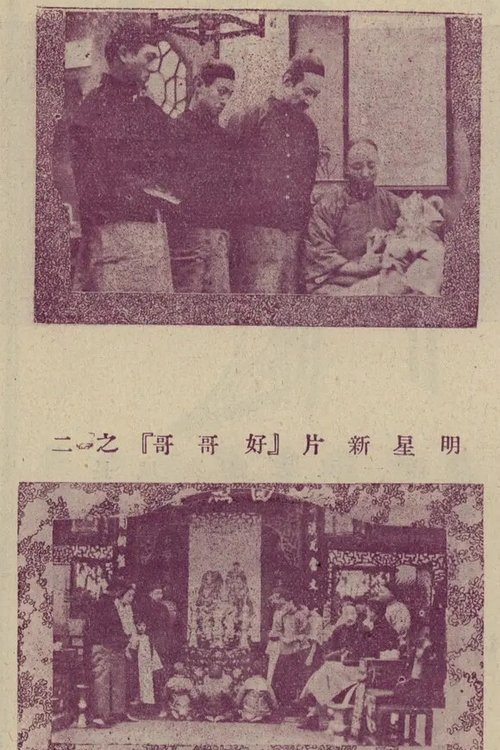
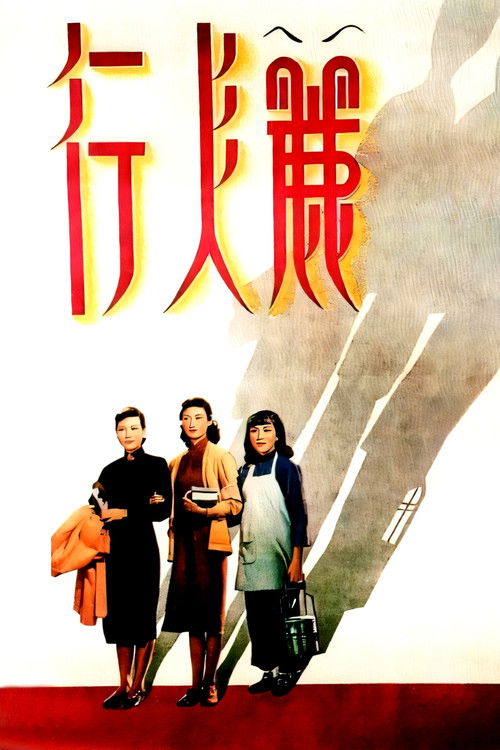
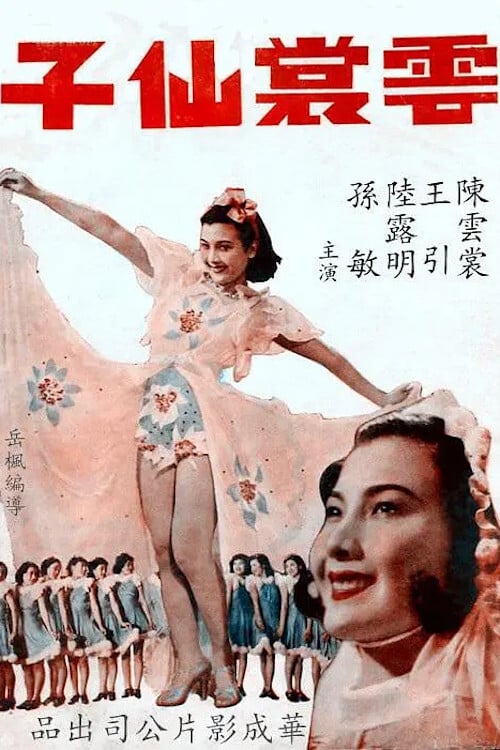
This is one of the rare gems in early Chinese musical films that still exists today. Nancy Chan plays a naïve young woman who can sing and dance. Under the arrangement of her stepfather, she becomes a star and indulges in the glitz and glamour of the entertainment world before getting married to a wealthy heir in Nanyang. Yet her husband is cruel and unfaithful, leading her to divorce and return to her parents in Shanghai. She is set for a comeback to the stage. Her young daughter suffers from a serious illness. A remake of the Bu Wanchang’s silent film The Light of Maternal Instinct (1933), this film takes cues from Hollywood musicals, resulting in an elegant and lively fusion of camera movement and musical numbers. The film also reflects the harsh reality of China in the 1930s and the pathos of popular literature by combining morals, entertainment and social commentary to show that changes in the idea of femininity is a symbol of progress.
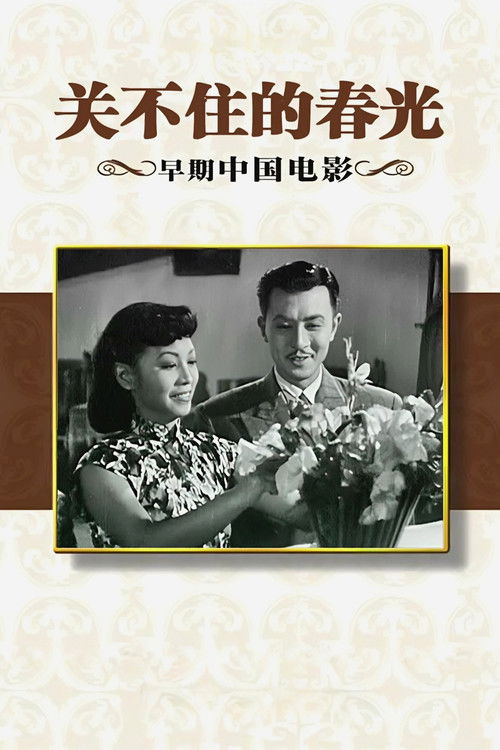
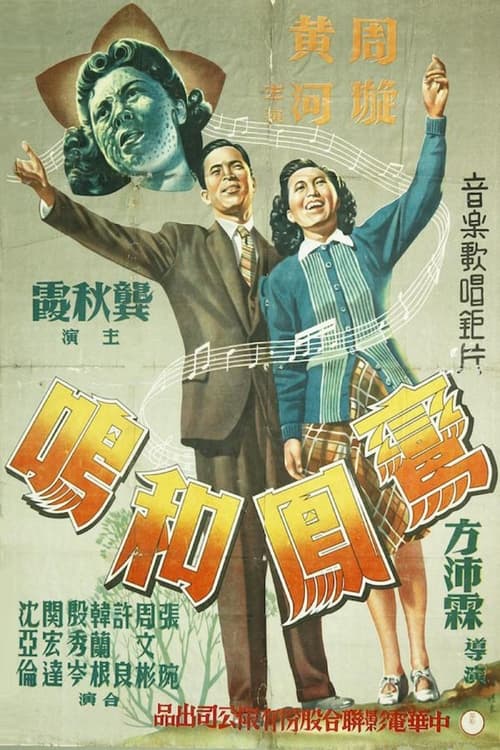
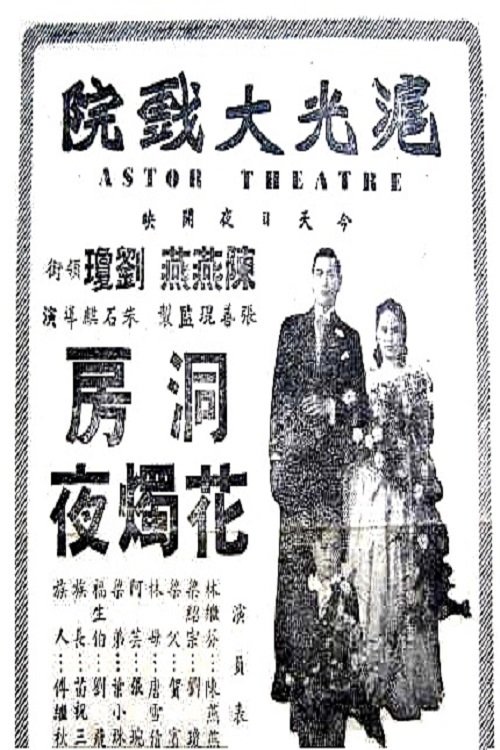

This tale of familial warfare and sacrifice takes place in hard-pressed Shanghai at the end of the 1940s. Hu Zhiqing can barely support his wife and children, and his situation is worsened by the unexpected arrival of his mother, brother and sister-in-law. When he is fired by his unscrupulous boss, the whole family becomes embroiled in one emotional/economic struggle after another.
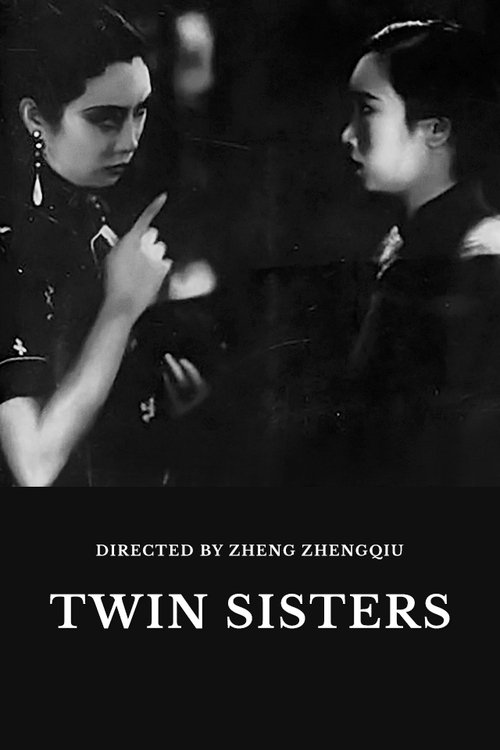
Twin girls separated at birth are reunited when the one raised in poverty becomes a servant in the household of her sister, now the pampered wife of a warlord general.
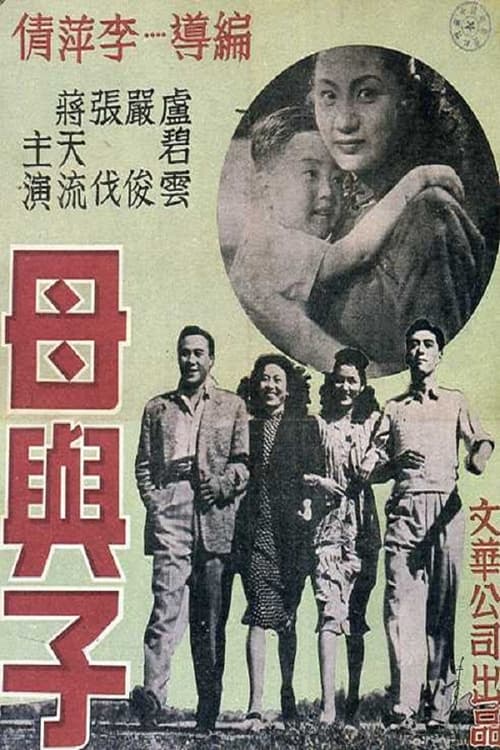
After falling in love with Han Liren and giving birth to an "illegitimate child", Han Liren abandoned her and married a rich girl and cheated her out of the child. Huang Su then left the country, changed her name to Lin Luping, and became an actress. Sixteen years later, Huang Su was so popular that she was invited to perform in Shanghai. The young actor she worked with, Han Chen, was withdrawn and hated everyone, and everyone discriminated against him because he was an abandoned "illegitimate child". On stage, Han Chen played Lin Luping's son and was very successful. Later Lin Luping finds out that he turns out to be her biological son who was cheated away by Han Liren years ago. At this point, the theater owner Han Liren appears and wishes to get back together with Lin Luping, but is rejected by Lin Luping's mother and son.
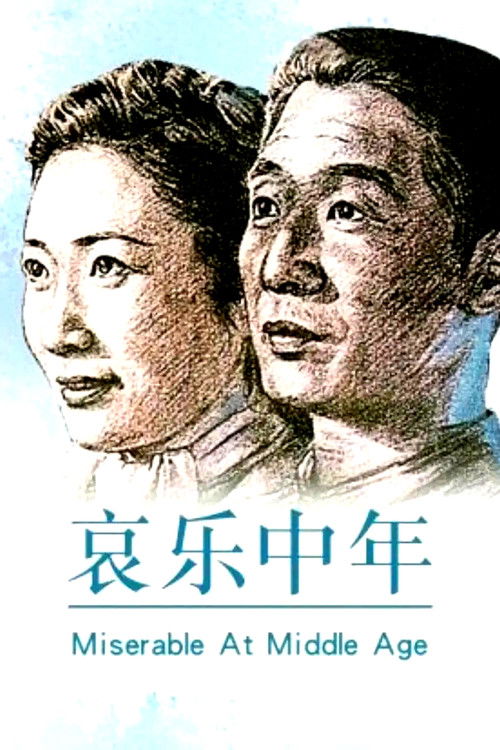
In pre-communism China, a widowed man falls in love with a young colleague who's the same age as his own children.
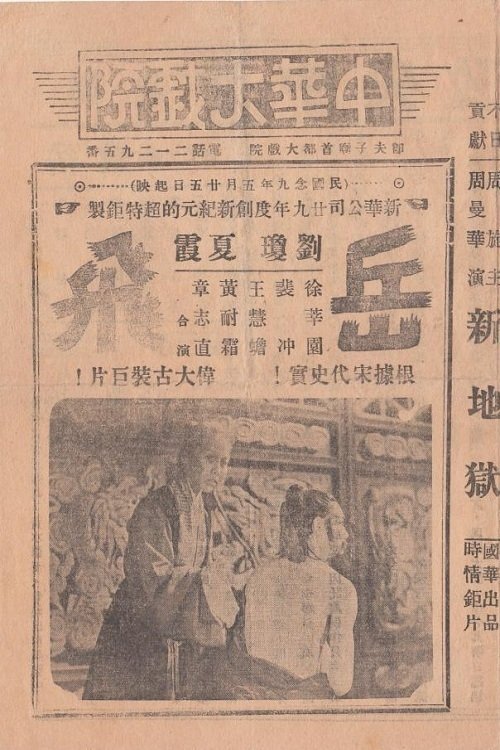
Based on the life of Yue Fei, a Chinese military general who lived during the Southern Song dynasty and considered a national hero of China.
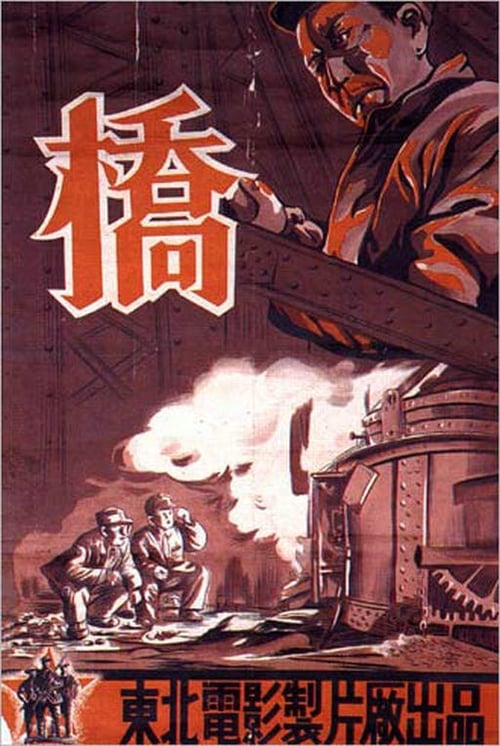
Factory workers in 1947 repair a bridge over Song Hua River so that Communist forces can use it.
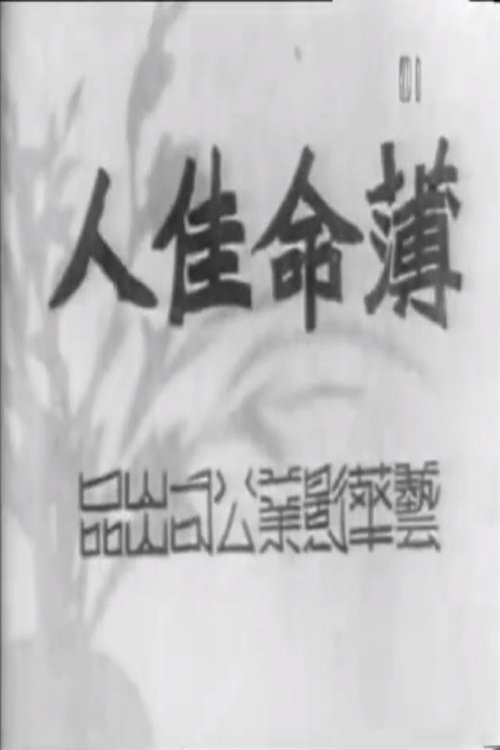
China's first song and dance film was "Poetry Written on the Banana Leaf" directed by Sun Yu and starring Wang Renmei in 1932. A battalion commander's lover, named Zhao Zhao, wrote a poem on a banana leaf in memory of the battalion commander. Just as she was about to mail it, she met people in the village holding the Autumn Tage Festival. Zhao Zhao decides to participate the festivities with her friends. Unexpectedly, the banana leaf was lost on the ground. Zhao Zhao rejects a man who tries to pursue her. Mad being rejected, the man picks up the lost banana leaf. He decides to write his own name to it, trying to deceive the battalion comrade that Zhao Zhao has cheated on him. The film is thought to be lost.
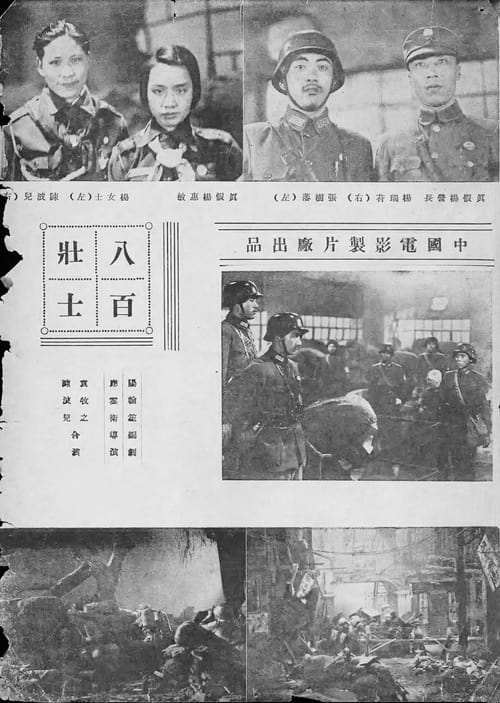
800 Chinese soldiers guard the important warehouse district against the invading Japanese Army. Re-imagination of a famous (bordering on legendary) episode from the battle of Shanghai: 800 soldiers of the 88th regiment against what feels like the whole of Japan’s Imperial Army - think Thermopylae, Chinese version. A splendid, visually amazing gem which, in its own way, is also a last stand: of silent cinema, Shanghai style. (iffr)
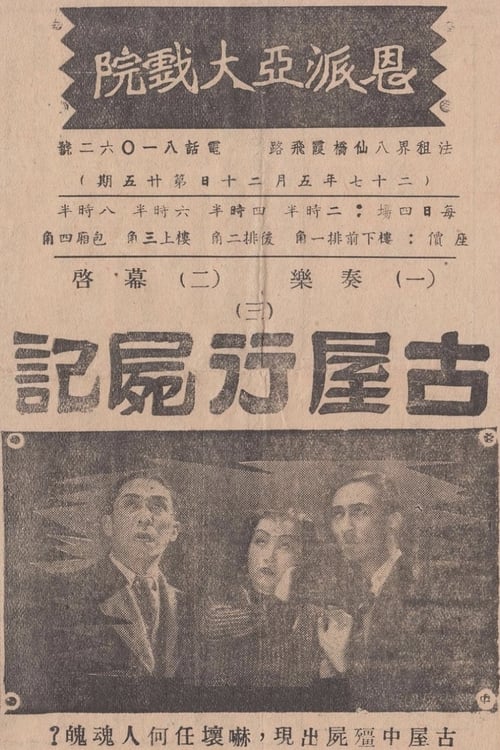
A zombie appears in the Bao family in Hangzhou, claiming to be the ancestor of the Bao family and asking the family to move out immediately. The family is confused and calls their children and grandchildren to discuss the matter. After the departure of the old family member, Feng Lao, the vampire has become even more aggressive, and the orphaned man, Yisheng, who has been taken in by the family, is scared to death by the vampire, so the three daughters, Peifen, write a letter to ask their friend, Zhuji Jianping, to come and help them. At the request of a man in black, the family moves out, leaving only Yat-sang and Cheung Tai-hon behind.
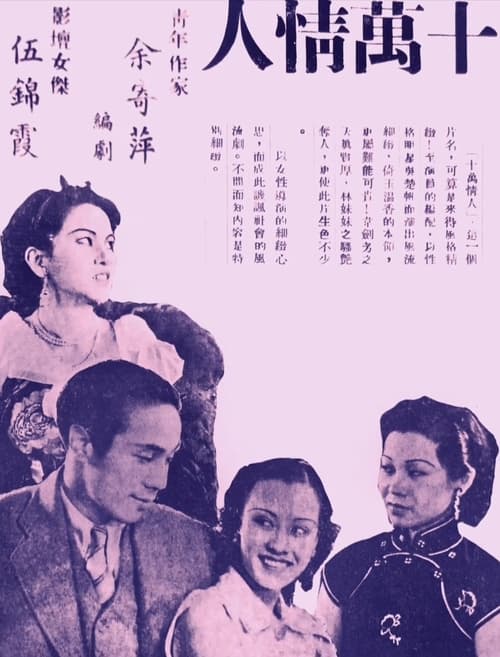
A rural employee leaves his wife and mother to seek work in the city.
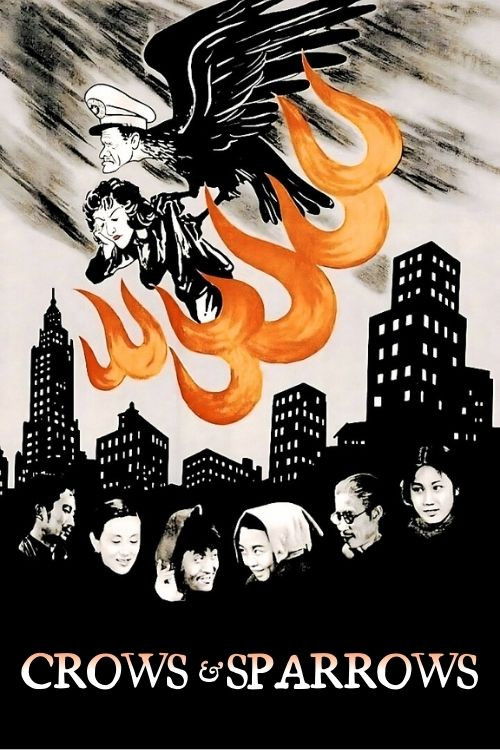
At a Shanghai apartment, Mr Hou, a Nationalist official, gets ready to move to Taiwan upon the imminent defeat of the KMT during the Civil War. Mrs Hou gives an ultimatum to the rest of the tenants to move out on behalf of her husband, who is the "owner" of the flat and who is now planning to sell it. From the conversations with the rest, we find out that Hou has been a Hanjian during the Sino-Japanese War and that he has since taken over the apartment by force from the old landlord, Mr Kong. The tenants, including Mr Kong, Mrs Xiao, Little Broadcast (alias Mr Xiao, played by Zhao Dan) and a schoolteacher, Mr Hua, and his wife, initially plan to band together, but circumstances force them to find other ways out. Mr Hua tries to find a place to stay at the KMT-sponsored school he is teaching in. Little Broadcast and Mrs Xiao invest in black market gold. As the situation escalates, Mr Hua gets arrested by KMT agents and his young daughter falls desperately ill.

During the Republic of China, a Beijing Opera actor named Wu Yuqin specializes in performing in female roles. He takes the stage name Qiu Haitang and is invited to dinner by an admiring warlord Yuan. He later meets Luo Xiangqi, a graduate of a female performance school. The two of them fall in love but it turns out that she is warlord Yuan's wife...

The story is about a fisherman's family living near to Shanghai. In the beginning, twin babies are born, a boy and a girl. Their growing-up is briefly sketched, and their friendship with "young master", a boy from rich family about their age.
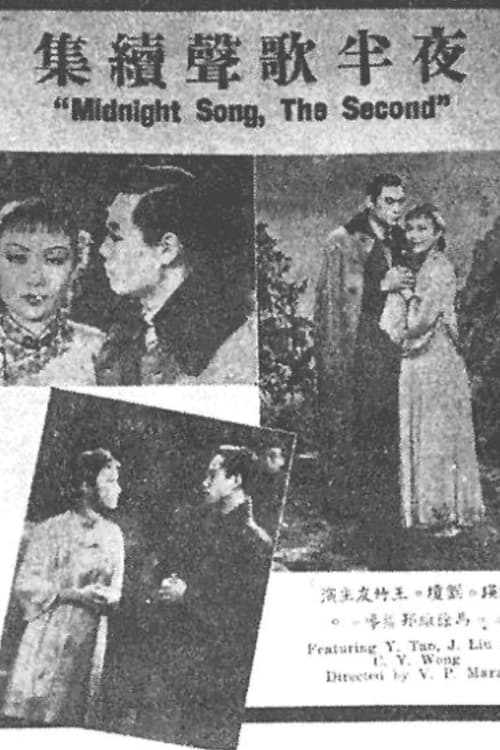
Jiang Danping arrives in a city at night, where often a mysterious man causes panic.