After being betrayed by her playboy lover, a heartbroken mute young woman joins a ballet company; during a performance of “The Dying Swan,” she enraptures a painter obsessed with portraying death genuinely.
The Dying Swan
6.4 1917
515 Matches Found
After being betrayed by her playboy lover, a heartbroken mute young woman joins a ballet company; during a performance of “The Dying Swan,” she enraptures a painter obsessed with portraying death genuinely.
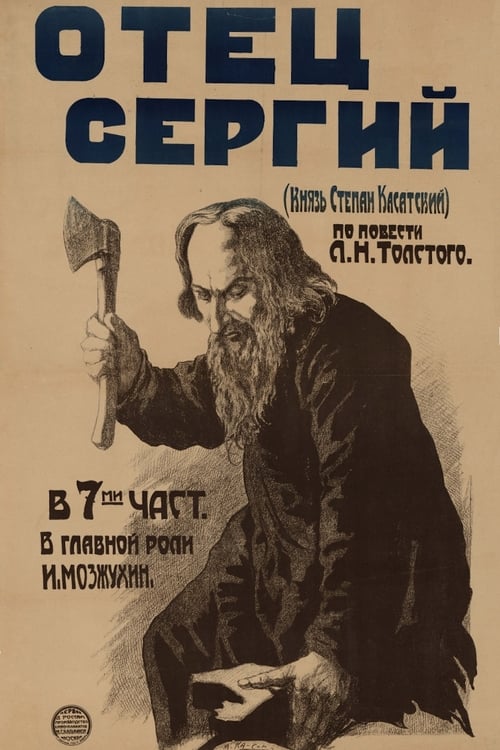
The story of Prince Stepán Kasátsky discovering his fiancée was the mistress of the Czar, so he then becomes a monk.

A chronicle of the Russian Revolution of 1917, from the bourgeois democratic February Revolution to the great socialist October Revolution and the final triumph.
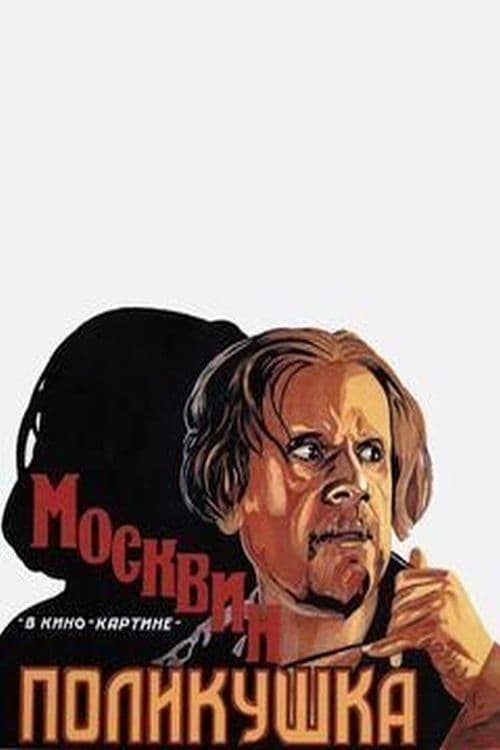
"Polikushka" was the only film directed by Aleksandr Sanin, one of Moscow Art Academic Theatre's founders, and is based on Lev Tolstoy's homonym short story. In spite the many differences between the literary oeuvre and its film adaptation it is a remarkable work that is outstanding for its depiction of the cruel realities of Russian society -the harsh life condition of its main character and his family in contrast to the wealth of his mistress;
Since Zoya Verenskaya's husband passed away ten years ago, she has been devoted to her daughter Lee. At present, Lee is in poor health, and she is in danger of losing her eyesight. Zoya's suitor Dmitry wants to get married, but Zoya is determined to wait until Lee is better. Then, on a vacation in the Crimea, they learn Lee's true feelings for Dmitry, and suddenly all of their lives are thrown into turmoil.

The epic story of the Russian Civil War (1918-21): the White Terror, the counterrevolutionary uprisings, the guerrilla war, the Kolchak front, the Wrangel front and the Kronstadt rebellion. Chaos and violence, devastation and death.

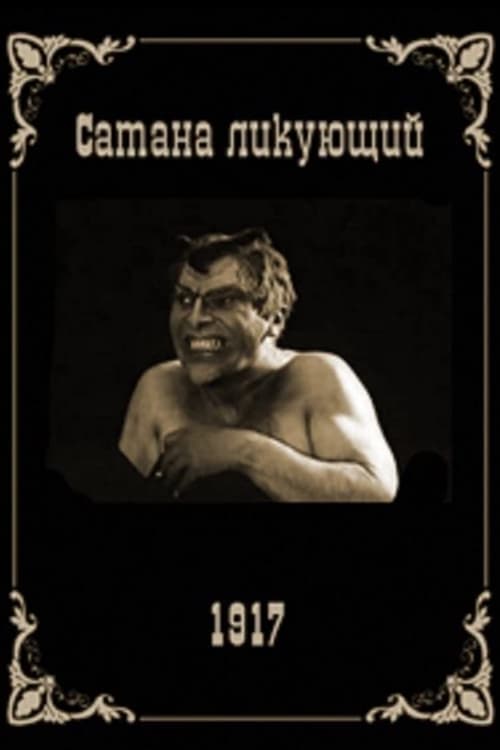
Pastor Talnoх furiously urges the flock to fight temptations, but he himself becomes a victim of temptation. In his house appears Satan, pushing the hero to theft and spiritual fall.
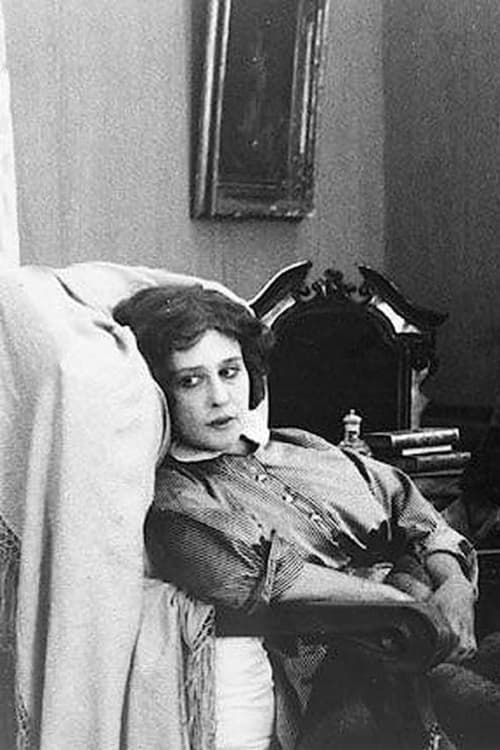
Based on the novel of the same name by Ivan Goncharov. Raisky falls in love with his second cousin Vera, but she coldly rejects his advances. He soon learns that Vera is having an affair with exiled official Mark Volokhov, with whom She is secretly dating. One day, Vera, in a fit of passion, gives herself to Volokhov, which she immediately regrets doing. Raisky and Tatyana Markovna suffer along with her having learned about Vera’s situation. Volokhov invites Vera to marry him but she refuses his proposal. After all these passions, calm comes and in the final frames of the picture, Raisky draws a portrait of Vera, and then sits down to write a long-planned novel.
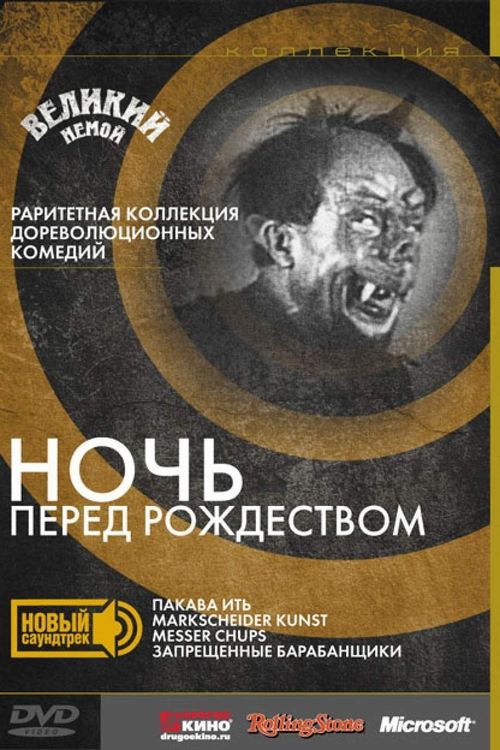
Based on Gogol's story. It is Christmas Eve, and the town witches’ son, a blacksmith, seeks an honest marriage to his love who wishes for a pair of shoes fit for the Tsarina. A mischievous devil is trapped into providing service to the smith.
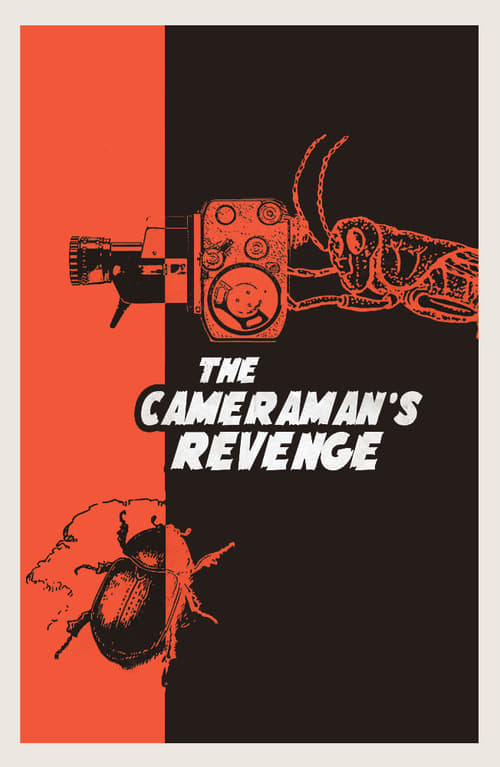
A jilted husband takes his revenge by filming his wife and her lover and showing the result at the local cinema. This was one of Starewicz' first animated films, and stars a cast of animated beetles.

A young man discovers the reason his new bride killed herself.

The film is based on the words of a song performed by Iza Kremer in Odessa.

Based on the story of the same name by I. S. Turgenev. The movie has not survived.
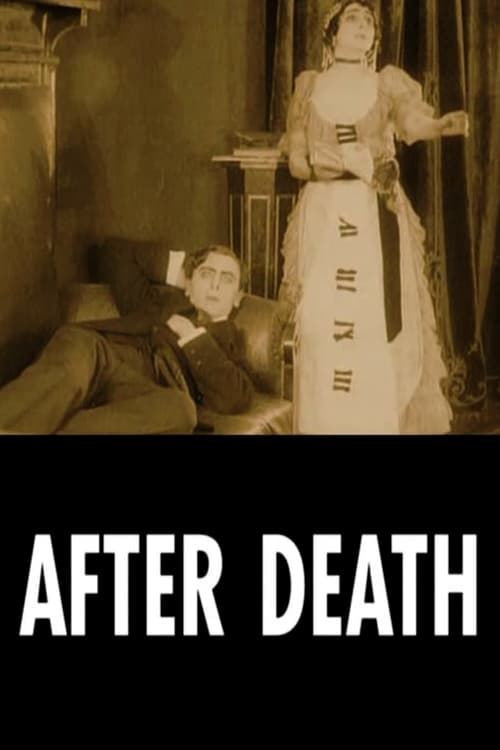
Young scholar Andrei, fascinated by haunting actress Zoia Kadmina, is surprised when she sends him a note. The two have a brief scheduled meeting, then three months later Andrei is shocked to learn she has died. He becomes obsessed with Zoia's memory and decides he must find out all that he can about her.
This newsreel documentary was shot by Lev Kuleshov in 1919, which once credited to Dziga Vertov. A fragment of this newsreel was shown in the documentary The Kuleshov Effect (1969), where Kuleshov talked about his early film work, claiming this short newsreel as his own work.
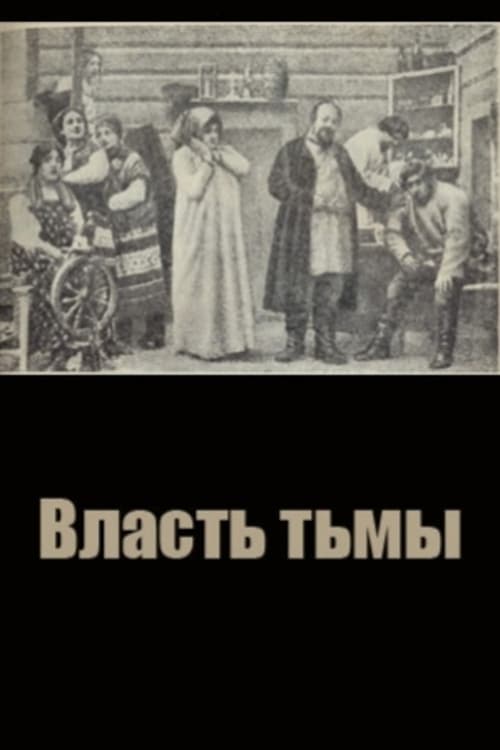
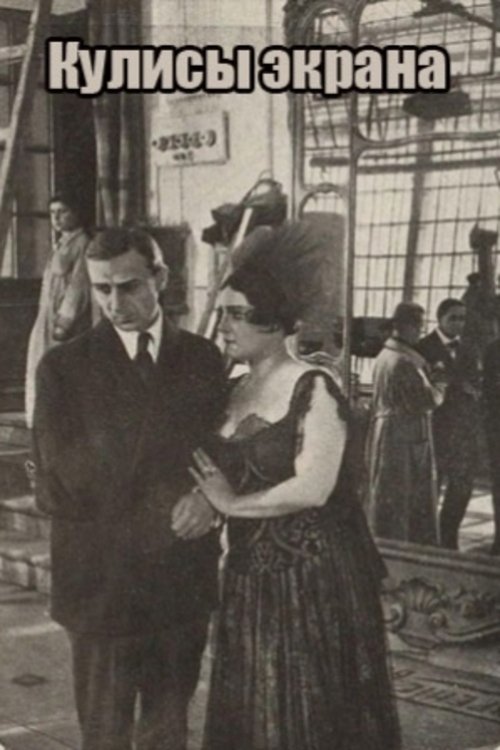
Famous Russian screen actors play themselves in this drama about the lives of actors. Thirteen minutes of the film survive.
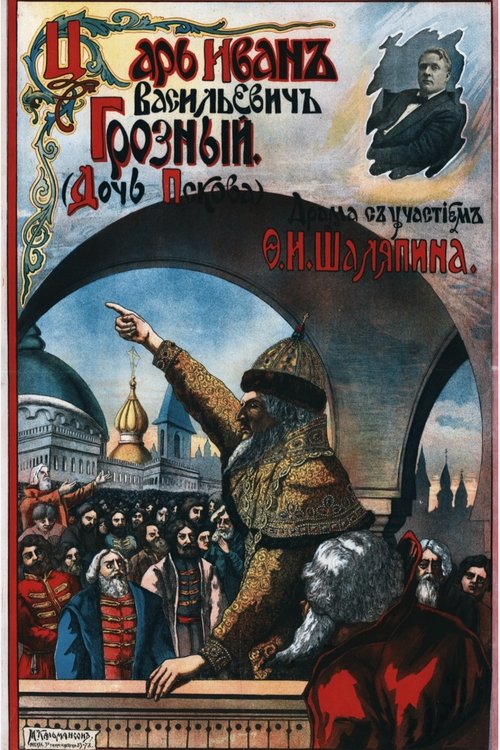
This film was a true peculiarity, a filmed version of the great Feodor Chaliapin in one of his most famous roles; the fact that it was a silent film, with title cards, meant that audiences could only appreciate his acting. Another curiosity is that the film also included a minor role enacted by Richard Boleslavsky, who in 1932 directed “Rasputin and the Empress.”(9)
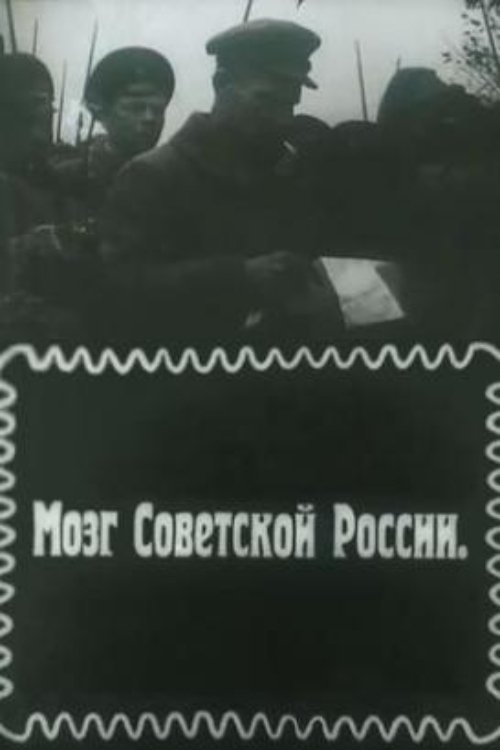
This film shows the leaders of organizations that emerged after the Russian Revolution. It is the fragment of ‘Anniversary of the Revolution’ made by Vertov in 1918.
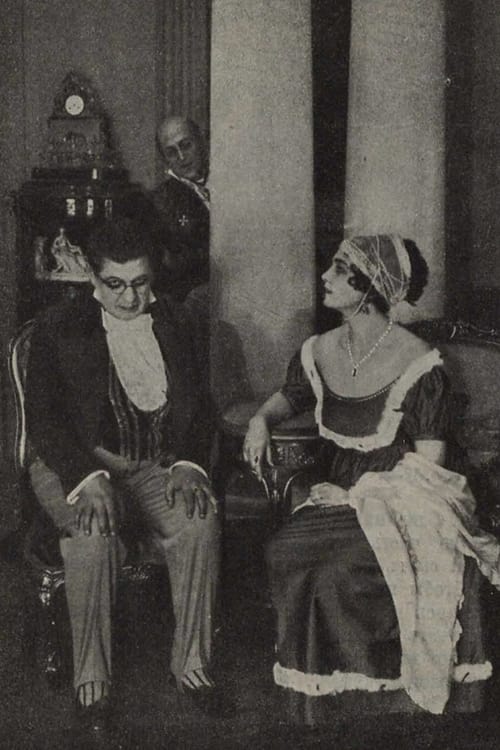
The love story of young Countess Natasha Rostova and Count Pierre Bezukhov is interwoven with the Great Patriotic War of 1812 against Napoleon's invading army.
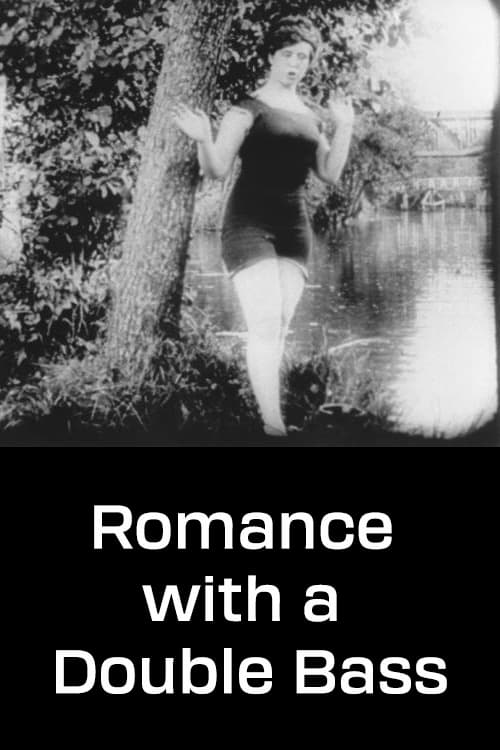
Princess Bibulova decides to go fishing along the river, while not far away, a musician leaves his two companions to go for a swim. Soon afterwards, the princess also goes swimming. While neither swimmer is looking, two thieves lurking on the riverbank steal their clothes, leaving the musician and the princess in a puzzling and embarrassing situation.

This large historical production was staged simultaneously with A. Khanzhonkov's painting "The Accession of the House of Romanov", but it was carried out on a larger scale; It ends with documentary footage of the coronation of Nicholas II.
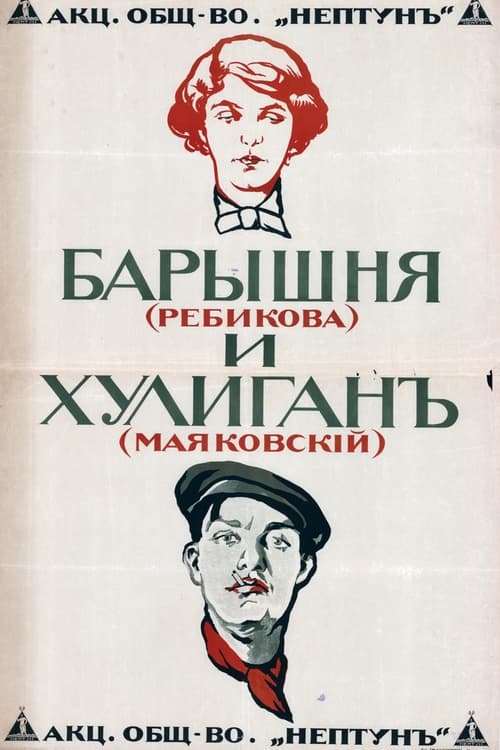
A young woman arrives in her school where she must teach for the first time. Her task consists in teaching a class of adults to read and write. All her students are male, ranging from boys to old men, and they are rather rowdy and difficult. All the more as a young hooligan dares write her on a test paper that he loves her. Feeling harassed by the young man, she is defended by other students. But she more or less feels the young bad boy's love is true and when this one is lying on his dying bed, after being stabbed by the other students, she solaces him by kissing him tenderly.

Based on the poem by Pushkin. A thief and his gang are at their camp next to the Volga River. He tells them of how his father died in a river, and how his brother and he were thrown out of the house as children by their step-mother…
One Kuleshov film that might be of great interest to scholars is The Breakthrough (Proryv, 1930). It was made in 48 hours. Naturally, such an unusual work did not stay in cinemas for a long time.

Based on the story by Pushkin. Pretty young Parasha is living with her widowed mother. Parasha diligently takes care of many household tasks, but she also enjoys flirting with the guards's officers who pass by her window, and she has one particular favourite. One day, Parasha's mother asks her to hire a cook, and to do so as cheaply as possible. Parasha and her beau soon see a way to use this situation to their own advantage.
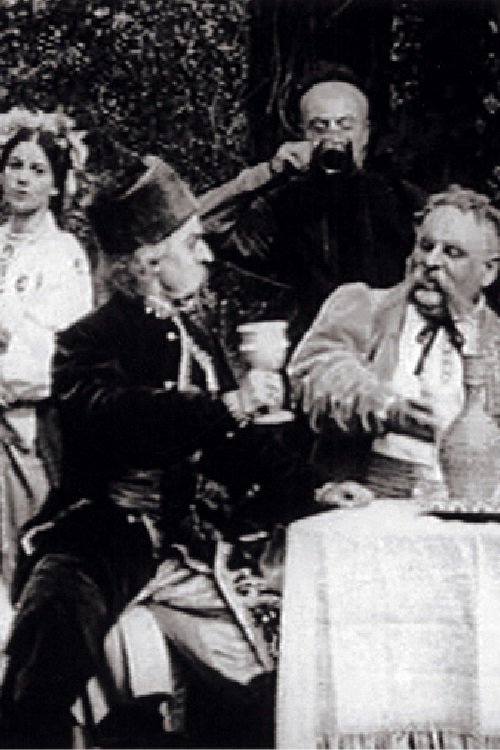
Mazepa, the Ukrainian governor is in love with his goddaughter Maria. He quickly wins her heart. But her old father treats the wooer harshly… Maria runs away. The furious father won’t submit. This intrigue makes the most of the ingredients of historical drama. Maria is confronted to the arbitrary; the young woman is in a dilemma between her love and her family. The tragic outcome is equal to her destiny.
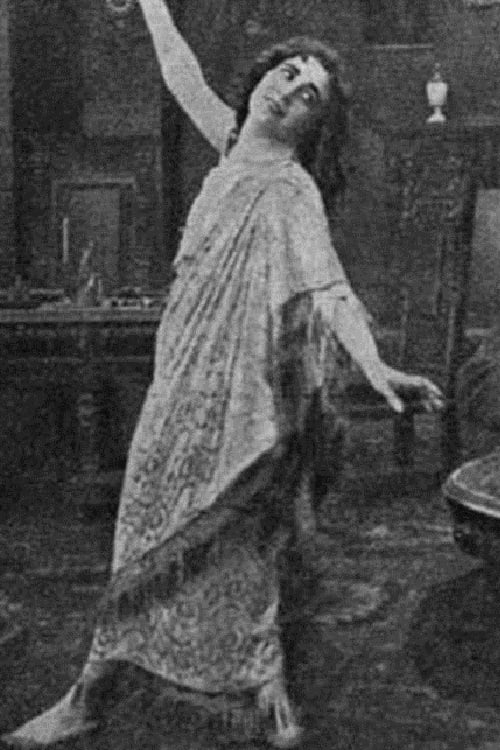
Directed by Vladimir Gardin and Yakov Protazanov, this two-part epic was the most expensive Russian film at the time and smashed box office records. It is now considered lost, with only a 4 minute clip surviving.
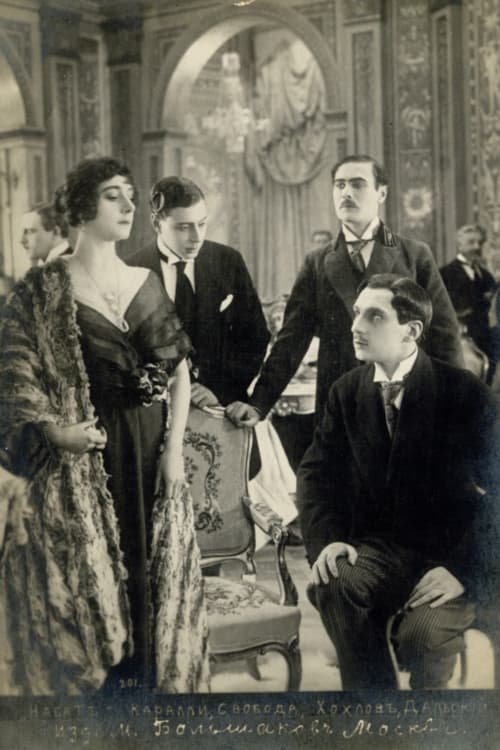

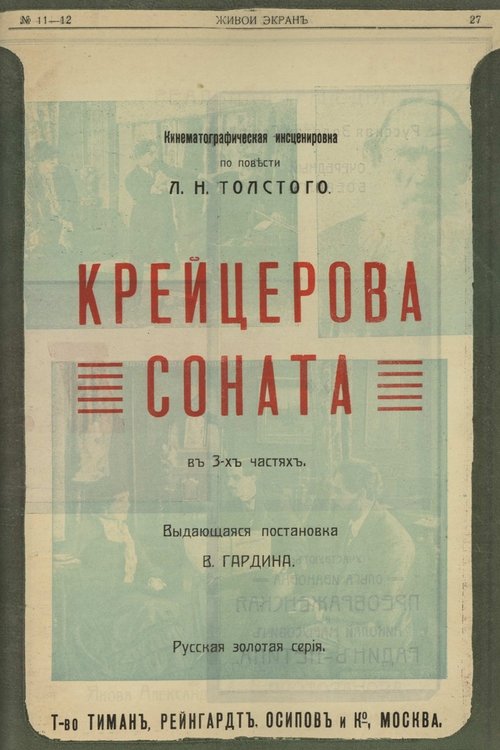
The Kreutzer Sonata is based on a novella by Leo Tolstoy, named after Beethoven's Kreutzer Sonata. The work is an argument for the ideal of sexual abstinence and an in-depth first-person description of jealous rage. The main character, Pozdnyshev, relates the events leading up to his killing his wife.

"Bread" - a Bolshevik propaganda tale about the fundaments of living.
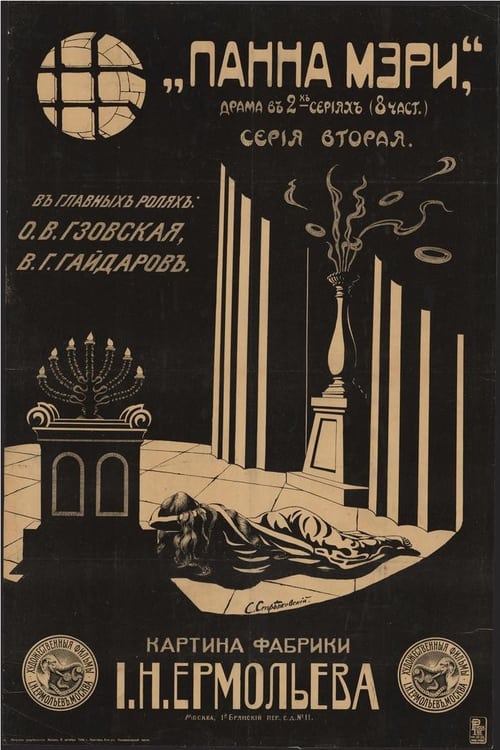
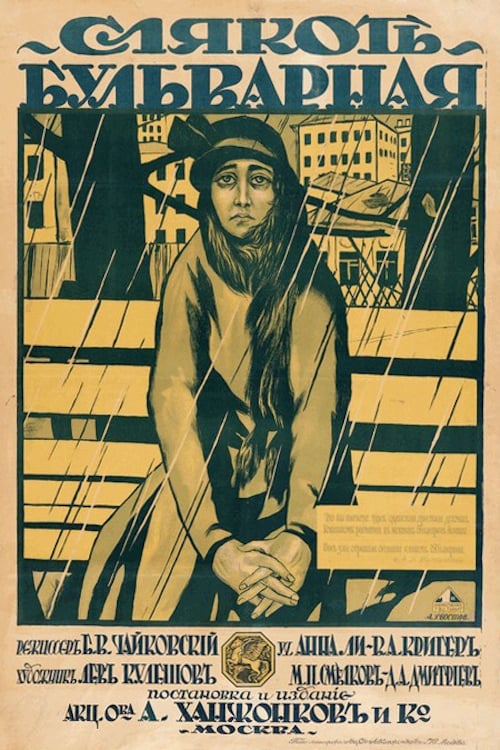
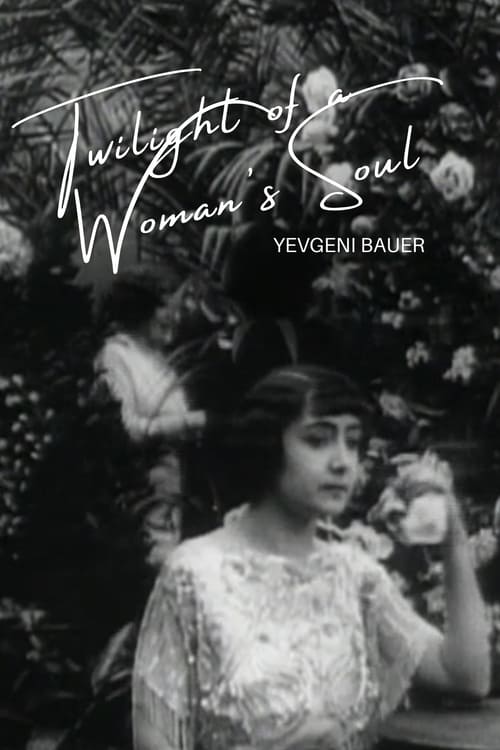
Despite living in luxury, Vera is lonely and discontented. When she accompanies her mother, the Countess, on a charity visit to the poor, she is troubled by what she sees, and she resolves to do whatever she can to help them…

The Kreutzer Sonata is a 1911 Russian silent film directed by Pyotr Chardynin. The film is considered lost.

Silent feature film by Olga Preobrazhenskaya and Vladimir Gardin based on Pushkin’s story of the same name. Considered lost. Directorial debut of Olga Preobrazhenskaya.
A romance in the upper-classes develops as the Bolshevik revolution is at hand.

The picture tells the story of Maria, a devoted wife of a bank employee. The couple has a cozy life; they have a baby but he is cared for by their maid so Maria can spend her time doing terrific things like going shopping. During one of these consumer afternoons, Maria meets by chance an old friend, Lidia, who will introduce her to exclusive idle class social circles. Soon Maria's beauty attracts the interest of Lebedev, a rich old libertine. From that point on Maria suffers continual sexual harassment (worthy of inclusion in any silent film encyclopedia article on beleaguered heroines) which she resists for a time. In the end, however, she falls into his bourgeois claws.

Ukrainian silent courtroom drama about the trial on charges of Menachem Mendel Beilis in the ritual murder of 12-year-old Andrey Yushchinsky. Menahem Mendel Beilis was a Ukrainian Jew accused of ritual murder in Kyiv, in the then Russian Empire, in a notorious 1913 trial, known as the Beilis trial or Beilis affair.
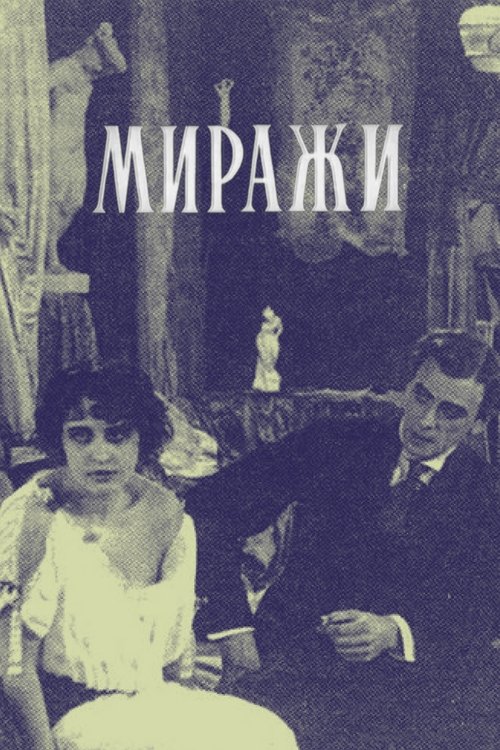
Marianna advertises for work as a reader and is employed by the reclusive millionaire Dymov. Appreciative of her sensitive, artistic nature, and of her youthful innocence and purity, Dymov is protective of Marianna and shields her from the attentions of his philandering playboy son. Marianna confesses to her fiancé Sergei that, at times, she feels deeply conflicted, drawn by the seductive lure of wealth and luxury. When her protector Dymov dies, his son begins to pursue her. Can Marianna resist her attraction to the opulent lifestyle that Dymov's son offers?
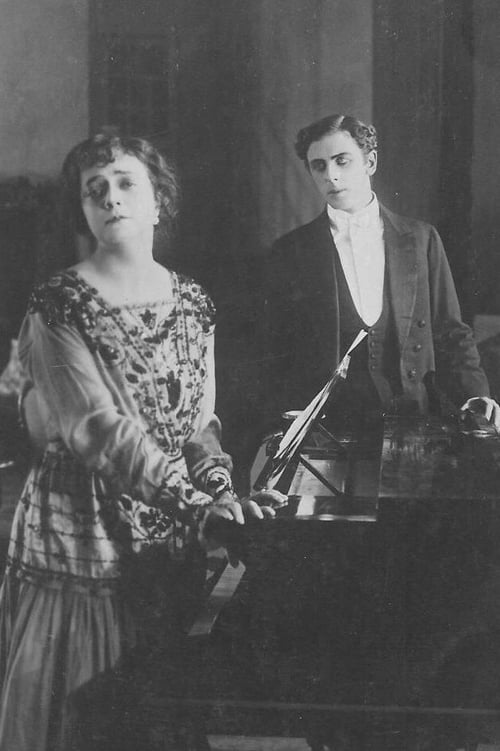
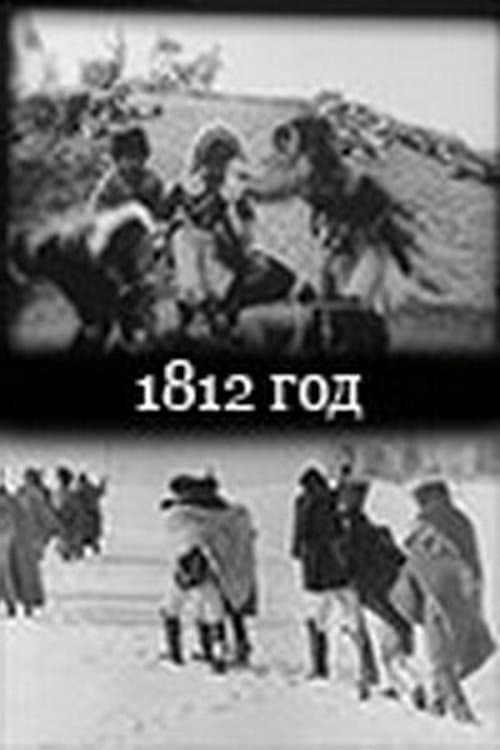
Made in 1912, this film has become known as one of the greatest pieces of pre-Soviet cinema. The silent film tells the story of the Patriotic war of 1812 when Napoleon attempted to invade Russia. This joint French and Russian film sparked major excitement in Moscow at its premier screening and continues to entertain audiences throughout the world today. The 32-minute silent film was the point of origin for some of the more advanced camera techniques used today. Sirotin of the Voice of Russia said that, “The film is interesting to spectators even today and is frequently shown both in Russia and abroad.”
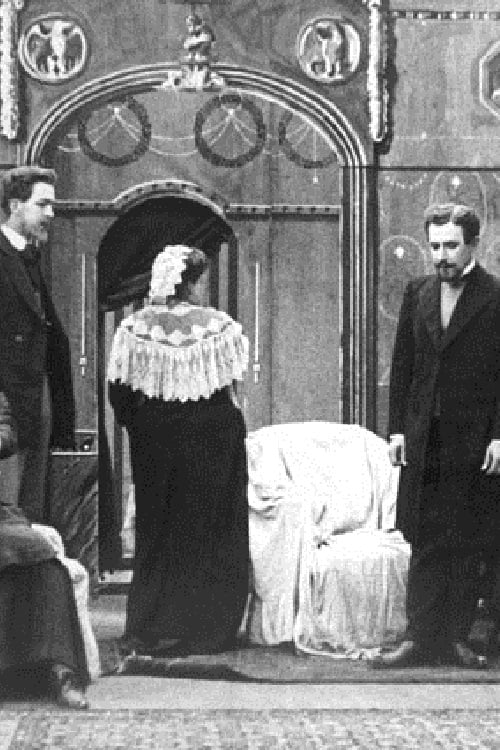
An adaptation of the Dostoyevsky novel.

While hosting a game of cards one night, Narumov tells his friends a story about his grandmother, a Countess. As a young woman, she had once incurred an enormous gambling debt, which she was able to erase by learning a secret that guaranteed that she could win by playing her cards in a certain order. One of Narumov's friends, German, has never gambled, but he is intrigued by the story about the Countess and her secret. He soon becomes obsessed with learning this secret from her, and he starts by courting her young ward Lizaveta, hoping to use her to gain access to the Countess.

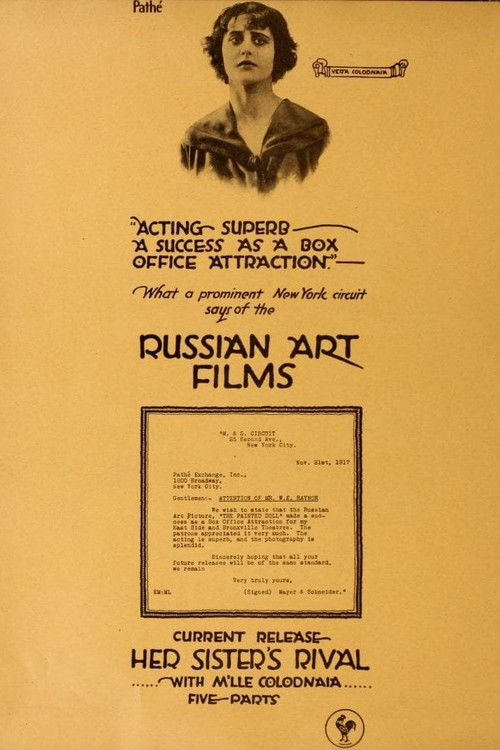
Wealthy Mrs. Khromova has a natural daughter, Musya, and an adopted daughter, Nata. The merchant Zhurov is in love with Nata, and hopes to marry her, but she is non-committal.
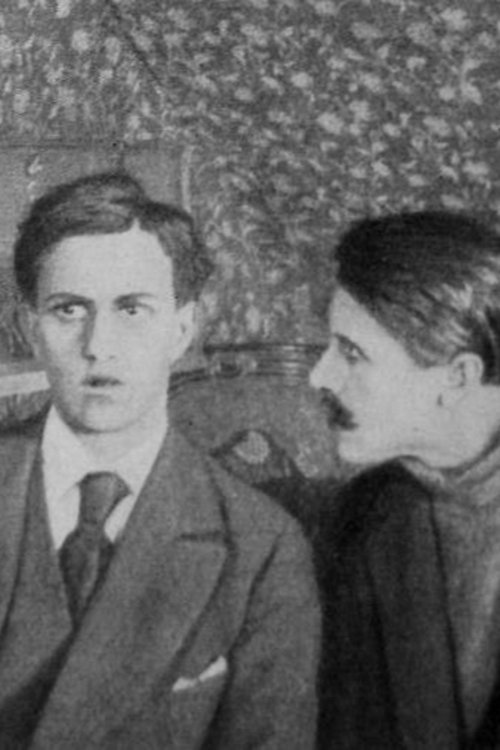
Propaganda film directed by Mikhail Narokov and Nikandr Turkin. Partially lost.
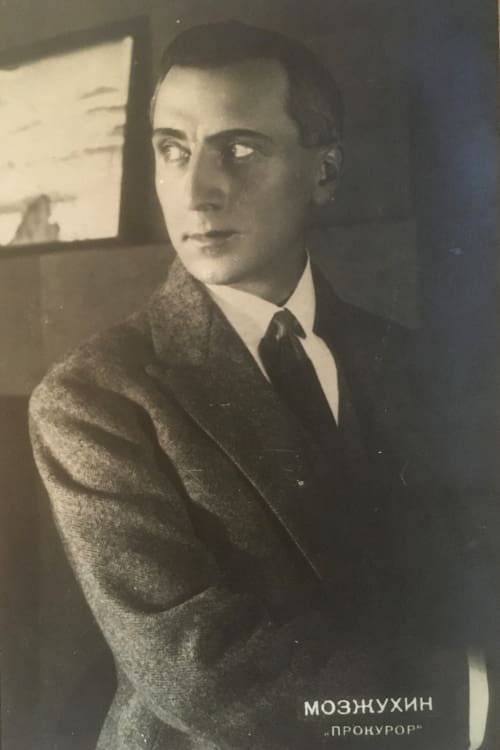
Prosecutor Olsen's lover, the singer-songwriter Betsy, leaves him for a new passion. And he, speaking in court as a prosecutor, remains deaf to the dictates of feelings, a ruthless servant of the harsh Law. Some time later, Betsy kills her new lover in a fit of jealousy; Olsen, who retained his feelings, nevertheless becomes her accuser at the trial. He seeks the condemnation of Betsy, but comes to the realization that he lived unrighteously, allowing himself to be judged, becoming a servant of Themis. Exit in the classic tradition of the great mute: Olsen commits suicide.
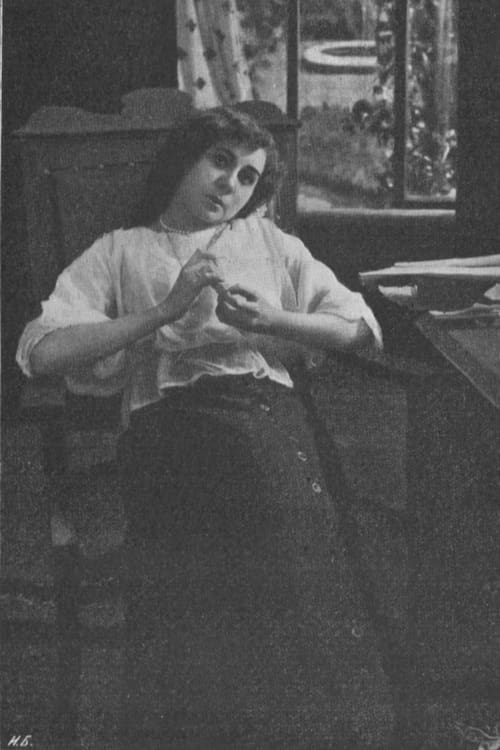
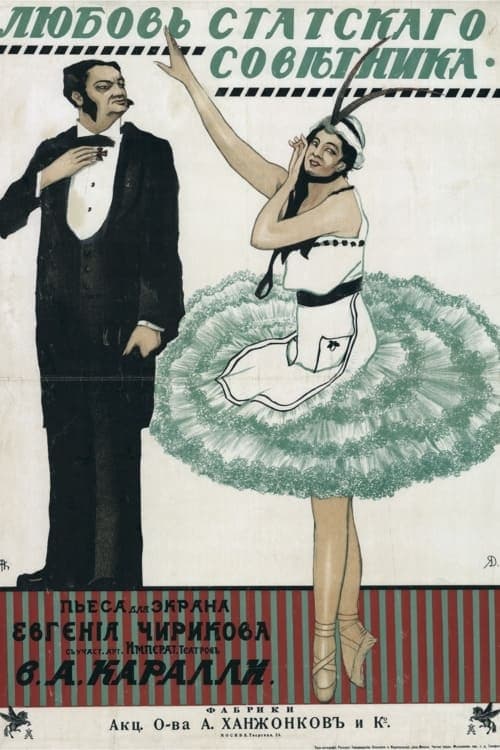
Silent film from 1915 which draws on the story of Carmen

This film records the vast public response to the early death of Vera Kholodnaya, the first star of Russian cinema.

First film ever that was shot by two cameras. Set in 1854-1855, in Sevastopol and Yalta during the Crimean War. Admirals Kornilov (Mozzhukhin) and Nakhimov (Gromov) organize the defense during the siege of Sevastopol. Both admirals are killed during the battle, and the city of Sevastopol is taken by the alliance of British, French, Sardinian, and Turkish troops. The legendary feat of Sailor Koshka (Semenov) was staged at original location. The 100 minute-long film was premiered in 1911 at the Livadia, Yalta, palace for the Tsar Nicholas II.
Based on the poem of the same name by Alexander Pushkin.
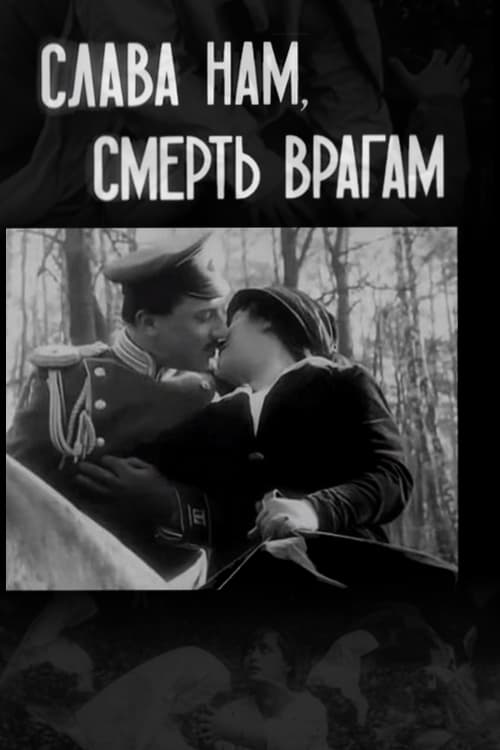
This 1914 drama set in the WWI-era relates a heroic act carried out by a war nurse for the Red Cross (Dora Tschitorina) who has witnessed the death of her husband (Ivan Mosjoukine).