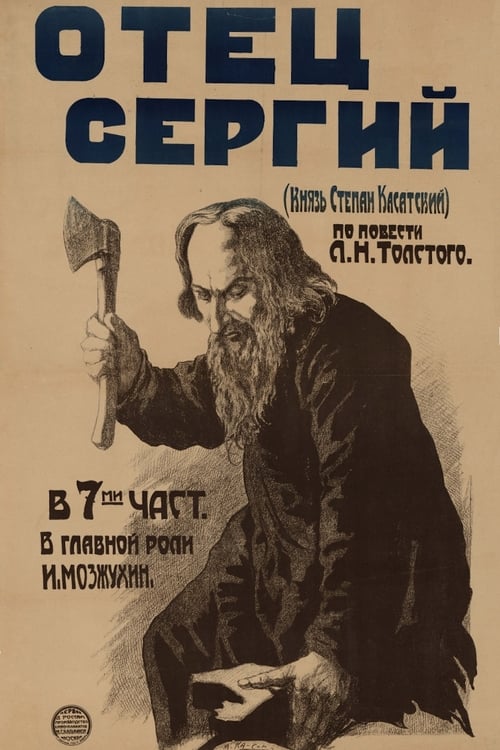
The story of Prince Stepán Kasátsky discovering his fiancée was the mistress of the Czar, so he then becomes a monk.
Father Sergius
5.3 1918
42 Matches Found
The story of Prince Stepán Kasátsky discovering his fiancée was the mistress of the Czar, so he then becomes a monk.
A chronicle of the Russian Revolution of 1917, from the bourgeois democratic February Revolution to the great socialist October Revolution and the final triumph.
The epic story of the Russian Civil War (1918-21): the White Terror, the counterrevolutionary uprisings, the guerrilla war, the Kolchak front, the Wrangel front and the Kronstadt rebellion. Chaos and violence, devastation and death.
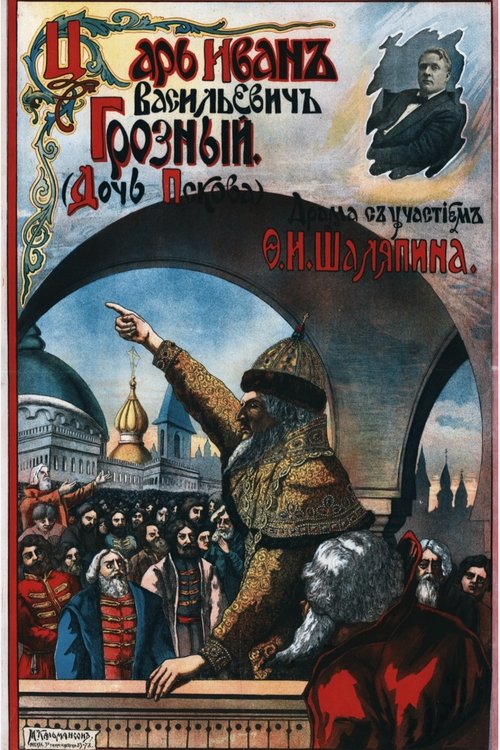
This film was a true peculiarity, a filmed version of the great Feodor Chaliapin in one of his most famous roles; the fact that it was a silent film, with title cards, meant that audiences could only appreciate his acting. Another curiosity is that the film also included a minor role enacted by Richard Boleslavsky, who in 1932 directed “Rasputin and the Empress.”(9)
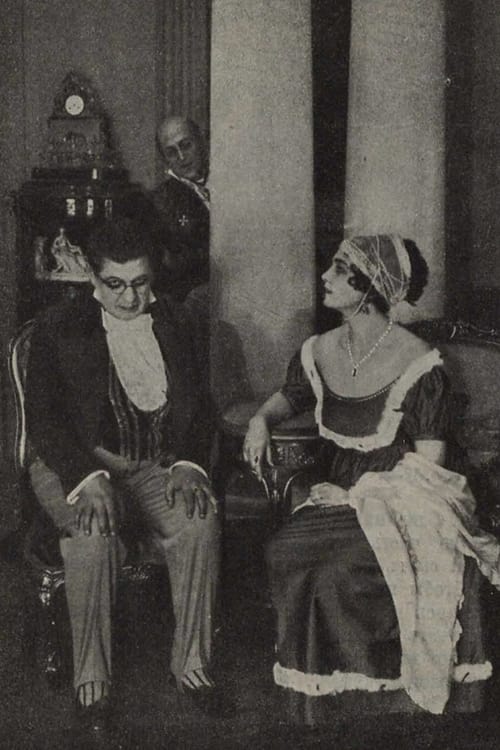
The love story of young Countess Natasha Rostova and Count Pierre Bezukhov is interwoven with the Great Patriotic War of 1812 against Napoleon's invading army.

This large historical production was staged simultaneously with A. Khanzhonkov's painting "The Accession of the House of Romanov", but it was carried out on a larger scale; It ends with documentary footage of the coronation of Nicholas II.
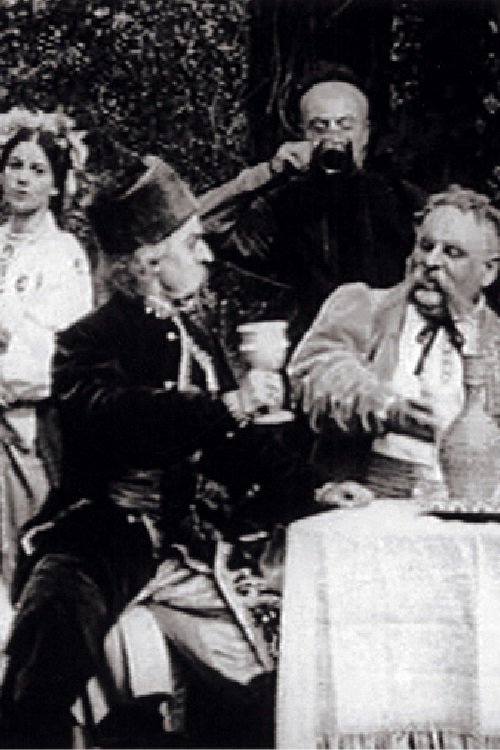
Mazepa, the Ukrainian governor is in love with his goddaughter Maria. He quickly wins her heart. But her old father treats the wooer harshly… Maria runs away. The furious father won’t submit. This intrigue makes the most of the ingredients of historical drama. Maria is confronted to the arbitrary; the young woman is in a dilemma between her love and her family. The tragic outcome is equal to her destiny.
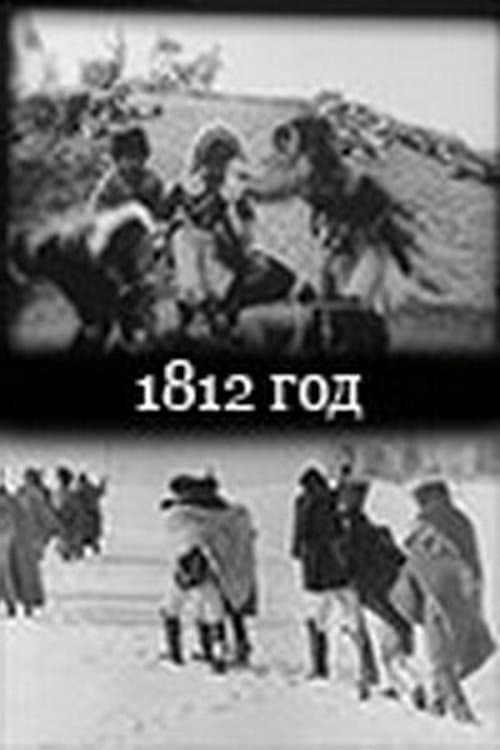
Made in 1912, this film has become known as one of the greatest pieces of pre-Soviet cinema. The silent film tells the story of the Patriotic war of 1812 when Napoleon attempted to invade Russia. This joint French and Russian film sparked major excitement in Moscow at its premier screening and continues to entertain audiences throughout the world today. The 32-minute silent film was the point of origin for some of the more advanced camera techniques used today. Sirotin of the Voice of Russia said that, “The film is interesting to spectators even today and is frequently shown both in Russia and abroad.”

Nine scenes based on the stories about Dmitry Donskoy, the hero of the Battle of Kulikovo. The content of the painting is uncomplicated: several Tatars attack the house of a peasant near Moscow, kill his son and take his daughter away with them, and the old man father goes on foot to the Grand Duke to ask for help. Without wasting time, Dmitry and his soldiers rush to avenge the offended.
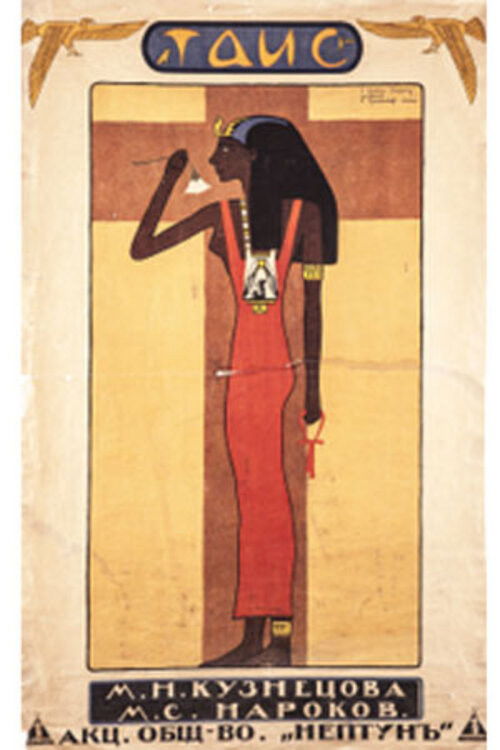

Short film based on a poem by Julius Slovacki.
The life and death of Alexander Pushkin is summarised in a 5-minute sequence of half-a-dozen scenes. The film's subtitles are in Russian.
One of a series of short Bolshevik films, Comrade Abram focuses on Abram Hersh, a young Jewish pogrom survivor who became a factory worker and organizer in Moscow and eventually rose to leadership in the Red Army. This short film emphasizes Hersh's suffering and heroism as both worker and Jew, and promotes solidarity over anti-semitism.
A dramatization of a wedding in 16th-century Russia, between members of two prominent boyar families (based on paintings by Konstantin Makovskii): Three matchmakers first visit the family of the prospective bride, and then do the same with the prospective bridegroom's family. Later, as the time of the wedding draws near, the bride is dressed with great formality and prepared for the ceremony, as the guests get ready to celebrate the upcoming wedding.
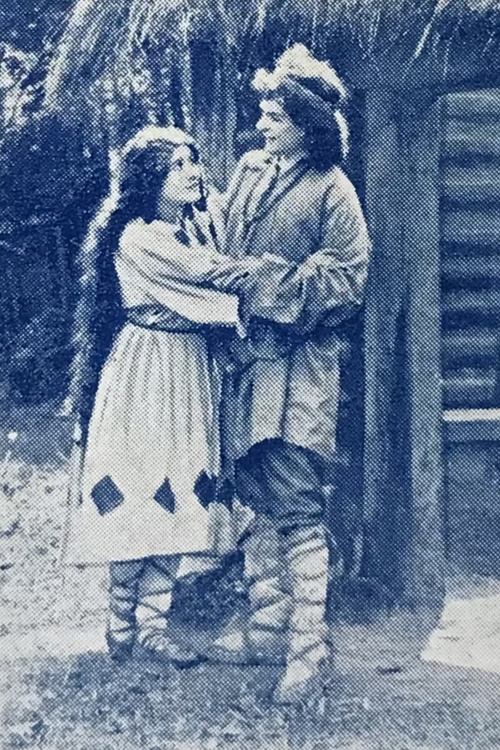

Based on the plot of L. Mey's play "The Pskovite Woman". A poetic legend about the arrival of Tsar Ivan the Terrible and his oprichniki in Pskov. Having destroyed Novgorod, the tsar moved to free Pskov, the city was waiting for the same fate. But the city was not ruined - the Terrible met in Pskov his illegitimate daughter Olga, whose existence he did not even suspect.
This film consists of a single dramatized scene from Pushkin's play of the same name.
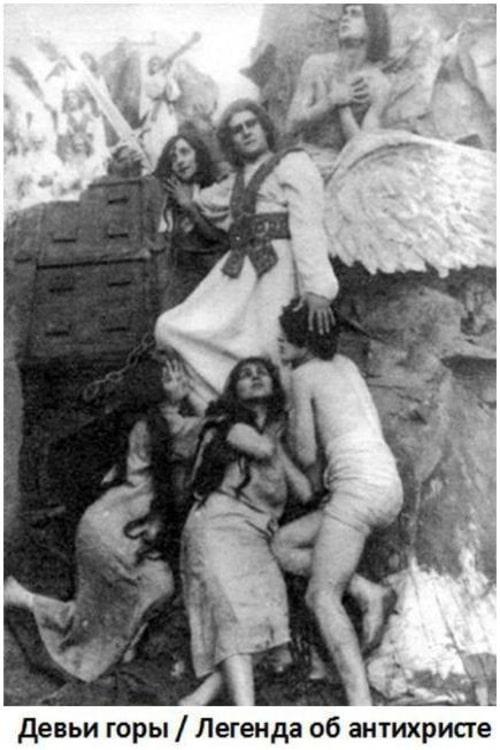
The film tells the story of Judas and Satan wandering the world in search of a virgin who could become the mother of the new Evil.
Scenes from everyday life based on folk song. Made while filming "Conquest of the Caucasus".
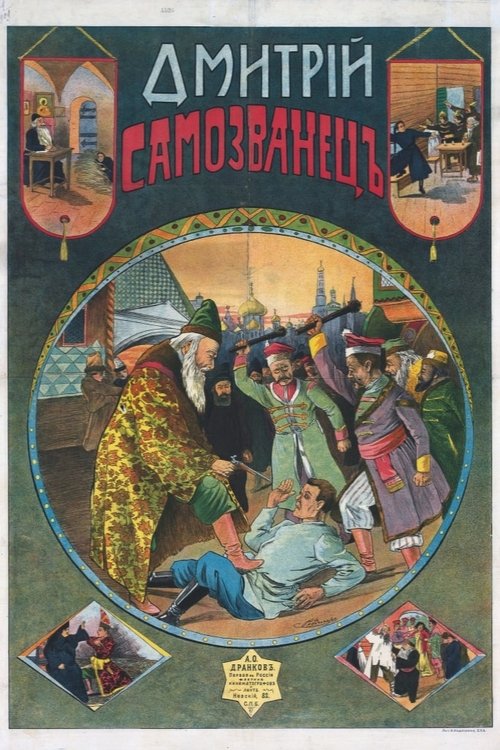
Lost silent film, known to be the very first film adaptation of Alexander Pushkin's tragedy of the same name, dealing with the last years of the Tsar's reign and the pretender Grigory (the false Dmitriy).

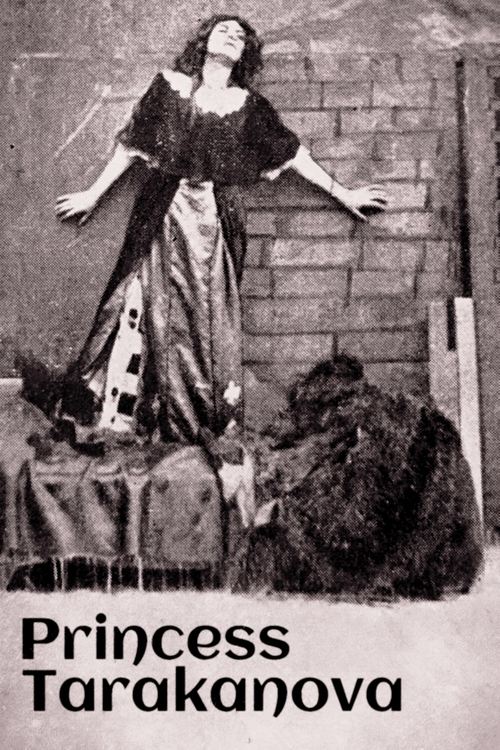
Russia, 1775. Count Orlov writes a letter to Empress Catherine II the Great in which he denounces Princess Tarakanova as a traitor and pretender to the throne.
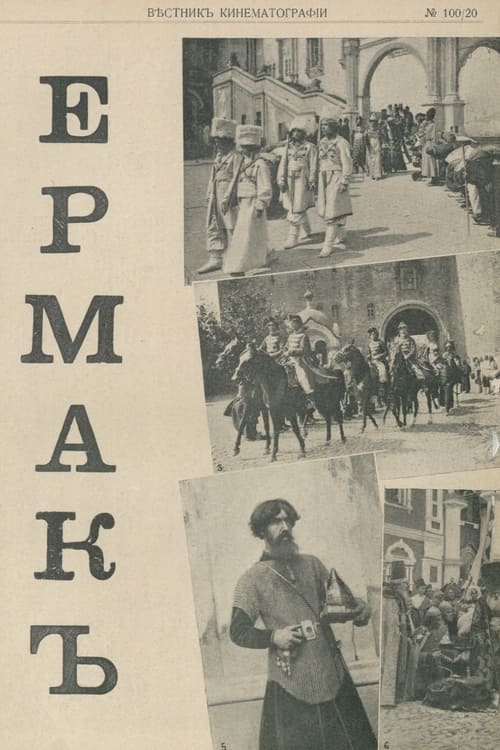

Based on Aleksey Tolstoy's piece of the same name.

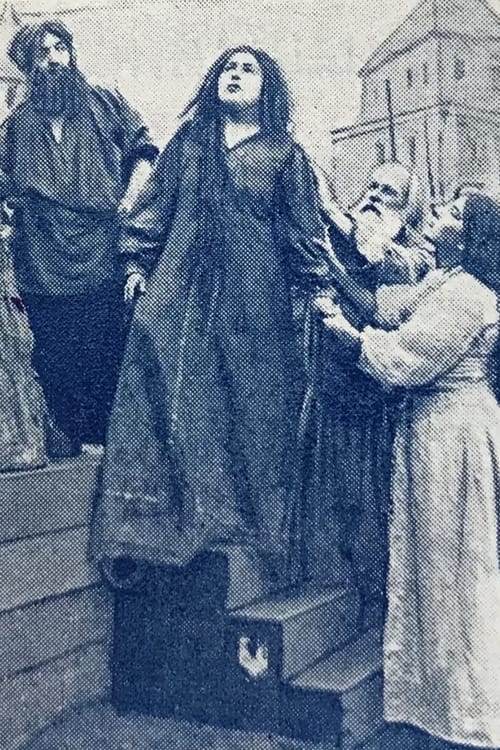
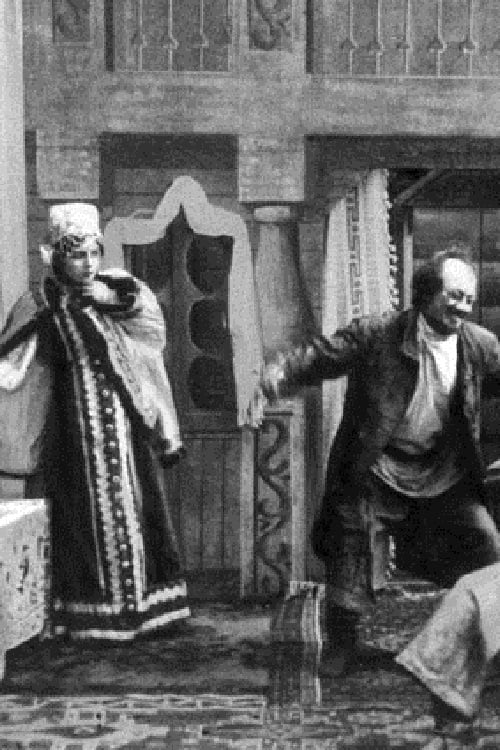
Based on Lermontov's poem of the same name, Boyar Orsha (Peter Chardynin) leaves the service of Ivan the Terrible.
Based on the novel of the same name by A.K.Tolstoy. The movie is preserved without inscriptions.
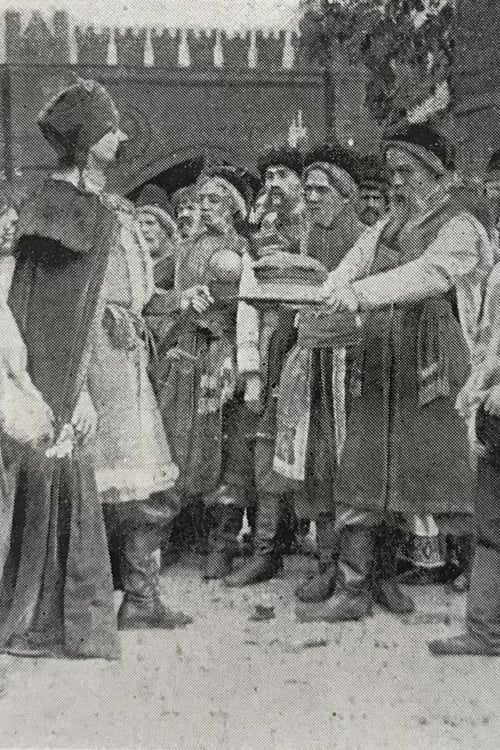
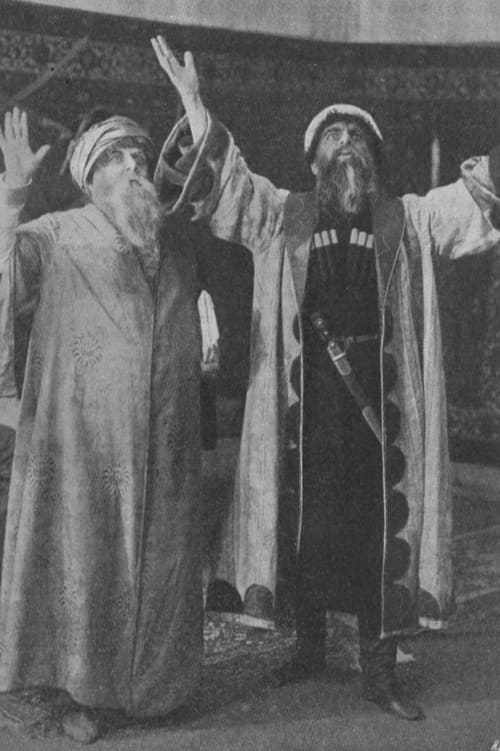
The big military history film was made at the same time as Drankov's film, which caused some conflict.
Based on the drama by Dmitry Averkiev. The reign of Tsar Ivan Vasilyevich the Terrible. Boyar Vorotynsky loudly expresses his indignation at the untruth. Many agree with the boyar in their hearts, only Malyuta hates him and dreams of revenge. Having whispered to Grozny about Vorotynsky, he receives an order to arrest him.

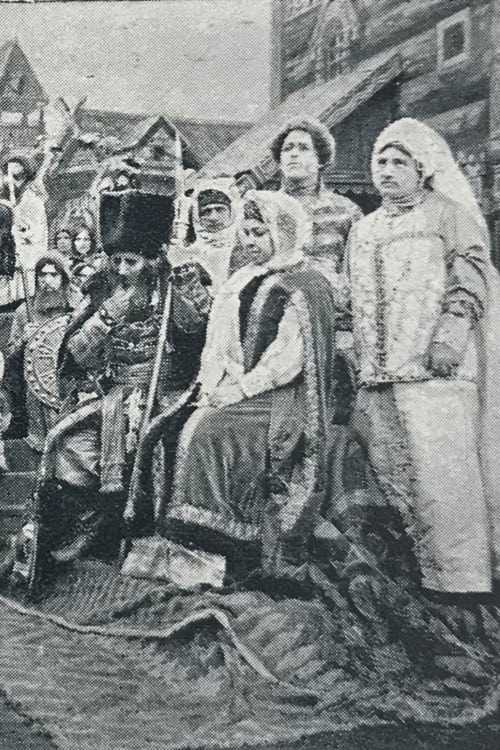
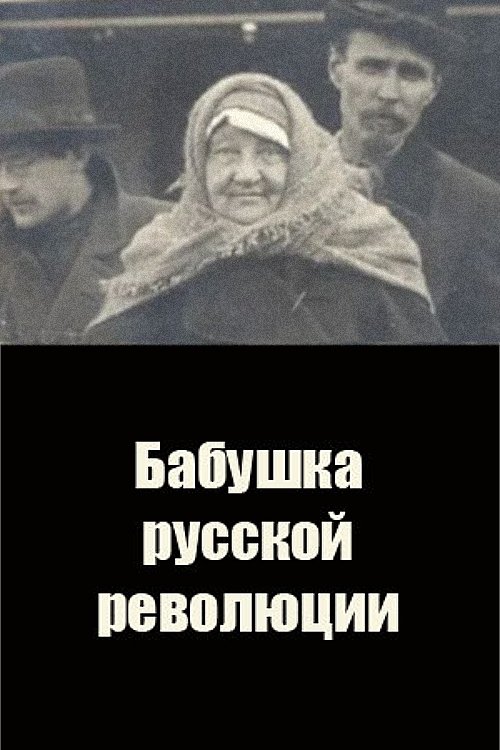
Film biography of a prominent nationalist, and then Socialist E.K.Breshko-Breshkovskaya.
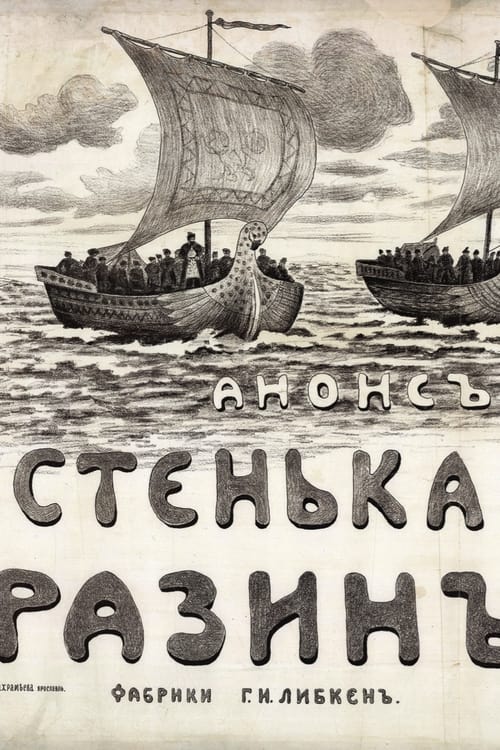
The film depicted the revolutionary events of 1917 and included some documentary footage. The film has not survived.
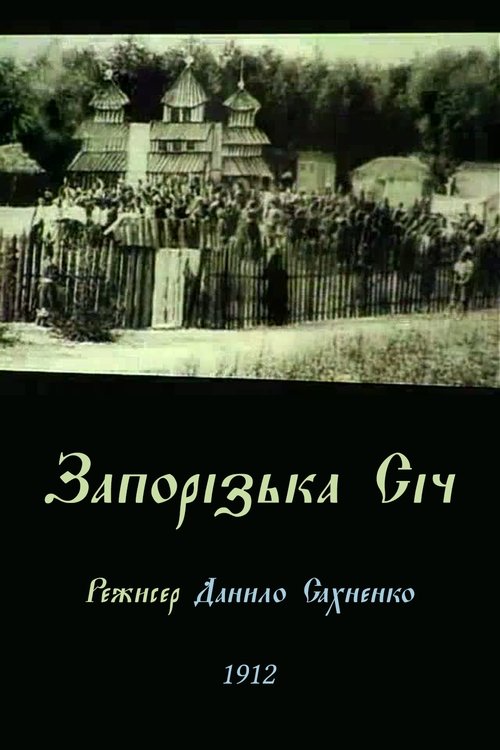
The first Ukrainian feature film. Considered lost.

A film capturing Russian Emperor Nicholas II visit to Riga. Considered to be the first film shot in the territory of Latvia.